


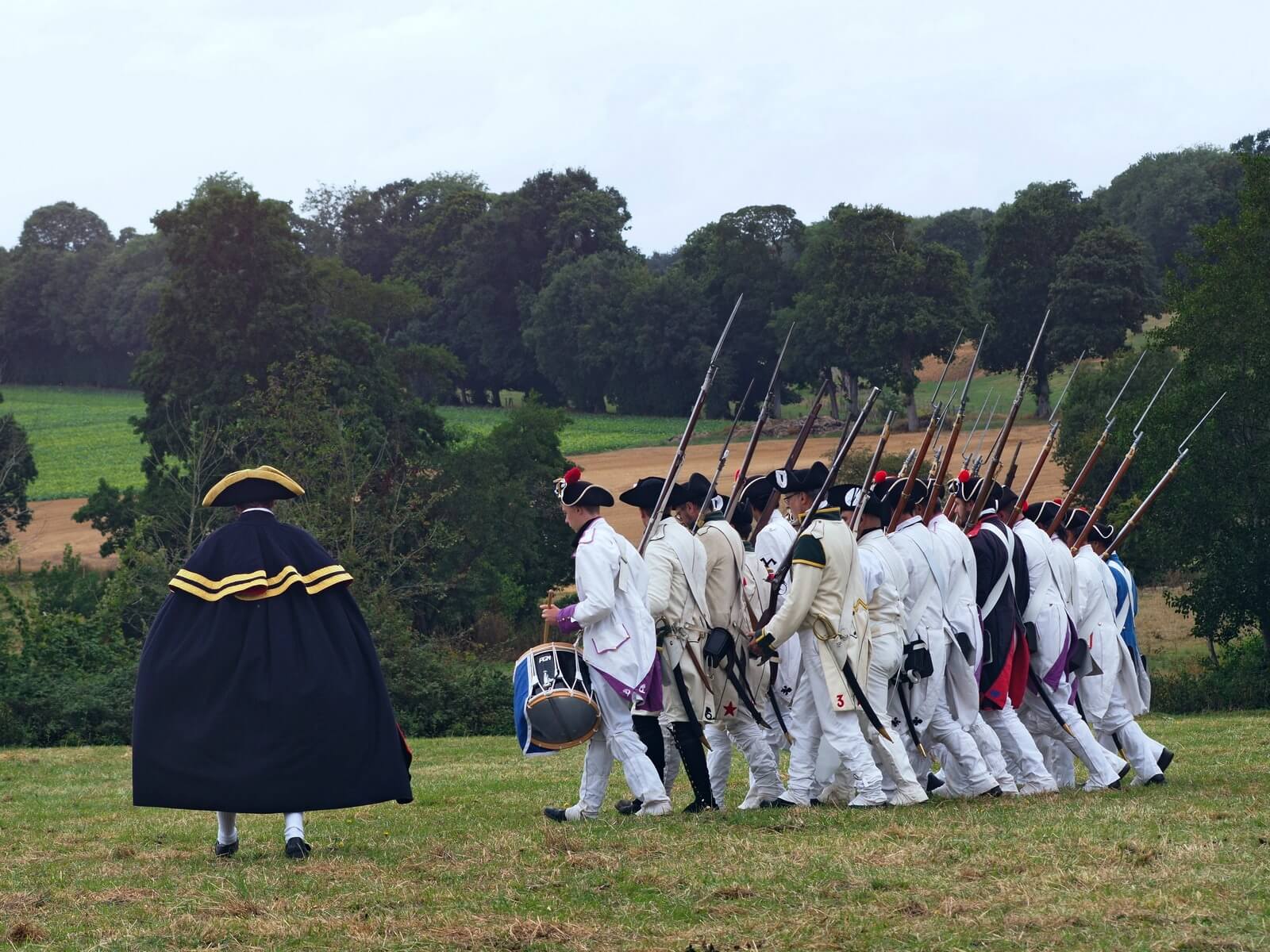
As we invite you to walk the steps of “Gilbert du Motier Marquis de Lafayette” also known as “The Hero of the Two Worlds”, we propose an itinerary that covers several regions through France. We will revive XVIIIth century France during the time of the Enlightenment, Louis XVI, Marie Antoinette, The American and the French Revolutions, Jefferson, Franklin, and other American Heroes.
You will learn the stories about the French Leaders who fought in our War of Independence, especially LaFayette, who was in his early 20's during the revolutionary war and became a protege of Washington, sharing with him a father-son relationship.
With scheduled appointments, you will be able to meet with some of their descendants who will receive you in their chateaus and share the souvenirs of their famous ancestors and tell family stories.

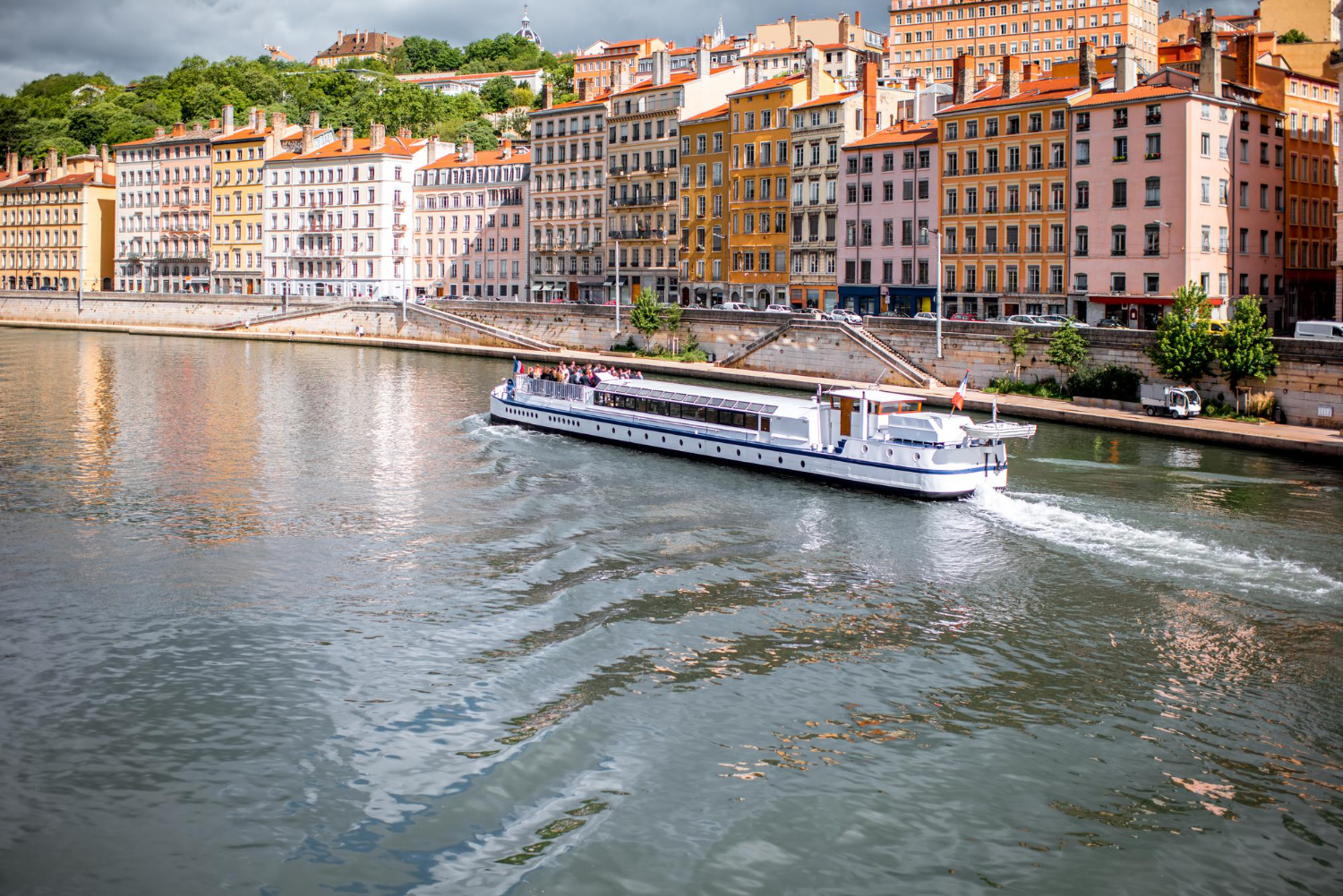
Lyon
Your trip could start in Lyon, the 3rd largest city in France, where several of its sites are part of the Unesco World Heritage list. The ancient capital of the Gauls, more than 2000 years ago, it is now the capital of the Region “Rhone Alpes Auvergne” and the capital of French Gastronomy; historically known in the 17th century as the European capital of silk production and weaving, kings, queens and the rich of that time were all dressed with materials coming from Lyon. A full day is hardly enough to learn about Lyon; visit the “Traboules” and try the Lyonnaise cuisine in a “bouchon”.
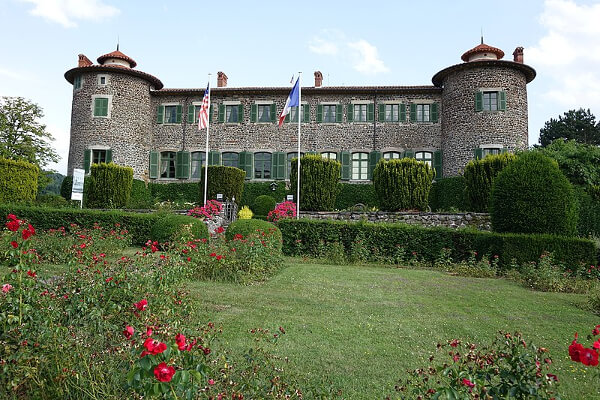
Chateau De Chavaniac
Excursion of 1 or 2 days in Auvergne to the Chateau of Chavaniac, near Langeac. In 1757, this 14th-century manor house was the birthplace of Lafayette. The rude winter climate must have prepared the young lad for the campaigns he fought later with General Washington. He was a young orphan with little money until his inheritance from his grandfather made him rich and allowed him to move to Versailles.
Bordeaux
Bordeaux is a port on the Garonne River, the 6th largest city in France and the capital of Nouvelle Aquitaine. It is famous for the wines produced in the area and exported worldwide.
Its history can be traced to the Celts in the 5th century BC. It flourished through the Middle Ages and the Renaissance and in 1653 was annexed to the Kingdom of France.
The golden era of Bordeaux took place in the 18th century when it supplied most of Europe with imports from the New World such as coffee, sugar, cacao, cotton, indigo as well as slave trading. It has more protected buildings from that period than any other city in France besides Paris. Victor Hugo said: “Take Versailles, add Antwerp, and you have Bordeaux”.
Rochefort
Rochefort-sur-Mer is a small town and port on the estuary of the Charente River. From the times of Louis XIV (1665) until 1926 it was a shipyard and an important military naval base which had been fortified by the military architect Vauban.
La Corderie Royale
Visiting the “Corderie Royale '' is a unique experience. It is also referred to as “the Versailles of the Sea”. Its grandiose architecture is another proof of the Sun King power. For over three centuries it provided ropes for the French Navy even after steel cables were produced.
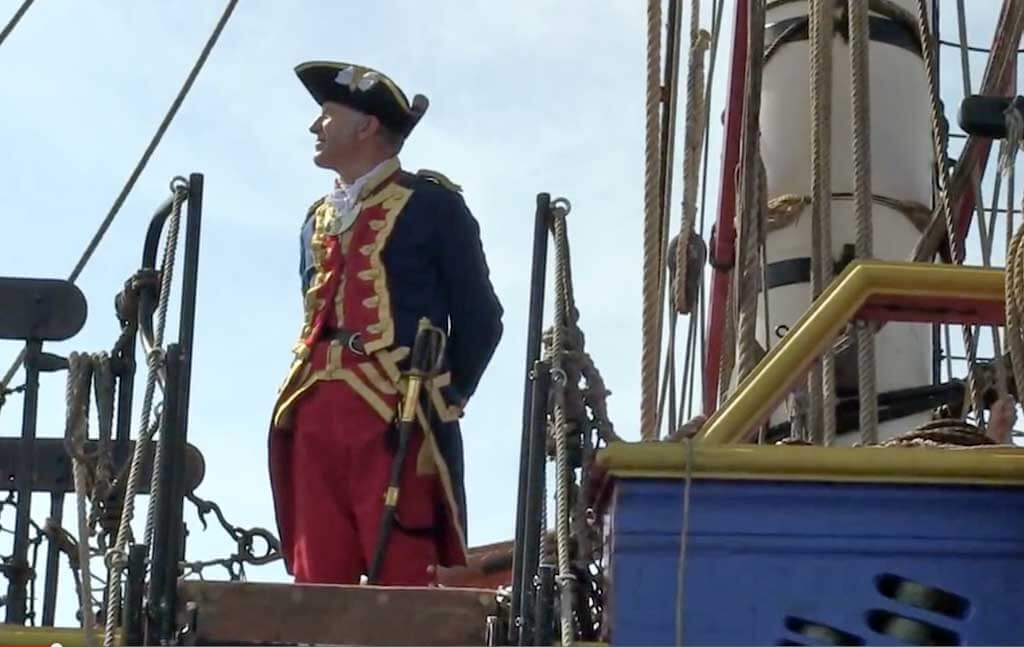
L’Hermione
L’Hermione is the ship that took LaFayette across the Atlantic during his second voyage to America in 1780. It was recently reconstructed in Rochefort due to a dream, a gamble and a profound commitment to symbolize the historical attachment between France and the United States. The journey in the footsteps of Lafayette was reenacted between April and August 2015.
L’Hermione is sometimes sailing but she returns to her home port, where she was born twice.
The exhibitions telling her many adventures, reconstruction, and life onboard can still be visited even in her absence.
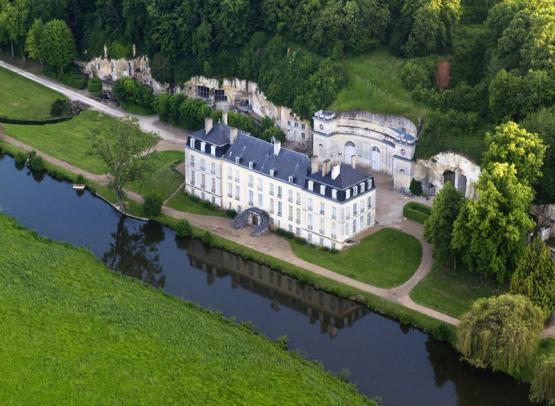
Château de Rochambeau
This family's mansion, on the bank of the Loir, will be one of the highlights of your trip as you may be able to have a scheduled meeting with the Descendents of the famous Marechal who made his name famous in the War of Independence.
Marshal Jean-Baptiste Donatien de Vimeur, comte de Rochambeau was a French nobleman appointed commander of the “Expedition Particuliere” (Special Expedition), a project planned under Louis XVI to sail French land forces to North America to support American colonists in the Revolutionary War against Britain.
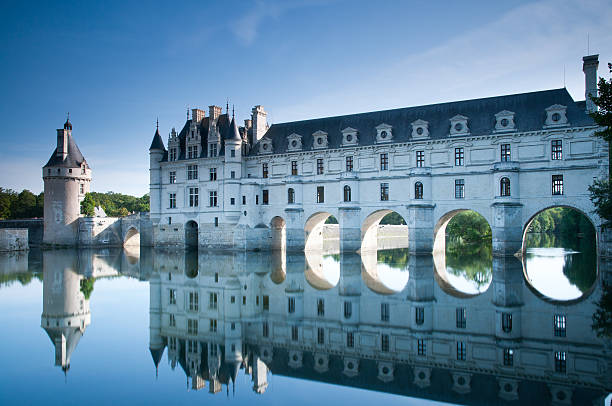
Loire Valley Chateaux
As you will spend a couple of nights in this region a full day excursion will allow you to visit part of the Loire Valley with its gentle landscapes, its soft lights, gardens, orchards, forests, and vineyards. Kings, queens, aristocrats, and rich merchants or bourgeois built during the Middle Ages and the Renaissance strong fortresses, hunting lodges, elegant palaces, exuberant mansions, and royal residences. In a 40 miles radius of the Château de Rochambeau and Vendome you can choose to explore 2 or 3 of the famous chateaus and picturesque small towns such as Blois, Amboise, Chambord, Chevergny, Chaumont or Chenonceaux.
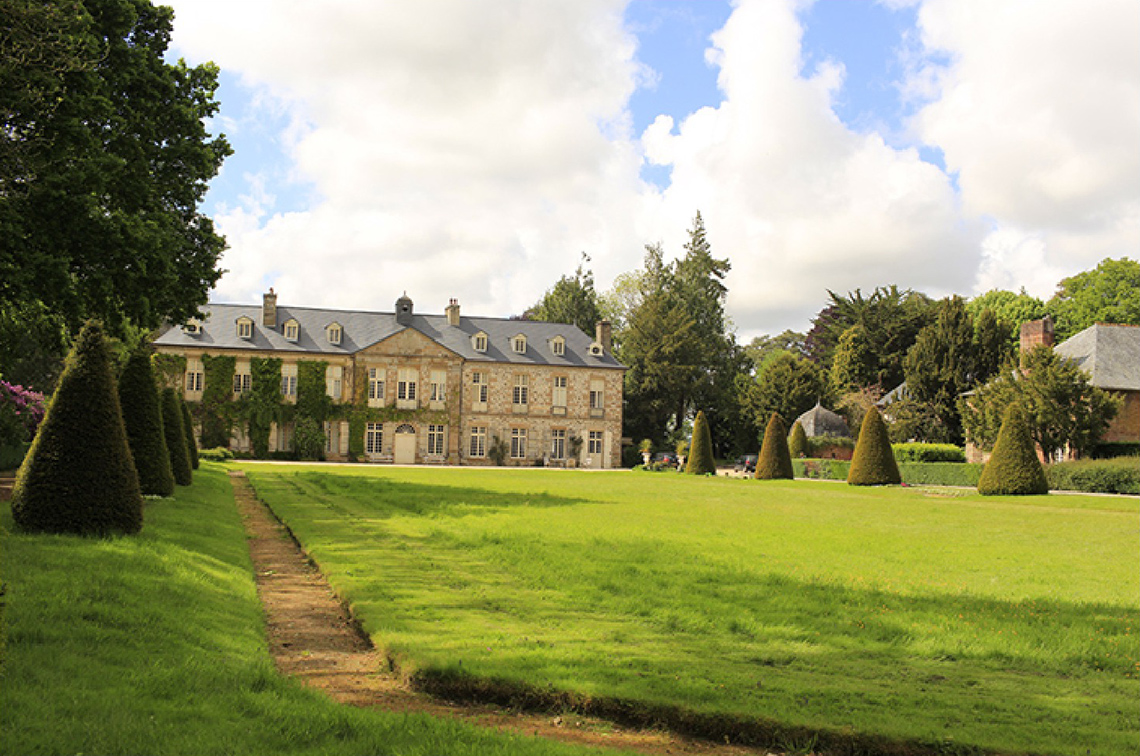
En route towards Normandy and at the border of Brittany another highlight of your trip will be the visit to the Chateau de La Rouerie which has been in the family for more than 8 generations.
The Chateau was redesigned at the beginning of the 1700s by the noble family 'Tuffin de la Rouerie'. One of their ancestors, Charles-Armand Tuffin, marquis de la Rouërie, was known in the United States as "Colonel Armand". He was a French cavalry officer and friend of General Washington. He served under the American Flag during the American war of Independence and was decorated and promoted to Brigadier General after the final battle of Yorktown in 1781.
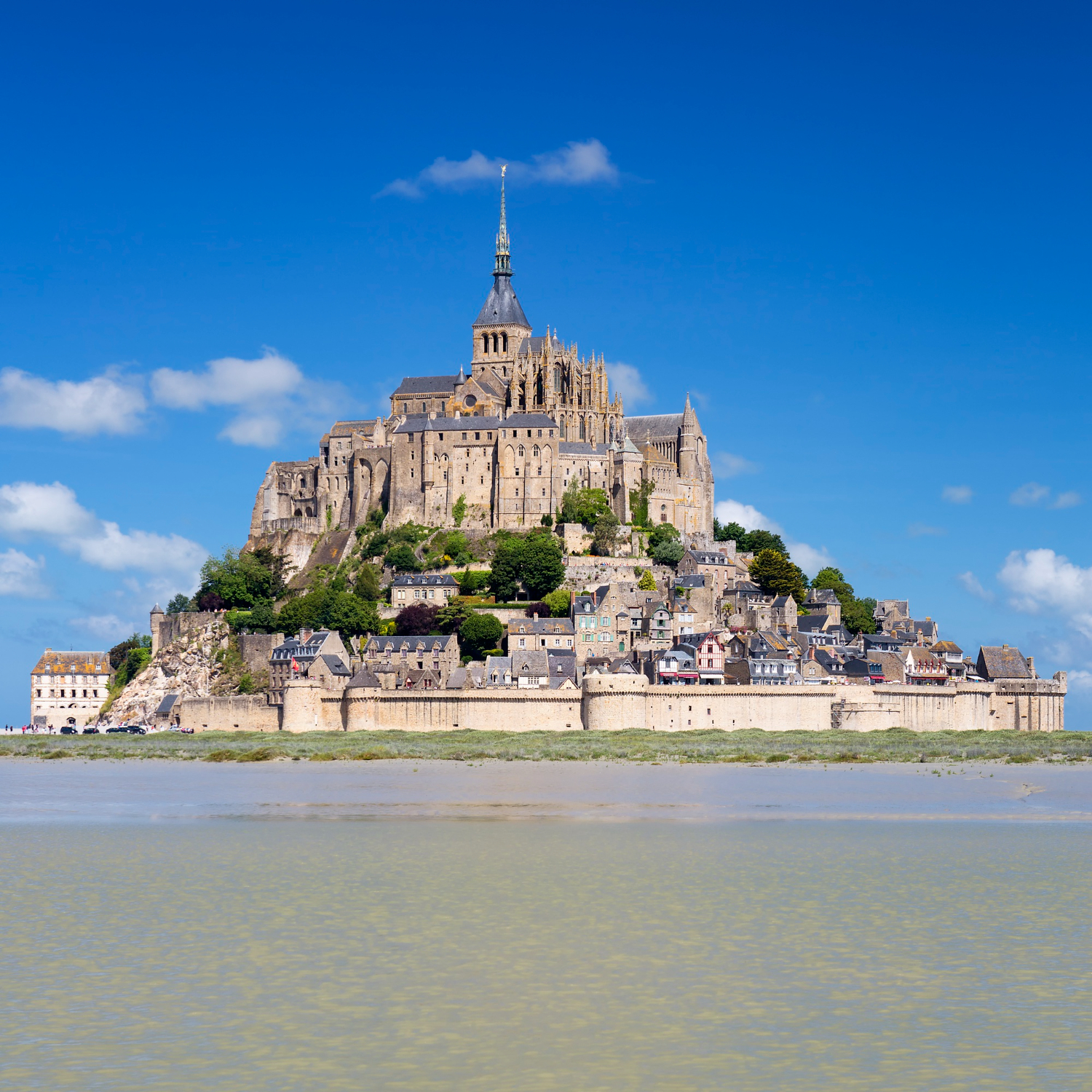
Mont-Saint-Michel is a granite island, just under a thousand yards round and 262 feet high. The bay around is partially silted up, and the mount is surrounded by huge sandbanks which shift with the tides. The rock is crowned by the 13th century Abbey and the group of buildings called “La Merveille” (The Marvel) which include the Guests Hall, the Cloisters, the Refectory and the Knights’ Hall.
Spending a night in one of the small hotels, on the rock, is an experience of a lifetime, you should not miss.
Bayeux
After the Romans and the Vikings departed, Bayeux became the cradle of the Dukes of Normandy and the home of William who invaded and conquered England
Reine Matilde’s Tapestry
This extraordinary masterpiece of embroideries dates from the time of the conquest of the British Isles. It's 58 scenes recount the epic of the Norman invasion with a striking truthfulness. It gives unparalleled information about the ships, the weapons, the clothes, and the way of life in the 11th century
 Camp de Vaussieux
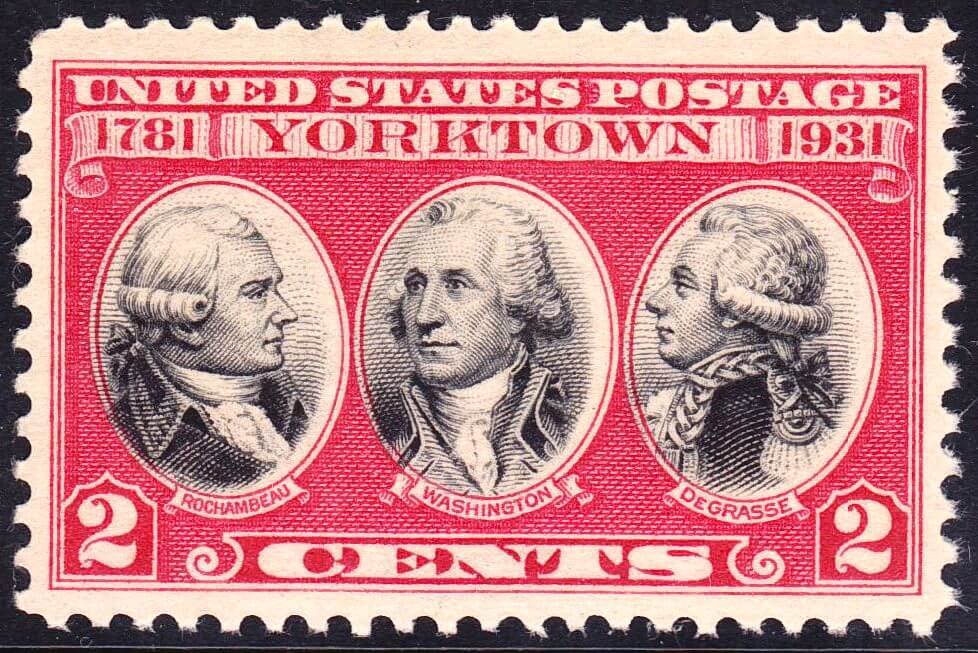
Louis XVI permitted secret aid to the American cause. In 1778 he actively supported the insurgents sending money, troups, armament, military leadership and naval assistance. The ultimate victory took place at the Battle of Yorktown and the Treaty of Paris, signed in 1783, ended the War of Independence.
At the Camp de Vaussieux, the Royal Army was gathering more than 30 000 soldiers. They were participating in large-scale military operations and trained for weeks or months before being directed to the battlefields. The objective was mostly to convince the British of a possible invasion of Great Britain. Several battalions present at Vaussieux were sent to America under the command of Rochambeau to fight with General Washington and Lafayette.
Landing Beaches
The World War 2 Normandy invasion and its impact on European and world history are marked all along the coastline by cemeteries, monuments, and Museums.
You may wish to visit some of the places where a mighty Allied Armada sailed from England on the night of June 5, 1944. The LIberation of France and Europe had begun!
For these visits see our special detailed section on WWII.