


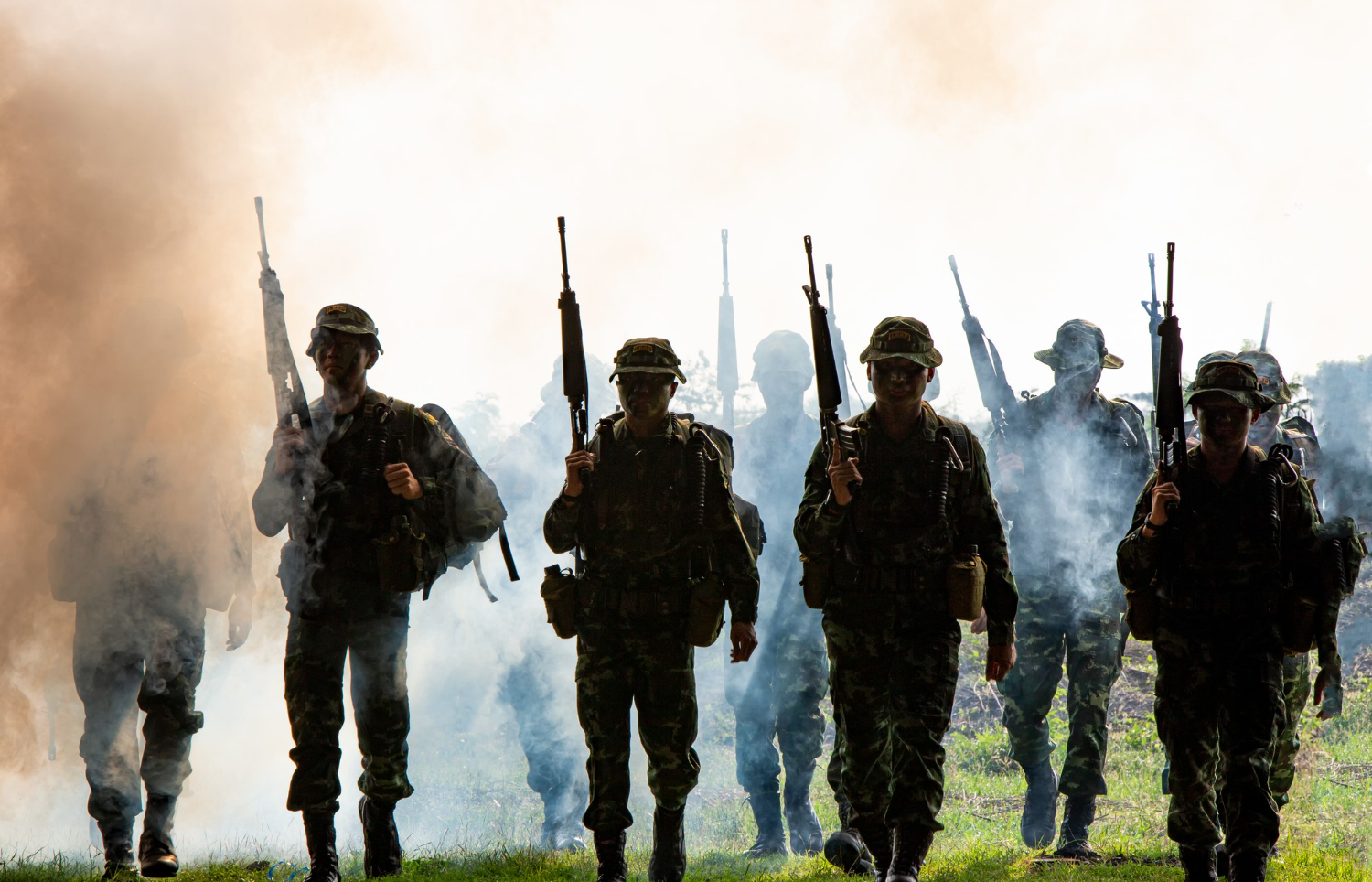
The United States formally entered World War I on April 6th, 1917. By the time the war finally ended, on November 11, 1918, more than 2 million American soldiers had served on the battlefields of Western Europe, and some 50,000 of them had lost their lives.
The history of World War One in France extends to neighboring Belgium and pays tribute to American troops as well as those coming from Britain, Canada, New Zealand, and Australia. The tours and visits we offer with our historian guides are focusing on what happened in France with the presence of American Allies but could be customized to any part of the events which happened during the Great War.
To visit this part of France, you leave from Paris and take a full-day excursion to see and learn about the main WWI battlefields where American soldiers fought. In just a few hours, your historian guide will take you back to 1918 and share American memories.
For a more complete and detailed experience, you can also spend a few days in a small French town or in a country chateau mixing the souvenirs of the war with today’s 21st-century culture.
Château-Thierry
Château Thierry, on the bank of the Marne River, remains strongly connected to the presence of the American armed forces in WWI. The town is remembered for the struggle of May-July 1918, when the impressive defense of the French and American armies barred the road to Paris. You will see the Chateau-Thierry Monument built on Hill 204, two miles east of town; it commemorates the sacrifices, the achievements and the cooperation of the Americans and French who fought in the region; you will visit the “Maison de l’Amitié Franco-Américaine” (MAFA) and learn about the life of Teddy Roosevelt‘s son, Quentin, who was shot down near Château-Thierry in July 1918 while flying a French SPAD plane.
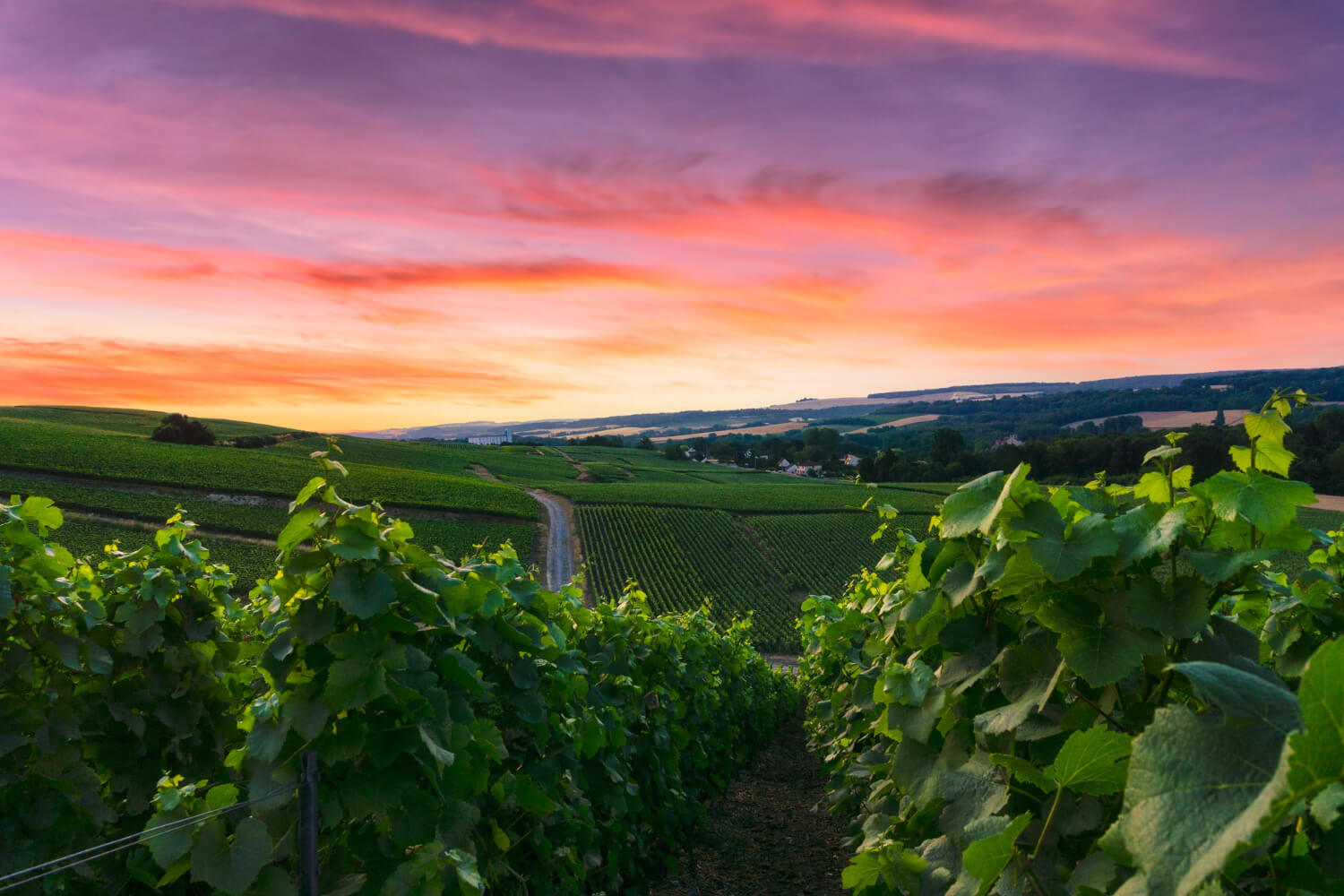
On a several day tour, after your emotional reprise of the war, you should relax, visit the vineyards of Champagne and enjoy a tasting tour at the “Champagne Pannier”.
Belleau Wood
Following the visit to Chateau-Thierry your guide will reenact the attack by the Marines on “hill 142”. The Battle of Belleau Wood (1-26 June 1918) occurred during the German 1918 Spring Offensive. It became the scene of fierce combat where many of those who died were buried in the nearby cemetery. As you walk through the battlefield you’ll see the Marine Monument, a commemoration to the 4th Marine Brigade of the U.S 2nd Division, which was primarily responsible for the capture of the wood. Cannons, vestiges of trenches and shell holes still remain in Belleau Wood.
 Oise - Aisne American Cemetery & Memorial
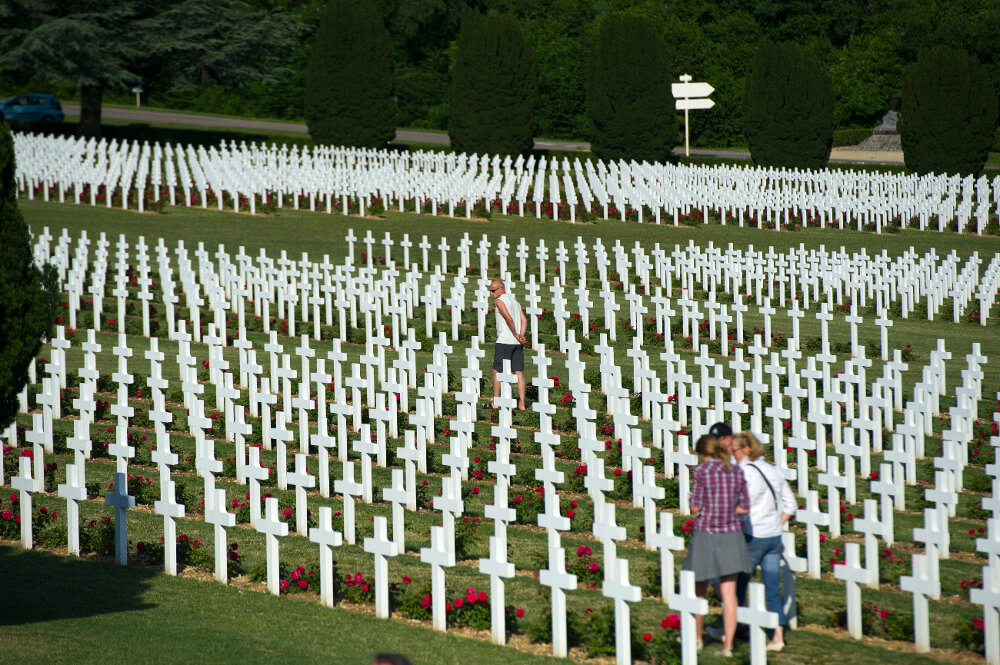
About 14 miles northeast of Chateau-Thierry lies the Oise-Aisne American Cemetery and Memorial. It is one of 8 permanent American World War I military cemeteries outside the USA. The soldiers and support personnel buried at this site died during the Second Battle of The Marne and the Oise-Aisne Campaign. It is a very emotional visit. The headstones of 6,012 fallen soldiers are made from white marble coming from Carrara in Italy and 597 graves at this site are for unknown soldiers. Among all the soldiers are 2289 Americans.
At the far end of the cemetery is a semi-circular memorial of marble and granite with a small chapel and a one-room museum. The Wall of the Missing has the names of 1060 soldiers engraved.
Museum of the Great War
Further North, between Amiens and Saint-Quentin where the Battles of the Somme took place, is the “Historial de La Grande Guerre” sheltered in the ruins of the Chateau de Peronne. It opened in 2011 and it is the largest museum in Europe about the first World War. It offers a new vision of the first worldwide conflict, through innovative scenography illustrating the great changes and upheavals in society that resulted from it. It places war in a social context showing the sufferings of the soldiers and the civilians, equally mobilized in the war. It considers the viewpoint of all nations that fought at that time.
Château de Blerancourt
Blerancourt is the epitome testament to the Friendship between Two Great Nations.
Located on your way between Paris and Brussels, it is a history and art museum well worth a stop or a special detour. By visiting the Chateau of Blerancourt you will learn about Anne Morgan, the daughter of the banker JP Morgan. She was a philanthropist and the founder of the National Museum of French-American Friendship and Cooperation. She dedicated her life to bringing support to the soldiers and the local population. She organized various projects and associations to help the wounded and to rebuild the villages which had been completely destroyed. Being close to the front she delivered humanitarian aid thanks to an automobile service run by very busy women chauffeurs.
The newly reopened museum is now showing new exhibitions. Besides the original components about the Two World Wars, you will also see collections about the Influence of the Enlightenment and about the American Revolution.
 Verdun
Even though The United States military forces did not participate in the Great War until 1917, assistance from the US and other Allies were present by the start of the Battle of Verdun in February 1916. Nearly 2,500 AFS volunteers helped to evacuate some 400,000 wounded French. Some 127 were killed during the battle. American volunteers played a significant role in the front line of the battle, performing as ambulance drivers, fighter pilots, soldiers, and other duties.

This monument is a high tower built in 1929. 73 steps lead up to a hall containing lists of names of the soldiers awarded the Verdun medal. You can see the guest book of the French and American soldiers who fought in the Meuse.
 Underground Citadel
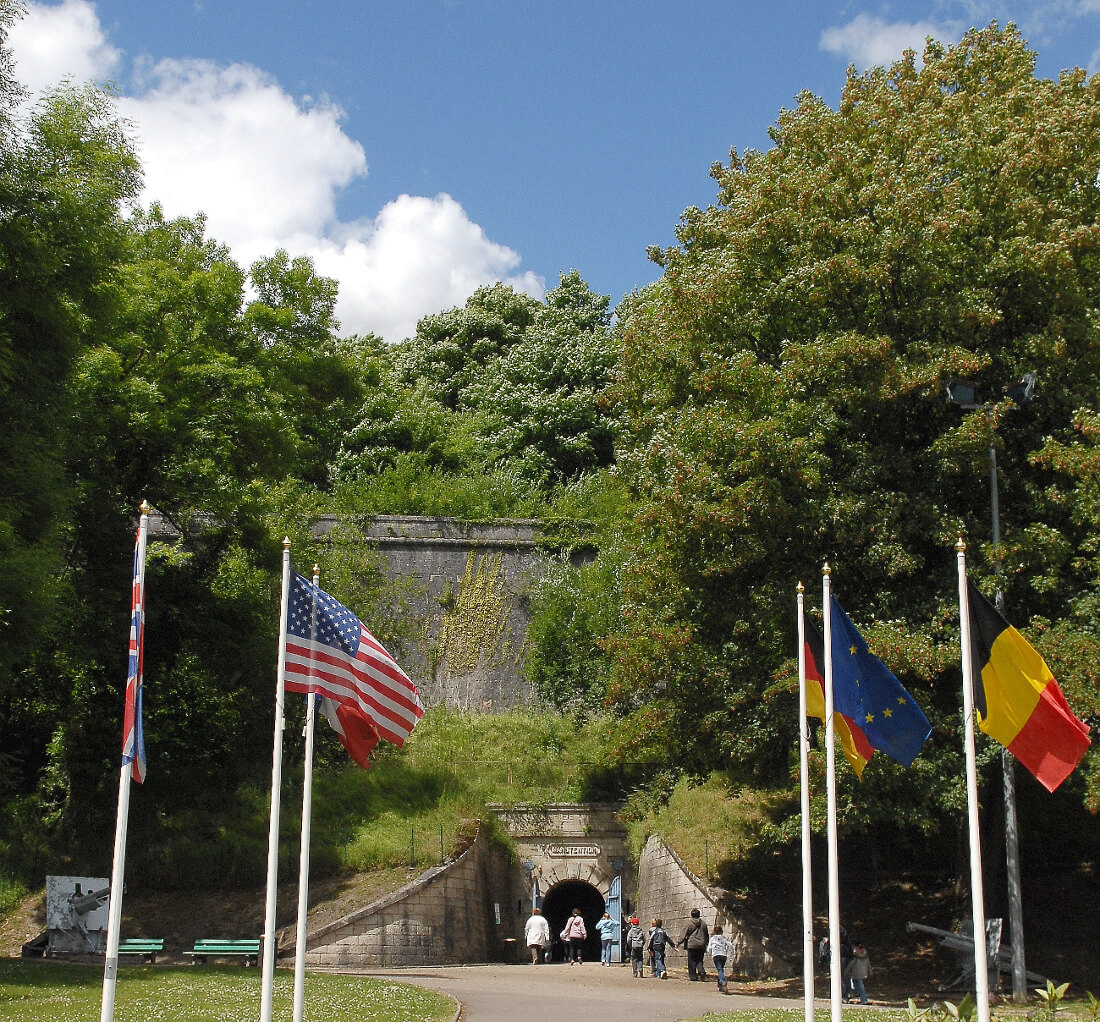
This was the logistic center during the Battle of Verdun. Aboard rolling wagons, you will follow galleries with audiovisual animations and reconstitutions evoking the daily life of the soldiers.
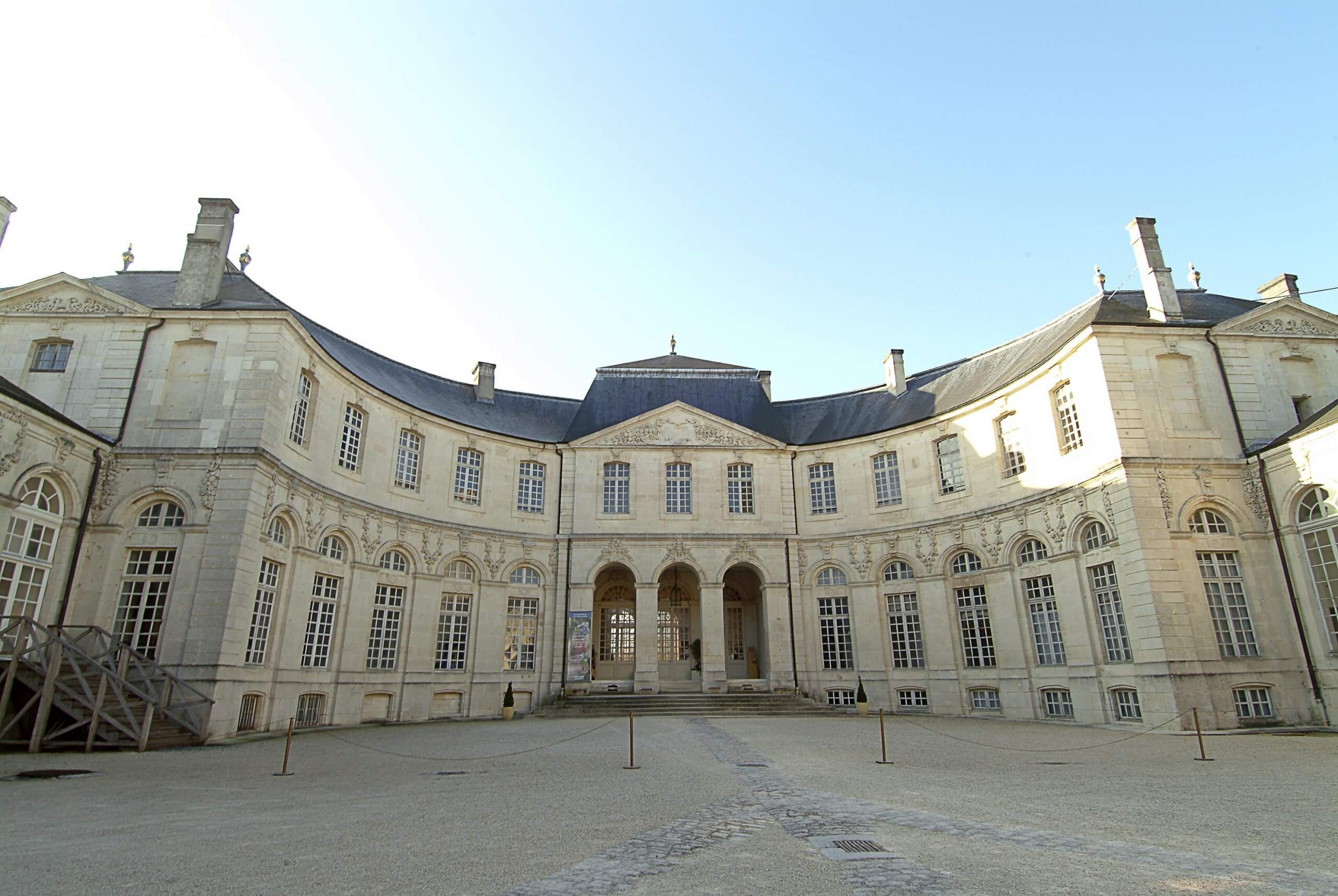
The World Peace Center is housed in the luxurious archbishop's palace in Verdun, a supreme example of French Classical architecture.
It's a site for numerous events on the theme of peace, freedom, and human rights. Symposiums, conferences, exhibitions- everything is designed to encourage young and old to question past and present geopolitical dynamics.
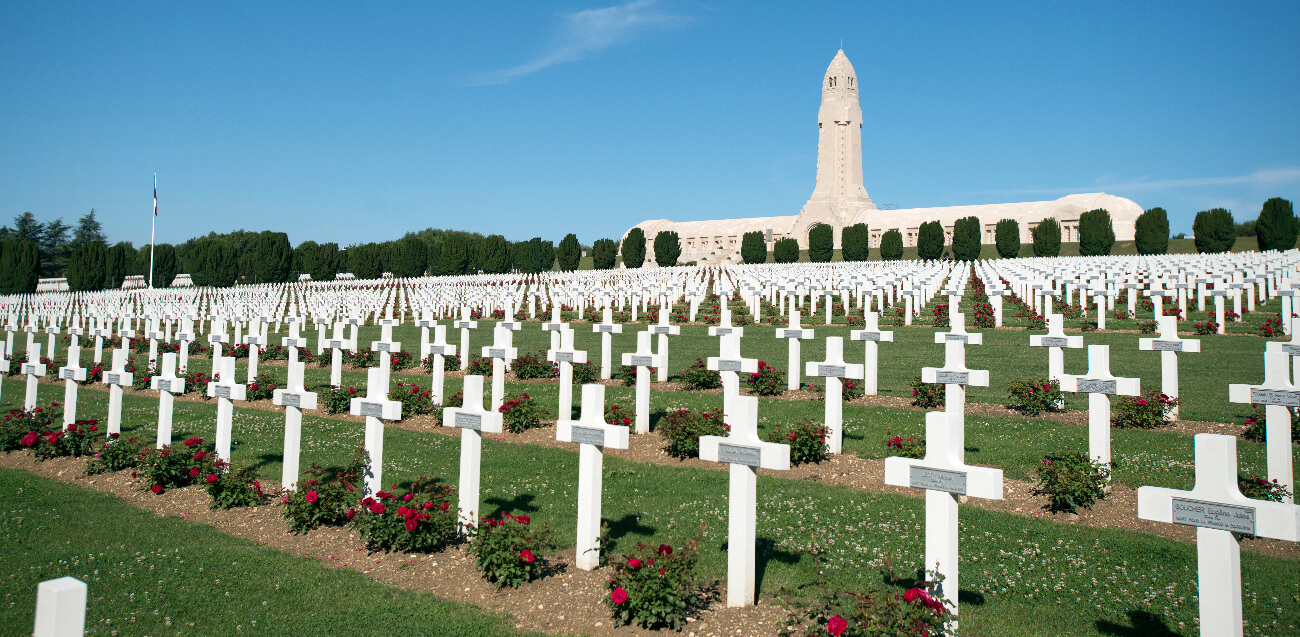
This new memorial inaugurated in 2016 honors the Verdun fighters, whether French or German. A multitude of photographs, testimonials and audiovisual presentations evoke the fighting experiences of men from both sides.
This monument shelters about 130,000 bodies of unidentified soldiers, French or Germans. You will visit the crypt and the chapel and from the top of the tower you will have a panoramic view which extends over the entire battlefields.
At the beginning of the Battle of Verdun the fort was taken by the Germans. After 8 months of fighting it was recaptured. Today, French and German flags are flying side by side as emblems of the strong friendship between two nations who lived through an undeniable tragedy.
Besieged by the Germans the fort surrendered after 7 days of heroic resistance. The commander and entire garrison put up a fierce defense that cost the Germans almost 3000 casualties. The French, for their bravery, received military honors from their opponents.
The story could be a myth but it represents a symbol of all the horrors of this war time. The 137th Regiment of French infantry was annihilated almost to the last man. Years after the war, French teams exploring the battlefield uncovered the first clues of the horrific fate of this regiment. One of the trenches was discovered completely filled in, with only a neat line of bayonets sticking out of the ground. The bayonets were still fixed to their rifles. A body was found next to each one. Under relentless bombardment, the soldiers had been buried standing up. The monument related to this event was built by Mr. Rand, an American patron.