


Are You Interested?
Contact Us
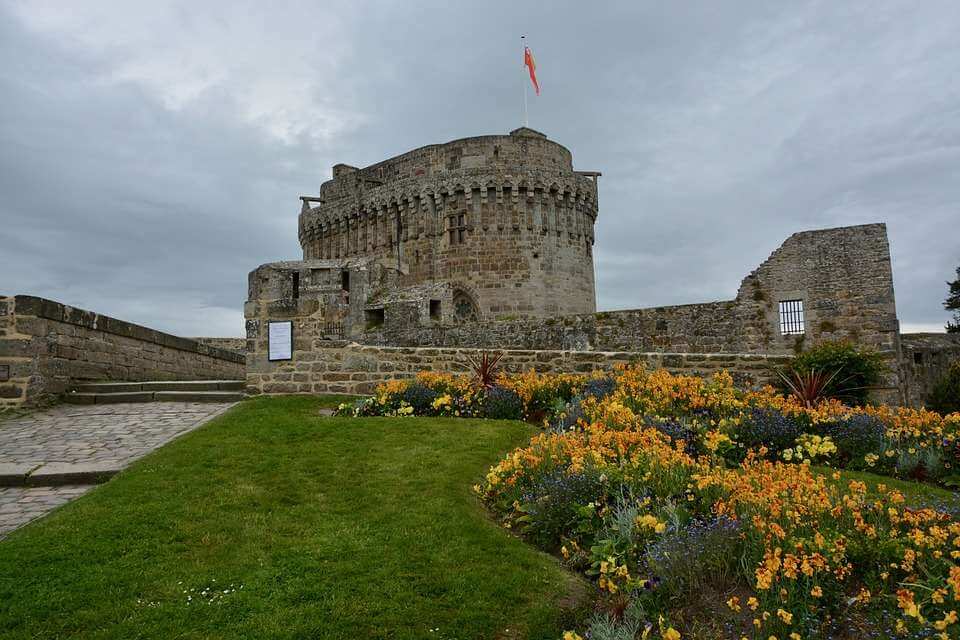
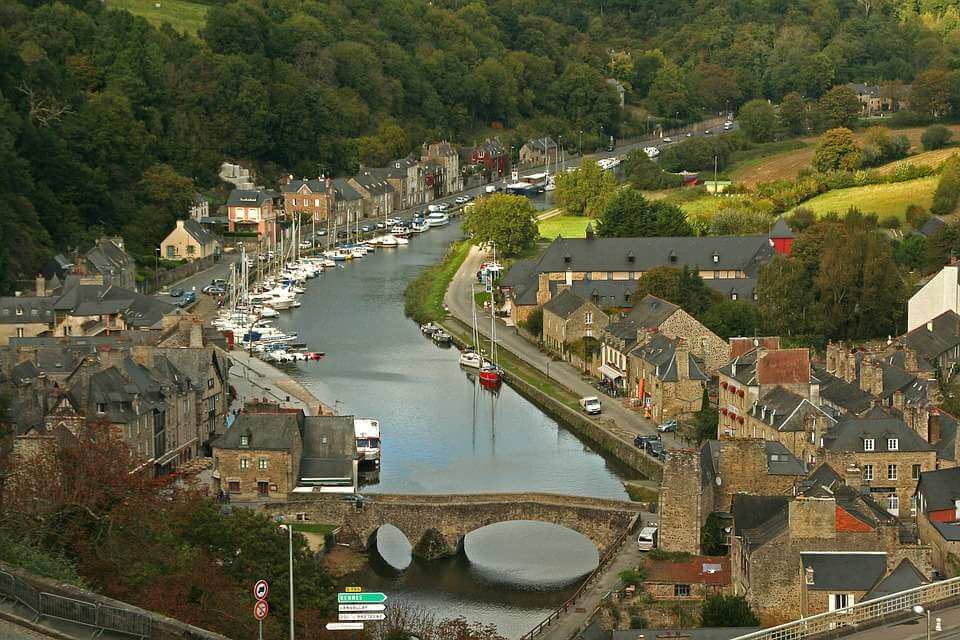
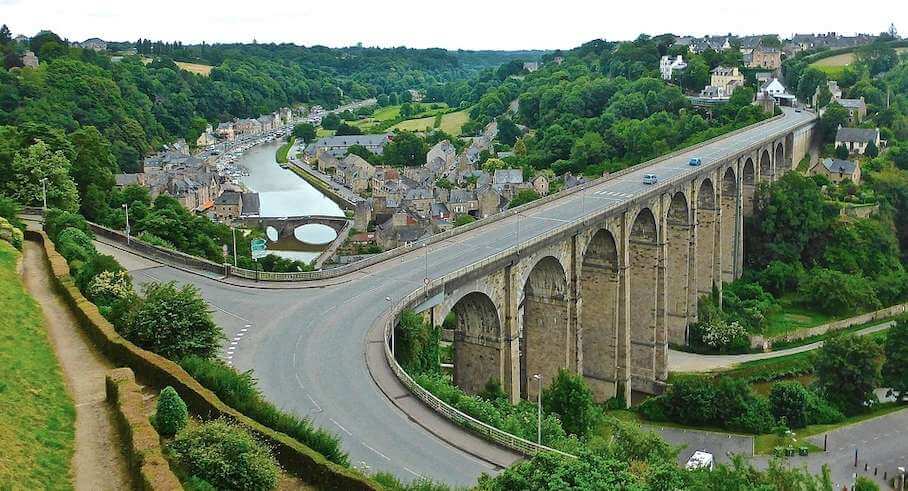
Leaving from Paris Gare Montparnasse, Rennes is only 90 minutes away with the TGV high speed train. City tour on arrival: historical and contemporary culture are mixed as you walk through the medieval streets lined with half-timbered houses, elegant 18th century classical buildings, and two royal squares. En route to Saint Malo you will stop in Dinan , a picturesque medieval town with remarkable treasures of 18th century architecture and green landscape along the Rance River. Do not miss seeing Rue du Jerzual and taking a walk around the harbor before enjoying a cruise on the river. Check-in at your hotel for two nights. Afternoon drive is about 1h 45 – 63 miles.
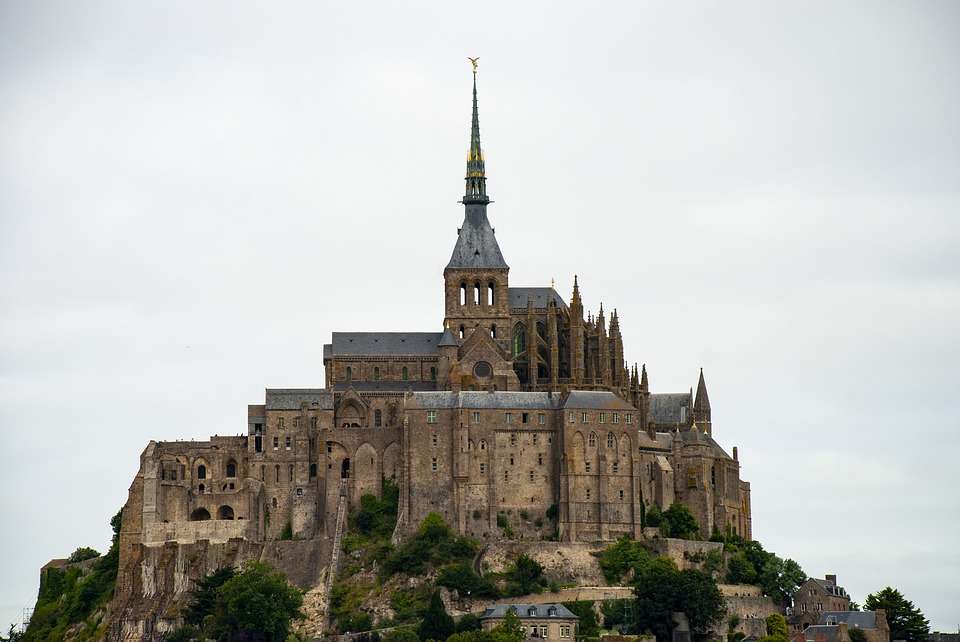
Morning city tour along the promenade and around the remparts. The prosperity of Saint Malo dates back to the 16th century when Jacques Cartier set out from there to discover Canada. Commerce of fish and furs allowed the prosperous local ship-owners to build many fine residences. Afternoon excursion to Mont Saint Michel and return via Cancale. Mont-Saint-Michel is one of the marvels of the Western World. The site and the architecture make it the most spectacular of the abbeys of France, located as it is at the limit of the old Duchies of Brittany and Normandy. The Mont and the surrounding stunning bay are both protected by UNESCO.
Stop in Cancale, which is famous for its oysters and the landmark sculpture of Girls Washing Oysters. As you visit the small harbor, stop by the market where there are always a few local producers ready to open a few oysters for you to taste. It’s fresh and delicious! Afternoon drive is about 77 miles – 2 h 20. Overnight in Saint Malo.
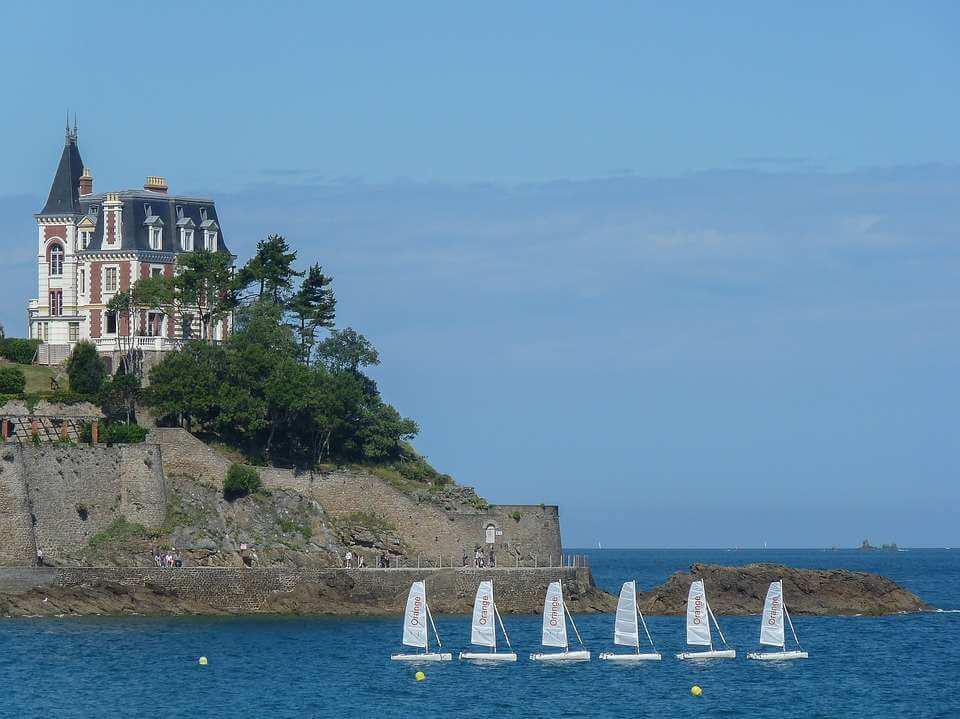
Departure after breakfast. Dinard is an elegant resort with sheltered sandy beaches and a very mild climate that attracted rich American and British families in the 19th century. It is located on the left bank of the Rance facing Saint-Malo. A few minutes away is the famous dam over the Rance River which uses the tides to produce energy. Cap Frehel is one of the most magnificent sites along the coast of Brittany with red, black, and grey cliffs that reach up to 230 feet and are beaten by forceful waves. It is a 30 minutes walk out to the lighthouse and the panorama from there is superb with a view over to the Channel Islands and the Cotentin Peninsula.
Saint Brieux is a small town in the Cotes d’Armor where the cathedral and the old town is worth a short visit. Guingamp is famous in France for its soccer team. It used to be an important market town in the Middle Ages. Notre Dame Basilica was badly destroyed during WWII and has since been renovated. Next to it in a chapel is the Black Virgin, Notre Dame du Bon Secours, which attracts numerous pilgrims during the annual “Pardon”, a popular religious pilgrimage in Brittany.
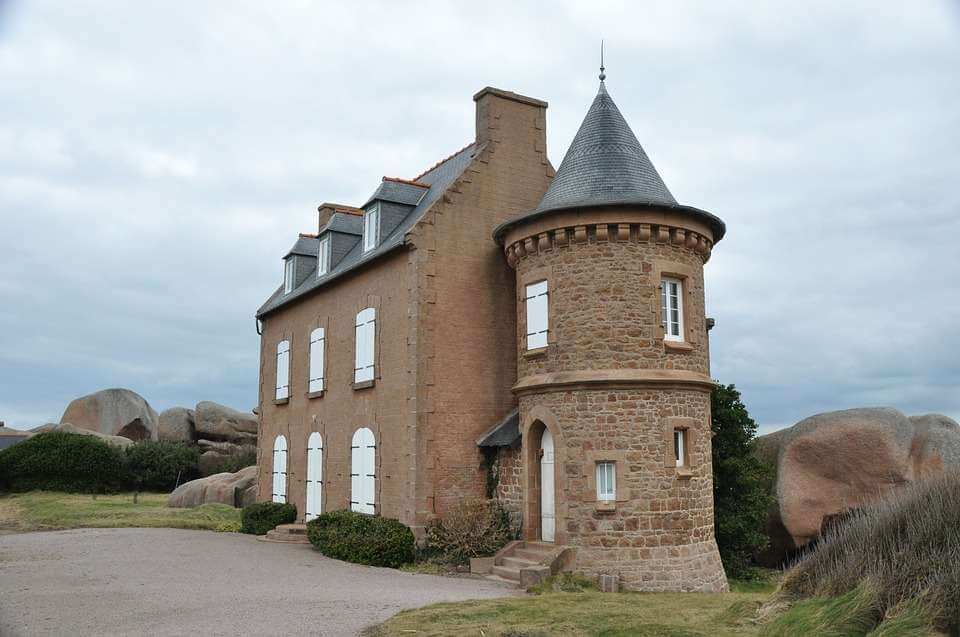
Perros Guirec is a small, classy resort on the “Cotes d’Armor”, where beaches and rock formations have exceptional pink color and extend for over 18 miles Check-in at hotel for 2 nights. Full day drive around 2h 45 – 107 miles.
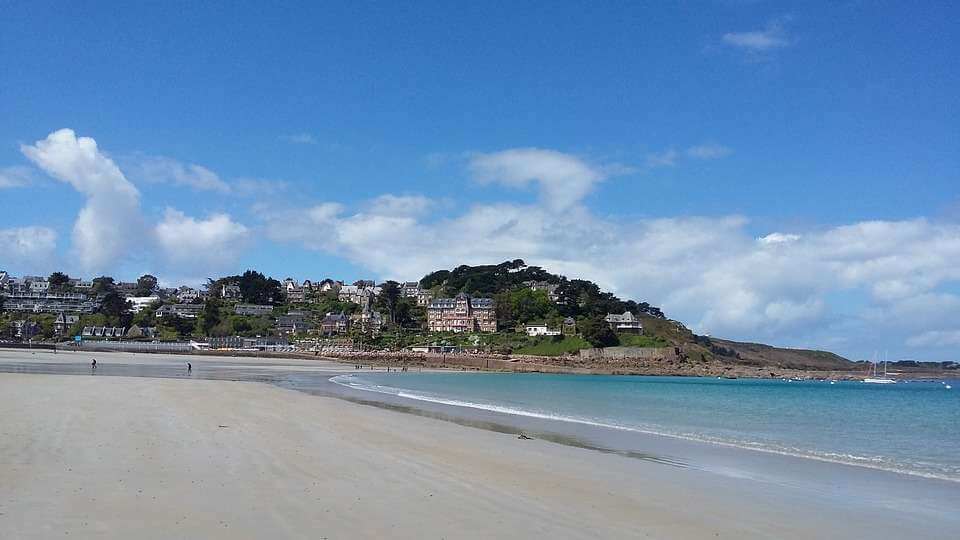
Lannion is the gateway to the Pink Granite Coast and the capital of Tregor, one of the nine provinces of Brittany. A small city of Breton tradition and modern development, it has kept its medieval appeal despite the nearby “Technology Park”, which is home to over one hundred high tech companies and research centers. used to be a cod fishing port in the 19th century when its sailors left for months at a time to fish near Iceland. Nowadays it is mostly a summer resort. About one mile away from the coast and a 10 minutes crossing is the small “Island of Brehat”. It is known as the island of flowers and is part of a small archipelago made of pink granite rocks. Full day drive around 1h 45 – 50 miles. Overnight in Perros Guirec.
Departure after breakfast for Morlaix, a small town in the Finistere Department where some local people still speak the Breton language. Winding streets with cobblestones date back to the Middle Ages, and where the most famous house once belonged to the Duchess Anne, dating in the 1500’s.
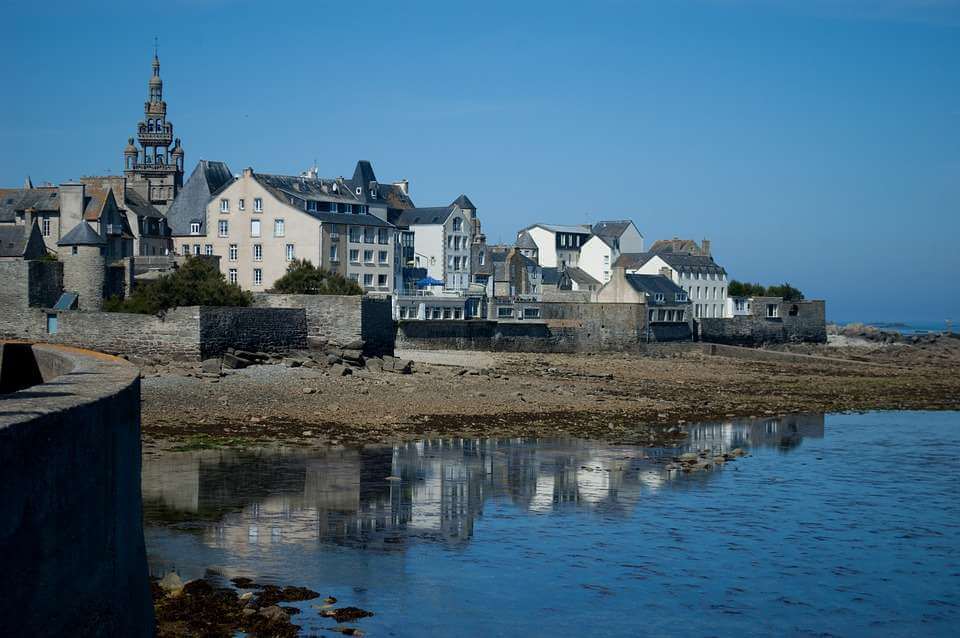
Roscoff is a harbor town with an active fishing fleet which exports food products, mostly vegetables, to Britain and Ireland. It is also a fashionable resort with a ThalassoTherapy centre. Traveling south through Brittany you will move inland and stop to visit the village of Saint Thegonnec, which contains the parish church, a triumphal arch, a wall which limits the enclosure, an ossuary, and the famous Calvary dedicated to Saint Thegonnec. Not far is another similar enclosure, Guimilliau , and both locations attract thousands of worshippers who come to pilgrimage festivals during the “Pardon”. These sacred “enclosures” were part of Celtic religious celebrations before Chirstianity. Quimper: Check-in at the hotel for 3 nights. Full day drive around 3h – 120 miles.
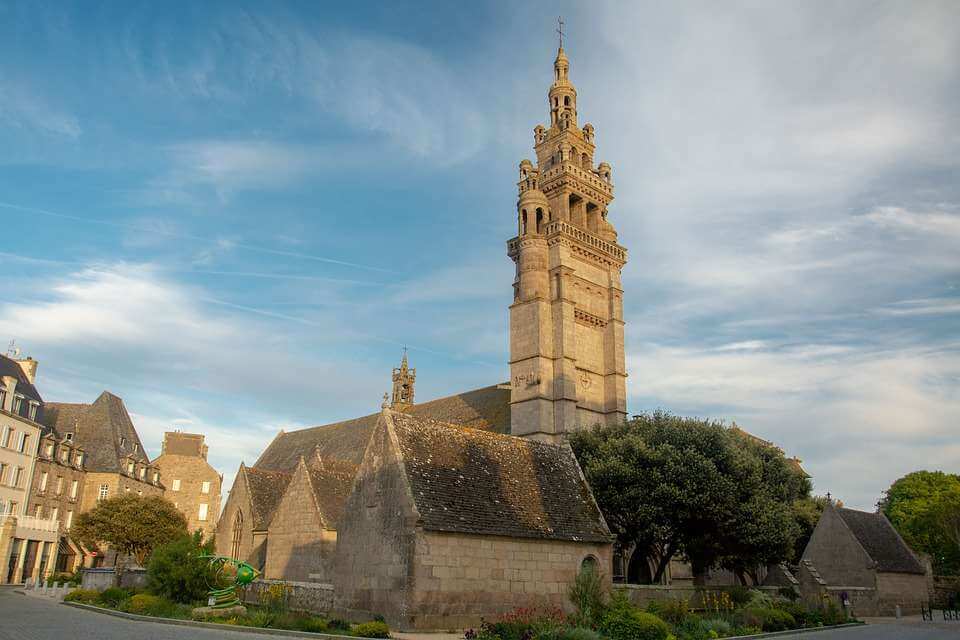
Morning visit to Quimper before taking a very pleasant boat cruise on the Odet River to either Benodet or Concarneau. The boat’s schedule varies daily with the timing of the tide. The capital of Finistere, Qimper’s history goes back to Gaulish beginnings in the 5th century BC. The Gauls settled there 10 miles inland at the junction of two rivers, the Odet and the Steir. It has a long tradition of making fine earthenware and is one of the most active centres for Breton folk art and pottery. Cathdral Saint Corentin is especially striking for its architecture. The old medieval town extends between the cathedral and the two rivers, with fine old houses notable for their granite ground floors and timbered framed upper floors.
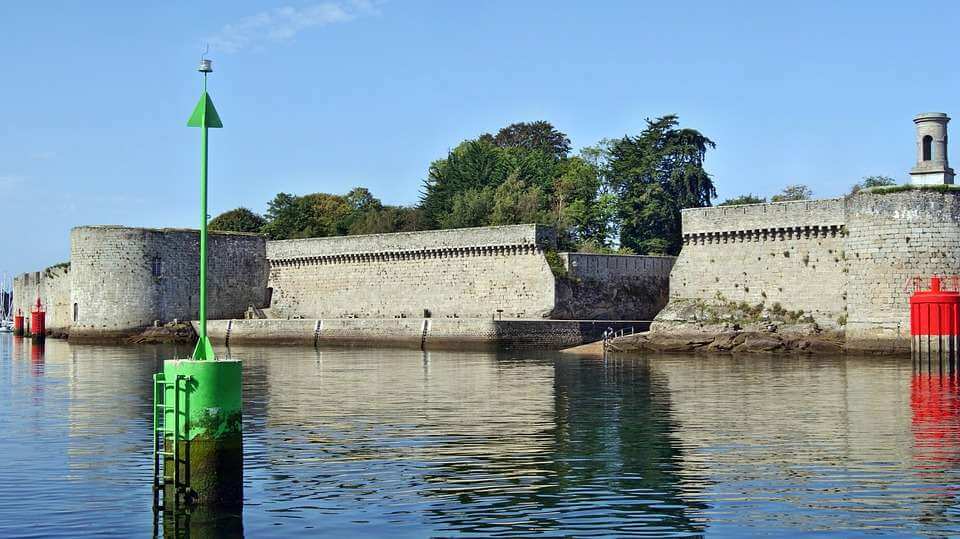
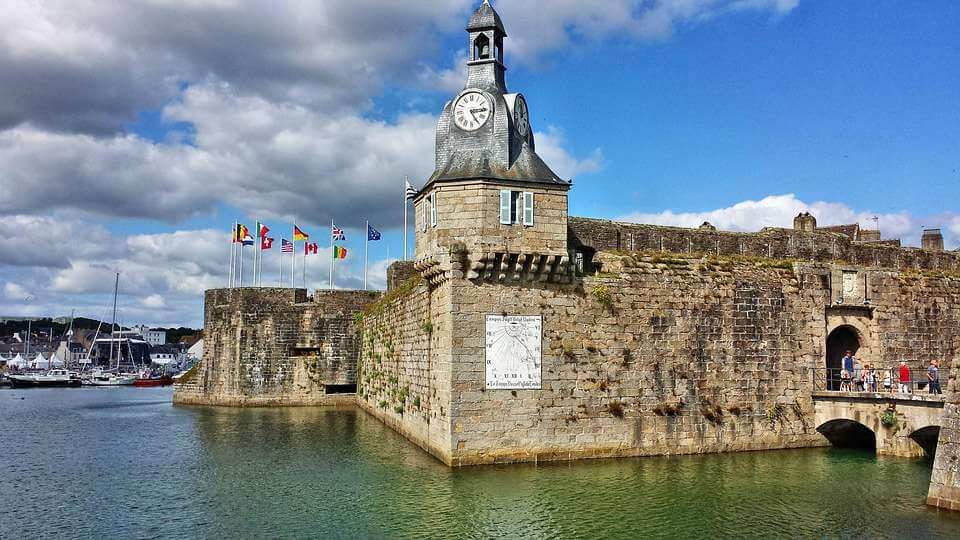
Concarneau is a fishing port and a walled town. Built on an inlet, it was one of the strongholds of the ancient county of Cornouaille. Britons wanted their independence and had the walls built for protection in the 14th century against the threat of the British.
Pont Aven is a quaint little village with pleasant riverside walks. The painting school of Pont Aven was made famous by Paul Gauguin and other post impressionist painters who gathered there in the middle of the 19th century. Today you can visit the local museum which displays the artists who flocked to the region at that time. Overnight in Quimper. Full day drive around 1H 40 – 63 miles.
Depart after breakfast for Locronan , a tiny village which used to flourish thanks to the manufacture of sailcloth, a commerce which spread not only locally but to Spain and Great Britain. Traces of this golden age are still present on the main square, Place de l’Eglise. All buildings are built of granite stone, and it is classified as one of the Plus Beaux Villages de France.
Douarnenez historically has been a sardine fishing village but it is now known for its three different harbors: Rosmeur, the Old Harbor, the Port-Rhu, and the fishing port. You may want to follow the “Sardine Trail” on foot which leads to Rosmeur Port, formerly home to 800 sardine fishing boats. The Bay is considered as one of the most beautiful and mystic bays of Europe, and its landscapes and seascapes have inspired many artists over the years. Pointe du Raz is one of France’s most spectacular coastal landscapes. Jagged cliffs are battered by the furious waves and rise over 220 feet high. The horizon extends off the coast to the Ile de Sein. Walking along the coastal path is well worth a little effort (about 1h ½), but should be avoided in bad weather or with high winds. Le Gulvine is worth a stop if you have an opportunity to see the return of the fishing boats at 5:00 PM sharp. Full day drive around 2h 45 – 88 miles. Overnight in Quimper.
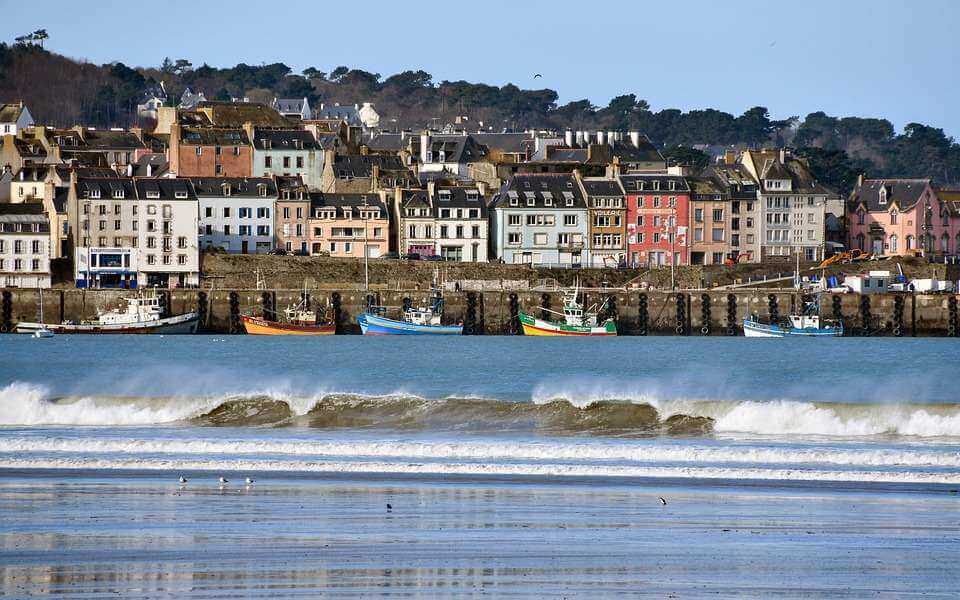
Departure after breakfast for Carnac and a trip back to prehistoric times. An exceptionally large collection of aligned dolmens, single menhir, or burial mounds (tumuli) have been erected in the region of Carnac by the people living in Brittany prior to the Celts. There are more than 3000 prehistoric standing stones, which makes the site the largest in the world. Most date from neolithic times about 3300 BBC, and some may be older and date from as early as 4500 BBC.
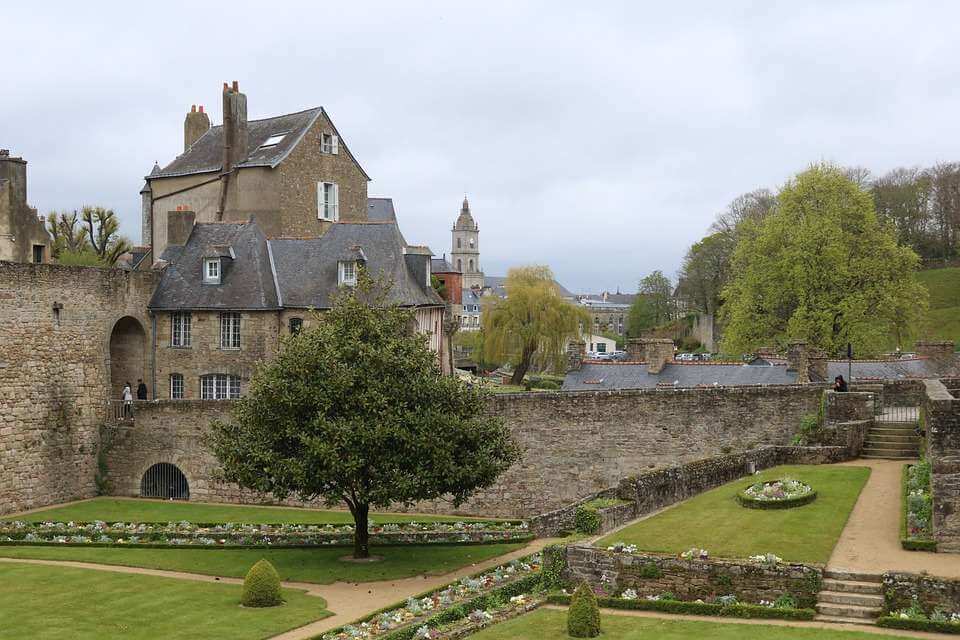
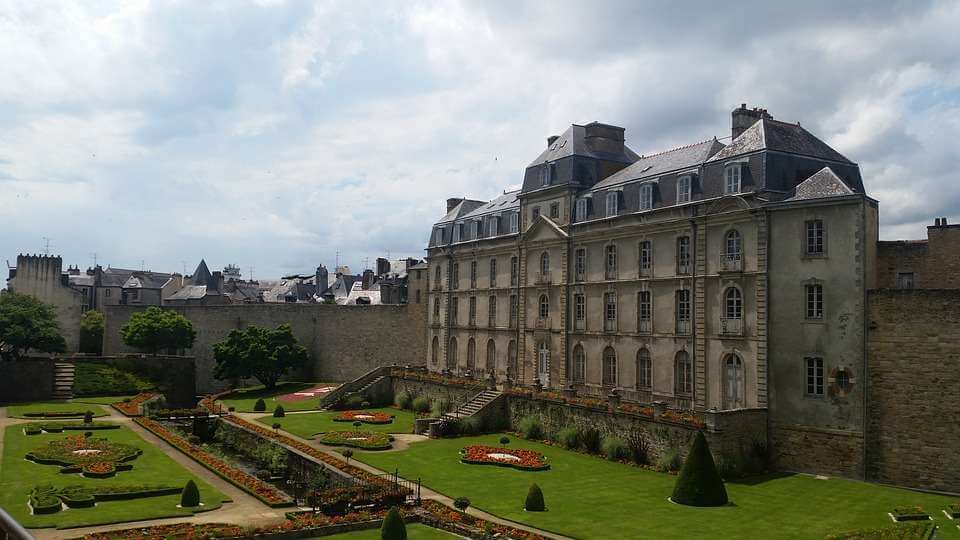
Vannes in Roman times was the capital of the Veneti tribe, one of Gaule’s most powerful tribes. The town was built as an amphitheatre at the highest point of the tidal flows near the head of the Morbihan Gulf. The old town is surrounded by remparts which protect the old half timbered houses with granite ground floors. The market hall is named “La Cohue”, and its upper floor served as the ducal law court until 1796, then as the market till 1840. Saint Pierre Cathedral was built of robust granite in Breton flamboyant style during the 15th century. Facing Vannes, the Gulf of Morbihan is a small inland sea where the tides, boats, and countless islands blend to make some of the most fascinating scenery in Brittany. Nantes: check-in at hotel for 2 nights Full day drive around 3h – 160 miles.
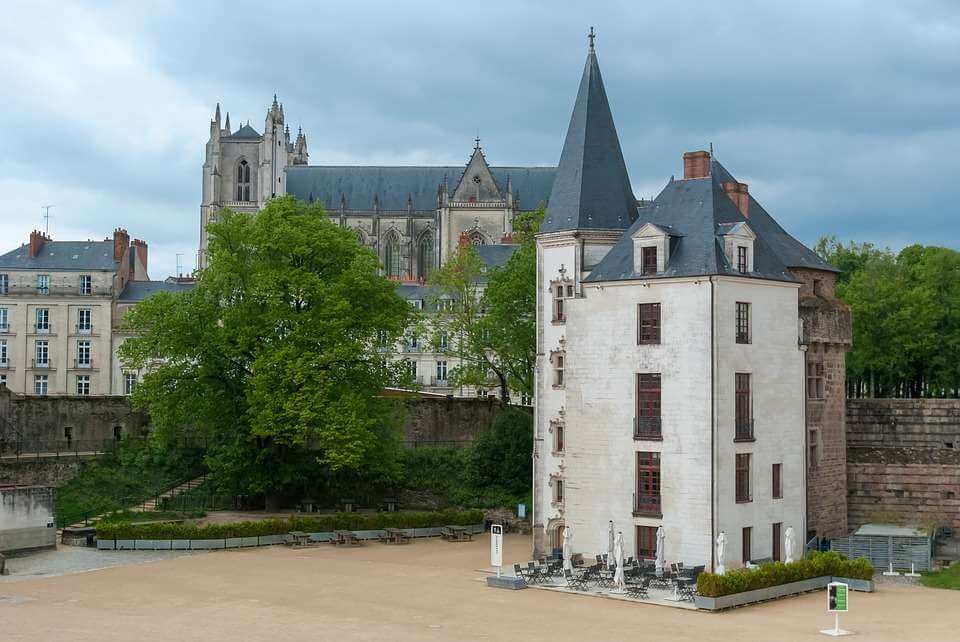
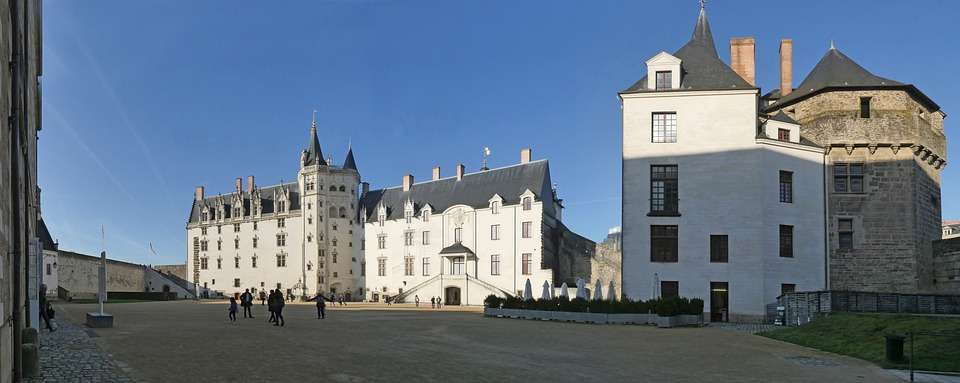
Full day visit to Nantes, the capital of the Pays de La Loire Region and the 6th largest city in France with slightly over 300,000 inhabitants. Its Breton history and culture is best illustrated by the medieval Chateau of the Duke of Brittany , which is now a local history museum and its multimedia exhibits make it worth visiting. Entrance to the courtyard and to the remparts are free of charge.
The “Machines of the Isle” is an interesting project which is now making Nantes quite unique and famous. It is an amusement park of sorts inspired by Jules Verne and Leonardo da Vinci, and its uniqueness makes it hard to describe. The Giant Elephant which can take you around the old shipyards is one of its famous symbols.
The “Isle de Nantes” is another new development project. It is interesting to stroll through the city center and along the River, through the Parc de Beaulieu, along the Quai des Antilles, and among the many bars, restaurants, and terraces to be found there.
The “HAB Gallery” is a huge warehouse converted from an ancient hanger for bananas. It has a variety of bars and clubs with music and concerts, The Cathedral Saint Pierre and Saint Paul of Nantes, the Basilica of Saint Nicholas and the Eglise Sainte Croix with its bell tower, are also all worth a visit. For those who love food and farmers markets, you should not miss the Marche de Talensac. Passage Pommeraye is a gilded arcade from 1843, an old time shopping mall. Along the River Erdre is the RIverside Neighborhood, a Bohemian area with waterside bars, houseboat restaurants,and creperies with crepes of buckwheat Galettes reminding you of the Breton gastronomy. A 3-hour cruise along the estuary of the Loire will take you all the way to Saint Nazaire, passing industrial areas, fishing villages, wetlands with the local wildlife, containers, and shipyards.
Following breakfast your tour of Brittany comes to an end. You could fly back to Paris Charles de Gaulle and take a connecting flight to the US. You can also take the train which usually goes Gare d’Austerlitz. The train ride may vary between 2 ½ and 5 hours. You could also start to explore the Loire Valley add a few more days to visit the regions famous for its royal chateaux.
This sample tour is just an example of a specific itinerary related to the country we just described to give you an idea of what is available in that country when you travel.
All our trips are tailor-made and we are at your disposal to plan your trip in consideration of how many people will be traveling, how many days you wish to travel, the season, the standard and the location of the hotels, the amount of meals you wish to include, the guided tours or experiences which will show you not only the “must see” landmarks but also the special interest sites and events you will love that are off the beaten track.

Francoise is the president and founder of Celestial Voyagers. She graduated with a tourism degree at Nice University in France and has worked as a tour director and operations manager in France, Australia and Mexico. Settling in New York City, she founded Celestial Voyagers with the aim of creating uniquely curated group travel for adults and Academia.