


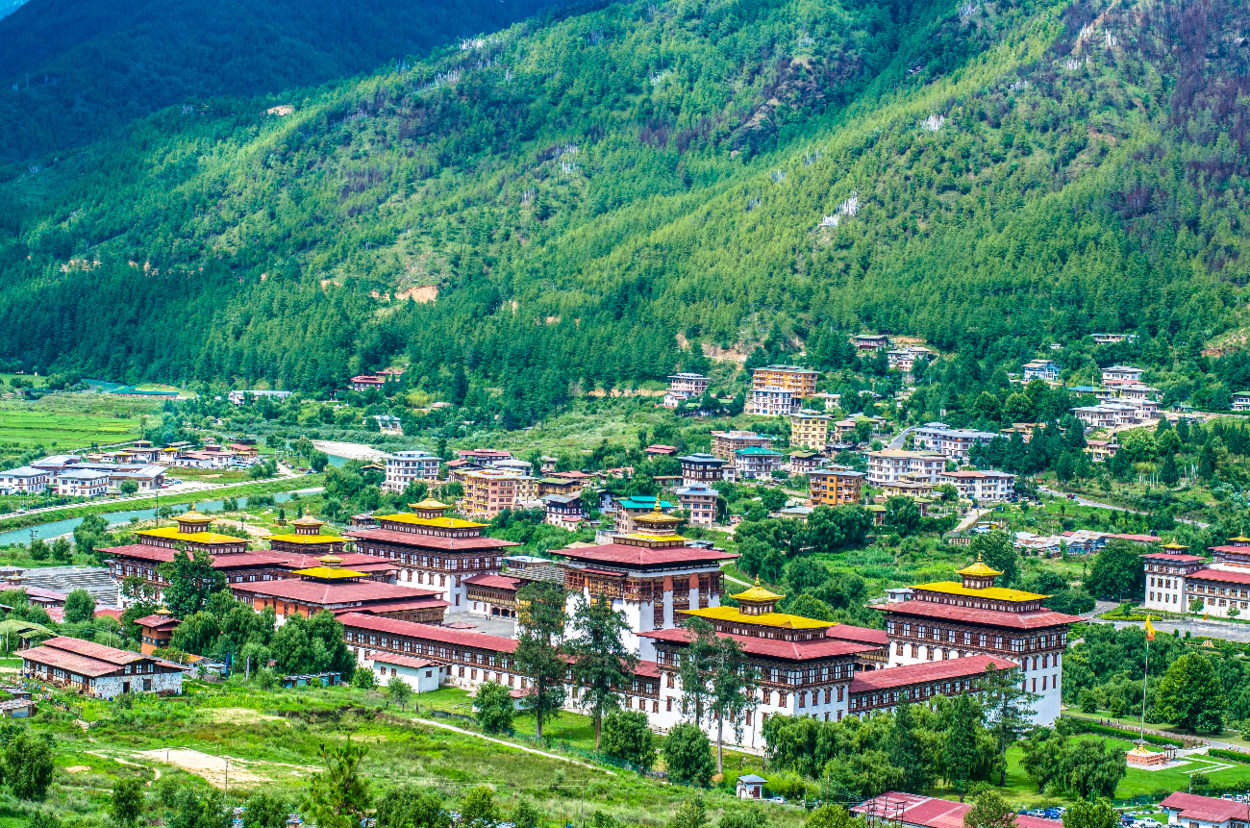
Bhutan, officially known as the Kingdom of Bhutan, is a landlocked country in the Eastern Himalayas. It is bordered by China to the north and India t o the south, east and west. Nepal and Bangladesh are close by but do not share common borders. The population is almost 800,000 and its territory covers 14,824 square miles. Bhutan is a unitary parliamentary constitutional monarchy and Vajrayana Buddhism as the state religion. In the seventh century AD Buddhism spread to Bhutan from the southern Pala Empire of Bengal. Bhutan also came under the influence of the Tibetan Empire and in the 17th century (1616-1634), Bhutan’s separate valleys were unified into one state. During this time, the leader, Ngawang Namgyal defeated three Tibetan invasions, subjugated rival religious schools, codified the Tsa Yig legal system and established a government of theocratic and civil administrators. He became the first spiritual leader (Zhabdrung Rinpoche) and his successors acted as the spiritual leaders of Bhutan like the Dalai Lama in Tibet. In 1627, Portuguese Jesuit missionaries became the first Europeans to visit the country. During the 17th century Bhutan controlled large portions of northeast India, Sikkim and Nepal. Bhutan ceded the Bengal Duars to British India during the Bhutan War in the 19th century. In 1949 India and Bhutan recognized each other’s sovereignty. Its 2008 constitution established a parliamentary government with an elected National Assembly and a National Council. Bhutan’s official language is Dzongkha, which is being modernized. The Himalayan Mountains in the north rise from the lush subtropical plains in the south. Bhutanese Himalayas have peaks above 23,000 feet. The north, with its mountain chains, is cold and has snow year round. The other parts of the country have five seasons: summer, monsoon, autumn, winter and spring. The south has hot summers and cool winters, central and east sections are temperate and drier than the west which has monsoons, and hot summers and cool winters. The wildlife of the country is diverse and includes the Himalayan Takin. The country’s largest city is the capital, Thimphu. Fauna is diverse in both the southern lowlands and north in the Himalayan Mountain areas. In the south you will find the Bengal Tiger, Clouded Leopard, and Sloth Bear in the tropical lowlands and hardwood forests. In the north are the Timber Wolf, Antelope and Snow Leopard. Throughout the country there are fruit bearing trees and bamboo. Bhutan has 5400 species of plants. Its largest export industry is hydroelectric power to India, followed by organic farming with exports of Bhutan red rice to North America and Europe and apples and oranges to Bangladesh. Industry accounts for 22%. Fishing is mainly carp and trout.
Culture
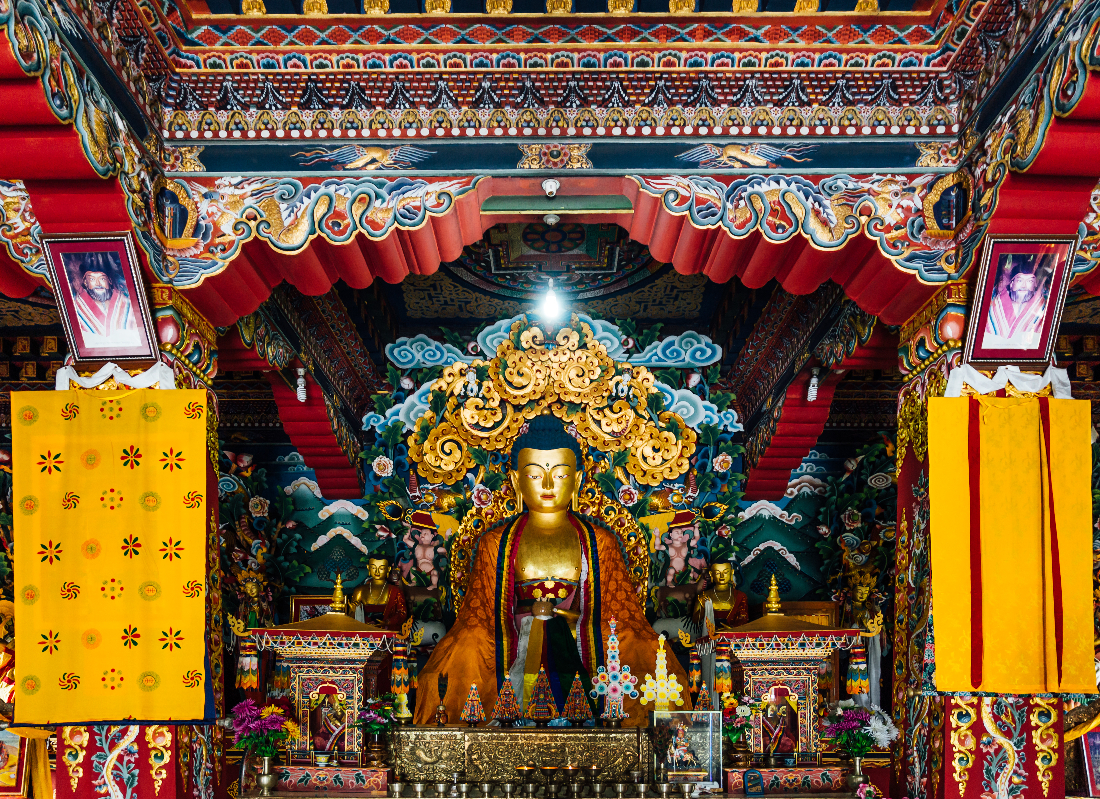
Bhutanese culture is rich and unique and has remained largely intact because of its geographic isolation until the mid 20th century. It is deeply steeped in its Buddhist heritage with Hinduism more prevalent in the southern part of the nation. National dress is the “gho” for men which is a knee length robe tied at the waist by a cloth belt called the “kera”. Women wear an ankle length dress called the “kira” which is clipped at both shoulders by two identical brooches called “koma”. Jewelry is frequently worn. Red is a favored color and colorful scarves symbolize social standing. Tobacco is banned nationwide. Architecture is traditional and unique employing rammed earth, wattle and daub methods augmented by stone masonry and intricate woodwork around the windows and roof. No nails or bars are used. “Dzong” is a type of castle fortress which serves as religious and administrative complexes. Dance dramas and masked dances such as the ”Cham Dance” are common traditional features at festivals. The dancers depict gods, heroes, demons, and animals and wear colorful wooden face masks and stylized costumes. Music is both traditional and modern with the traditional divided into religious and folk.
Bhutanese food staples are red rice, buckwheat and maize. Also eaten are pork, beef, yak meat, chicken and lamb. Soups and stews are made from meat and dried vegetables and spiced with chilies and cheese. “Ema datshi ” made with very spicy chilies and cheese is the national dish. Dairy foods are cheese and butter from yaks and cows. Favorite foods are:
Ema Datshi
Shakam Datshi dried beef simmered in cheese and butter
Kewa Datshi Chilies with potato
Jasha Moroo Spicy chicken stew
Phaksha Paa Pork with red chilies
Bhutanese Butter Tea
Zow Shungo Vegetarian dish
The City of Paro
Paro has a 12,000 population and is located in a beautiful valley containing some of the oldest temples and monasteries
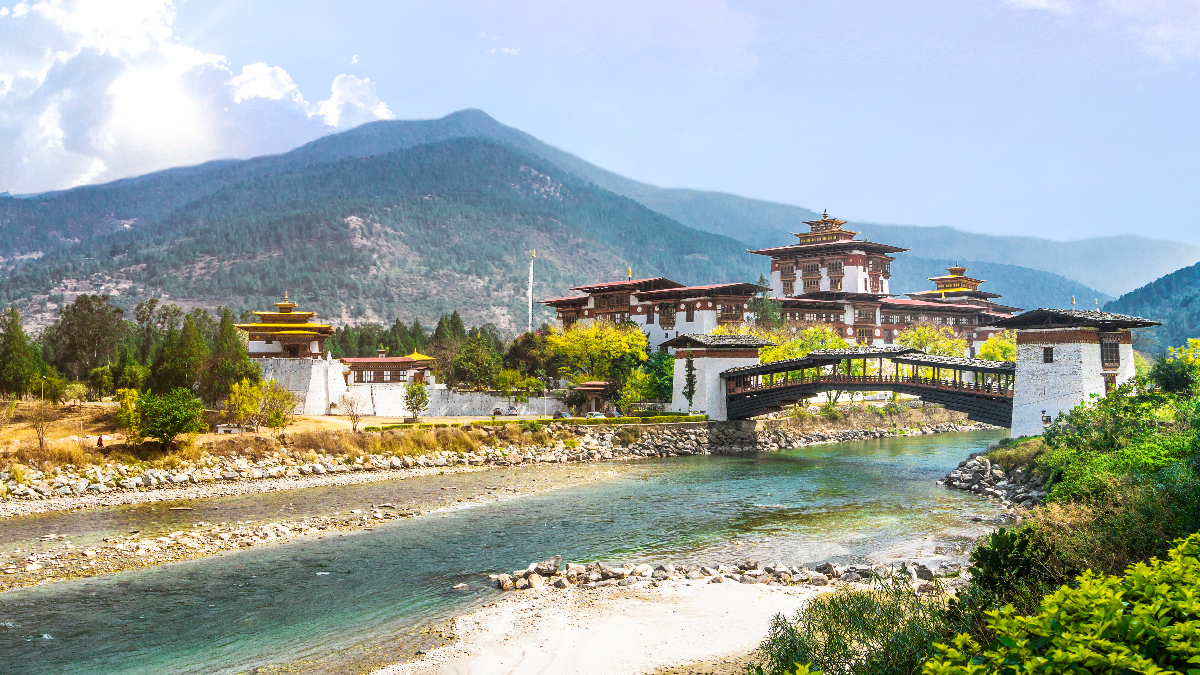
Rinpung Dzong A monastery fortress
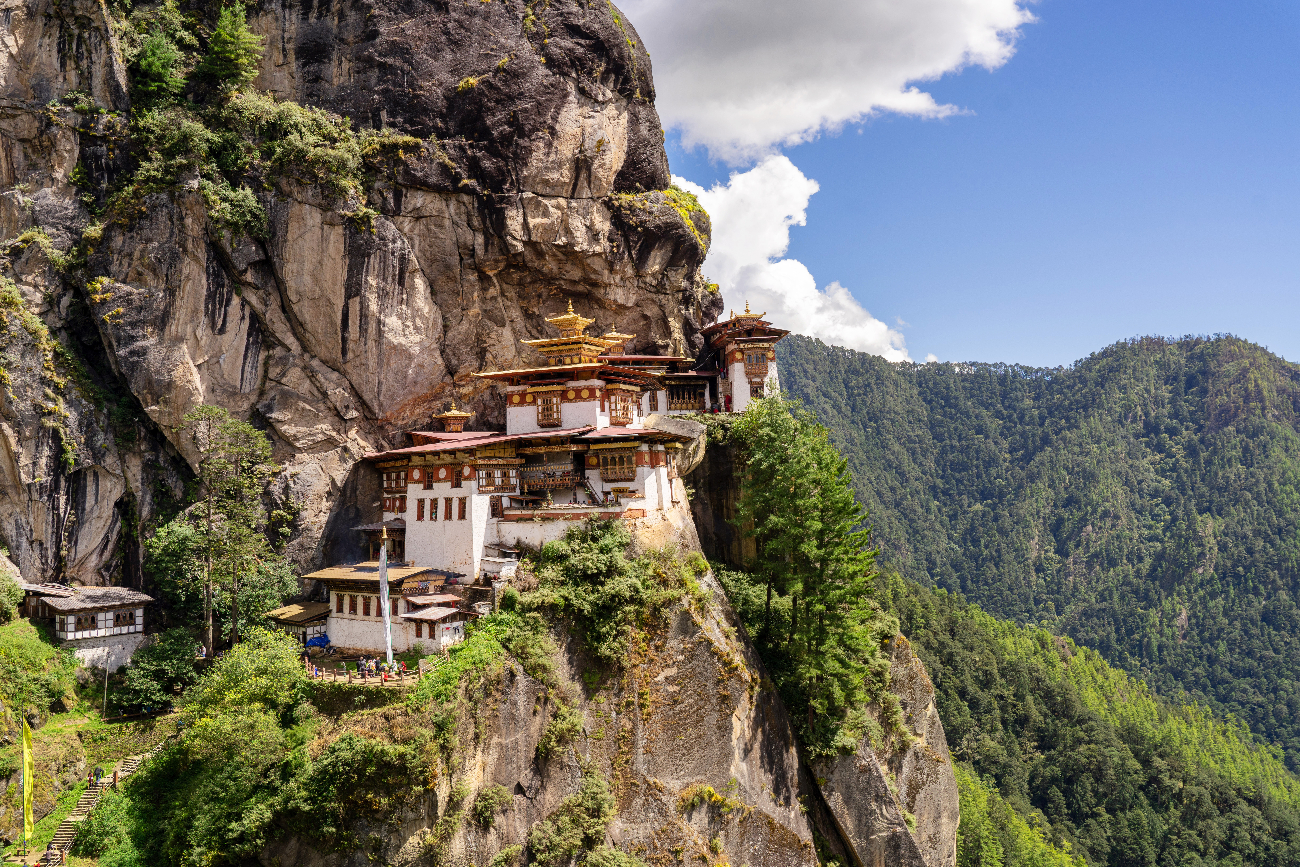
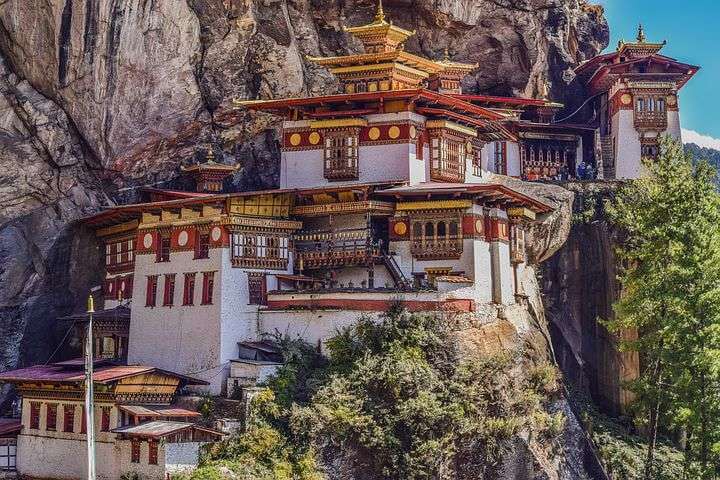
Taktsang Monastery (Tiger’s Nest Monastery) Built on the face of a cliff.
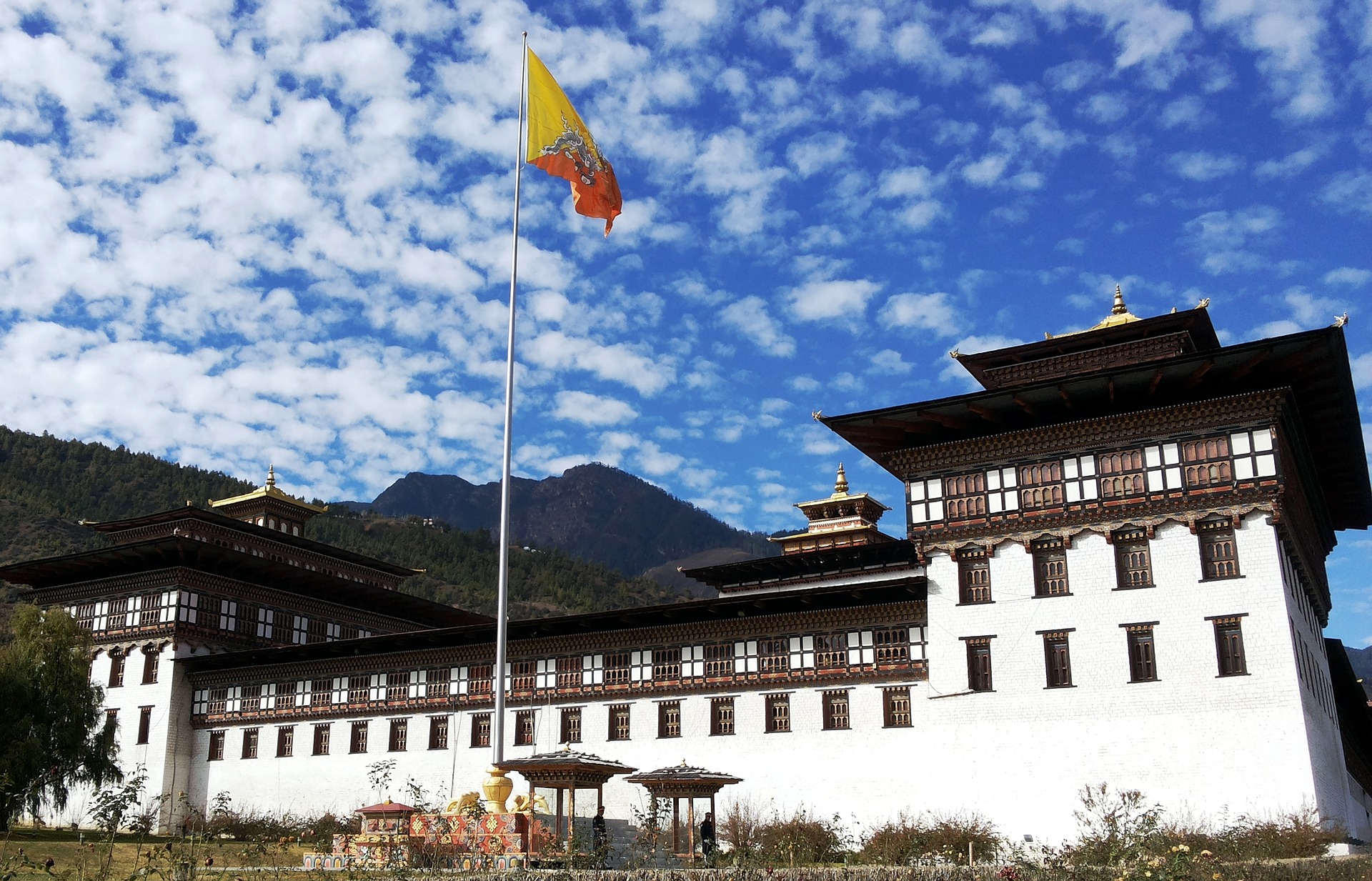
The City of Thimphu
Thimphu is the capital of Bhutan and has a population of 115,000. It is the center of government, religion and commerce.
Motithang Takin Nature Preserve
The City of Punakha
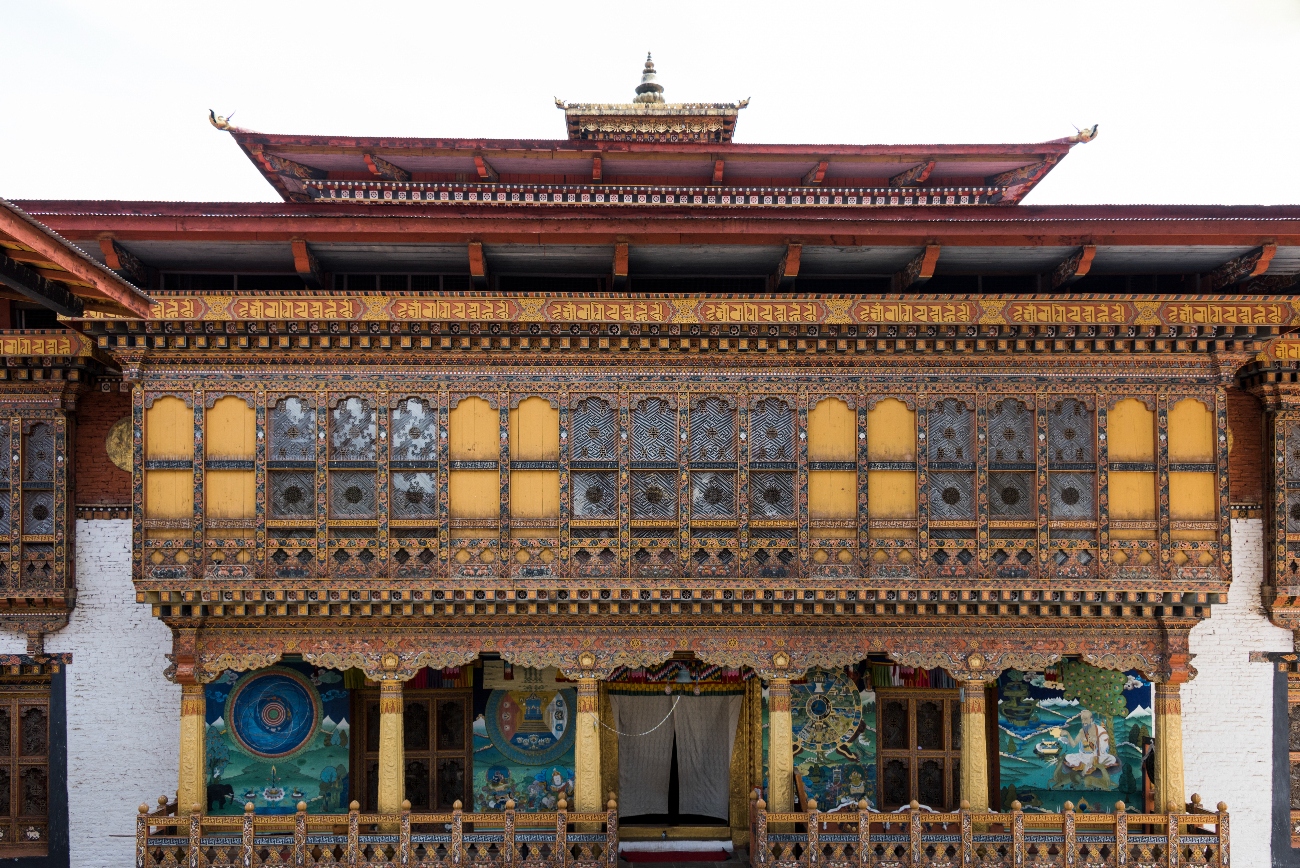
Punakha is the former capital of Bhutan and has warm winters and hot summers and is a popular tourist destination.
The Punakahad Zong (The Palace of Happiness) built in 1637.
Additional Tourist Attractions
Bumthang Valley Contains many religious structures and sites
Haa Valley Beautiful scenery and old temples including: the White and Black Temples.
No Tour Found