


Myanmar or Burma is officially called the Republic of the Union of Myanmar. It is a country in Southeast Asia bordered by Bangladesh and India to its northwest, China to its northeast, Laos and Thailand to its east and southeast and the Andaman Sea and Bay of Bengal to its south and southwest. Myanmar is the largest country in Southeast Asia with a population of 54 million. Its capital city is Naypyidaw, and its largest city is Yangon (Rangoon). The country encompasses 262,000 square miles. Early civilizations in the area included the Tibeto-Burman speaking Pyu, City States in Upper Myanmar and the Mon Kingdoms in Lower Myanmar. In the 9th century CE, the Bamar people entered the area and established the Pagan Kingdom in the 1050’s and the Burmese language, culture and Theravada Buddhism became dominant in the country. The Pagan kingdom built over 10,000 Buddhist temples in the capital zone alone. The kingdom fell to Mongol invasions and several warring states emerged. In the 16th century reunified by the Taungoo dynasty, the country briefly became the largest empire in the history of Southeast Asia. In the 19th century the British East India Company seized control of the administration of Myanmar and the country became a British colony. Myanmar was reclaimed from the Japanese after World War II and granted independence in1948. Following a coup d’etat in 1962 it became a military dictatorship. In 2011 the military junta was dissolved and the democratic leader Aung San Suu Kyi was released and after an election a democratic government came to power. On February 1, 2021 the military again seized power. For decades the government has fought wars with various ethnic groups and with no conclusion. The country has great mineral wealth.
Archeological evidence shows that Homo erectus lived in the region as early as 750,000 years ago with no more erectus finds after 75,000 years ago. The first evidence of Homo sapiens is 25,000 years ago with the discovery of stone tools in central Myanmar. Neolithic age domestication of plants and animals and the use of polished stone tools date sometime between 10,000 and 6,000 BCE. Cave paintings have also been discovered in Padah-Lin Caves. The Bronze Age arrived in 1500 BCE when people began turning copper into bronze, growing rice and domesticating animals. The Iron Age began around 500 BCE with the emergence of iron-working settlements and rice growing farms in an area south of present day Mandalay.
Biodiversity is extensive in Myanmar. With 16,000 plants, 314 mammals 1,131, birds 293 reptiles, 1398 amphibian species and 64 territorial ecosystems including tropical and subtropical vegetation.
Demographics: Myanmar is ethnically diverse. The government recognizes 135 distinct ethnic groups. The Baman people are about 68% of the population, 10% are Shan, 7% Kayin and the Rakhine 4%. There are over 300,000 refugees forced out of Burma with most being Rohingya Muslims that have fled to Bangladesh.
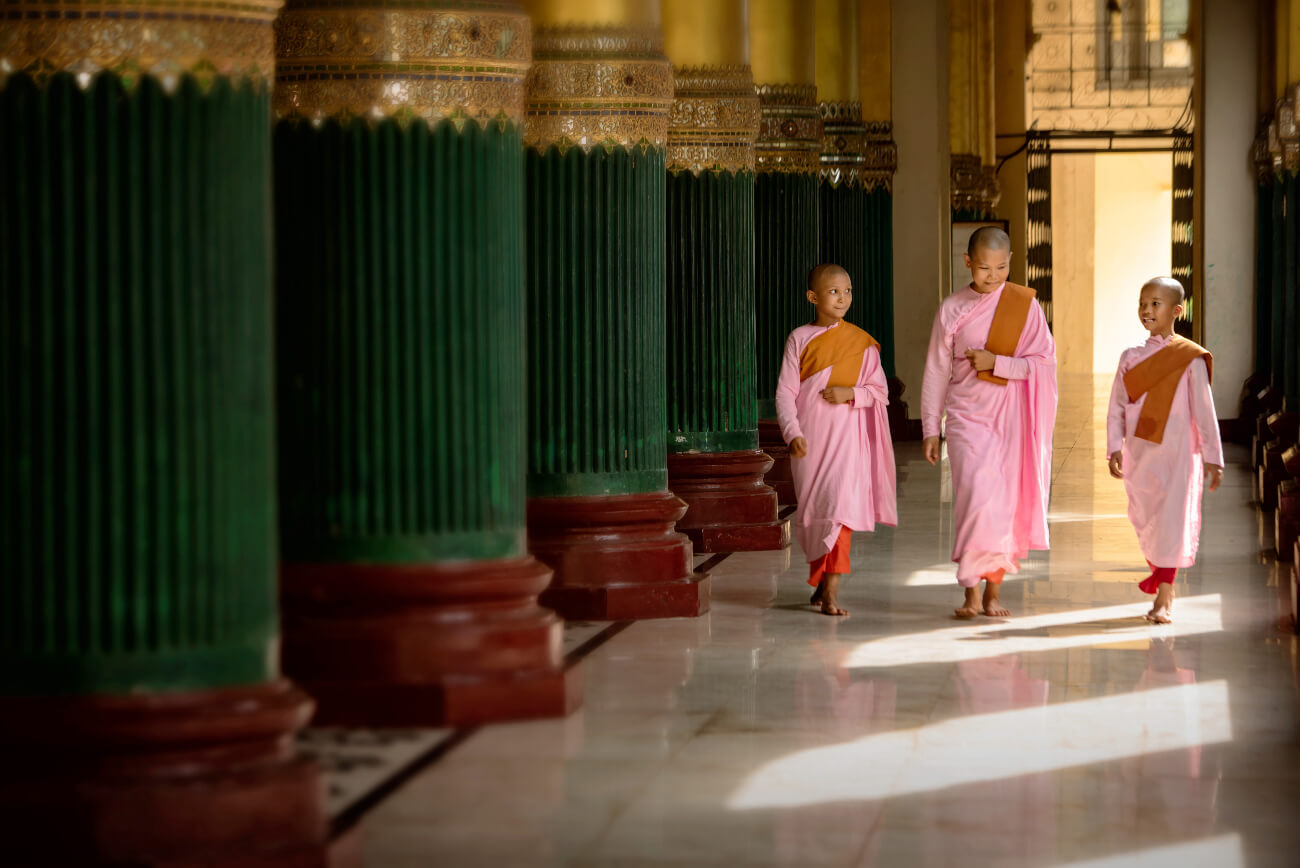
Culture: A diverse range of indigenous cultures exist in Myanmar, with the main culture primarily Buddhist. In a traditional village, the monastery is the center of cultural life. Monks are venerated and supported by lay people. A ceremony called shinbyu is the most important coming of age event for a boy, during which he enters the monastery for a short time. Girls have ear piercing ceremonies at the same time. Culture is most evident in villages where local festivals are held year round. The most important one is the pagoda festival.
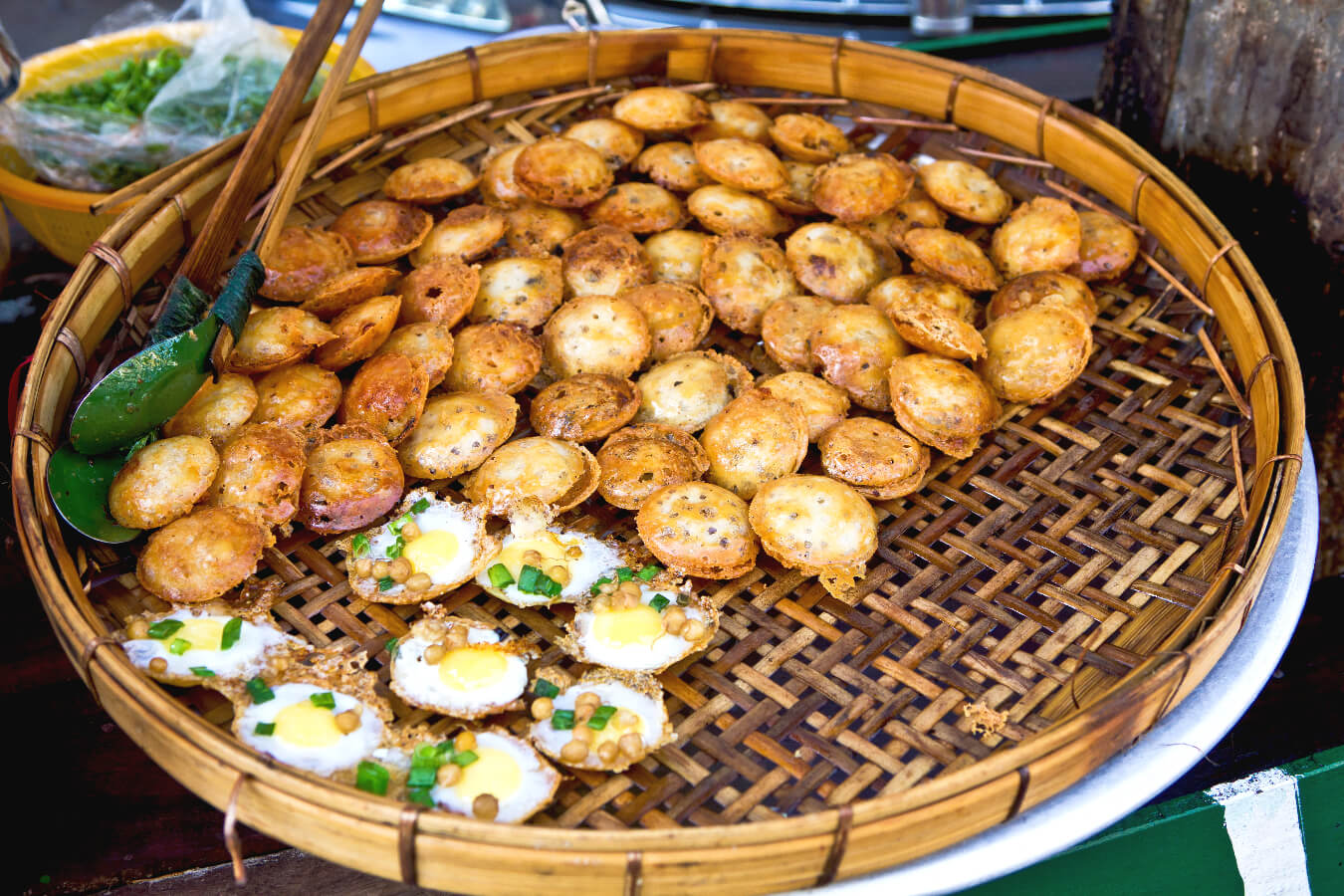
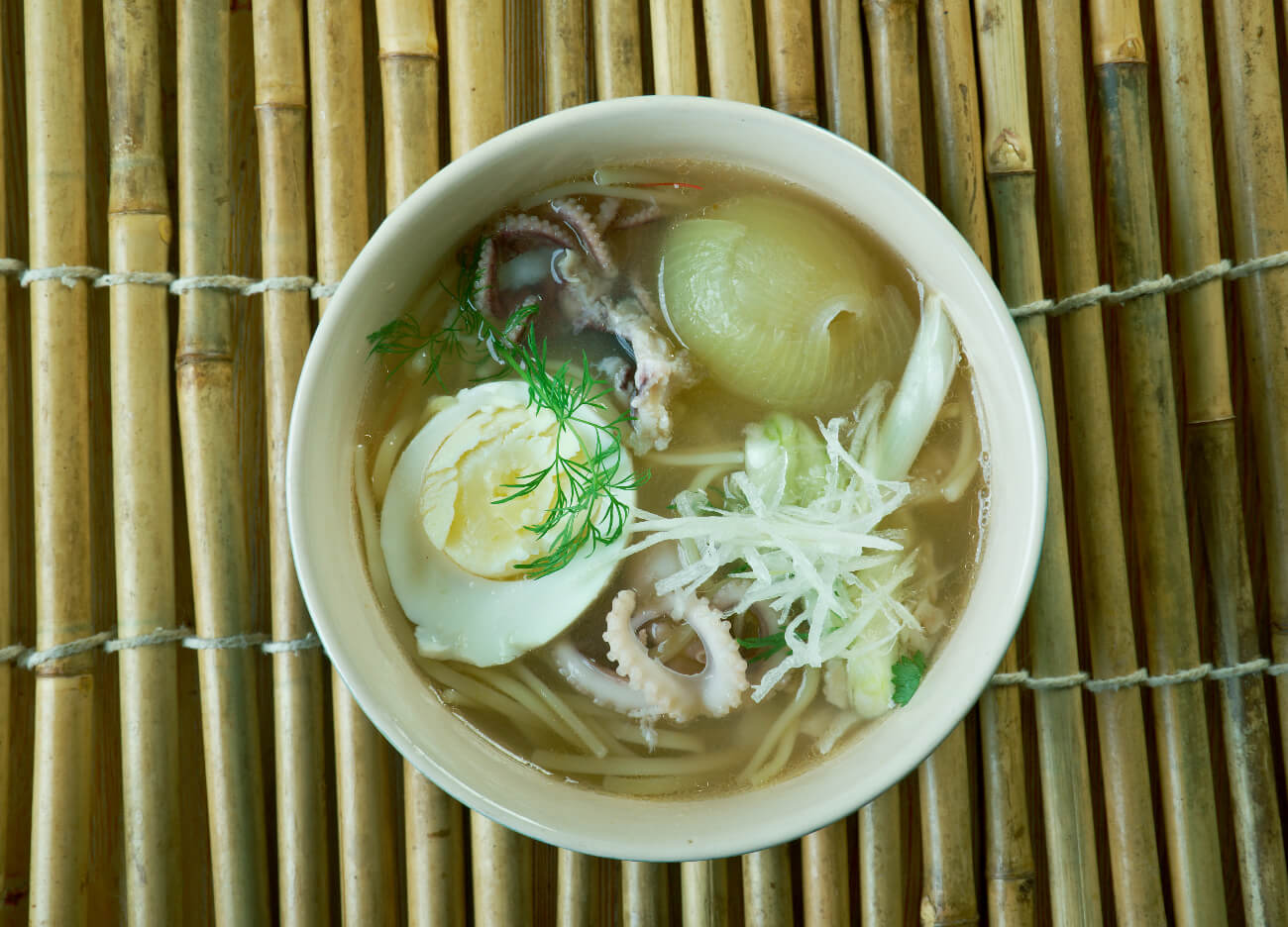
Cuisine Burmese cuisine is characterized by extensive use of fish products such as fish sauce, ngapi, and dried prawn. Mohinga is the traditional breakfast food and is Myanmar’s national dish. Seafood is a common ingredient in coastal cities, while meat and poultry are more commonly used in landlocked cities like Mandalay. Burmese cuisine also includes a wide variety of salads centered on one major ingredient, ranging from starches like rice, wheat and rice noodles, glass noodles and vermicelli to potato, ginger, tomato, kaffir lime, long bean and pickled tea leaves.
Major Cities
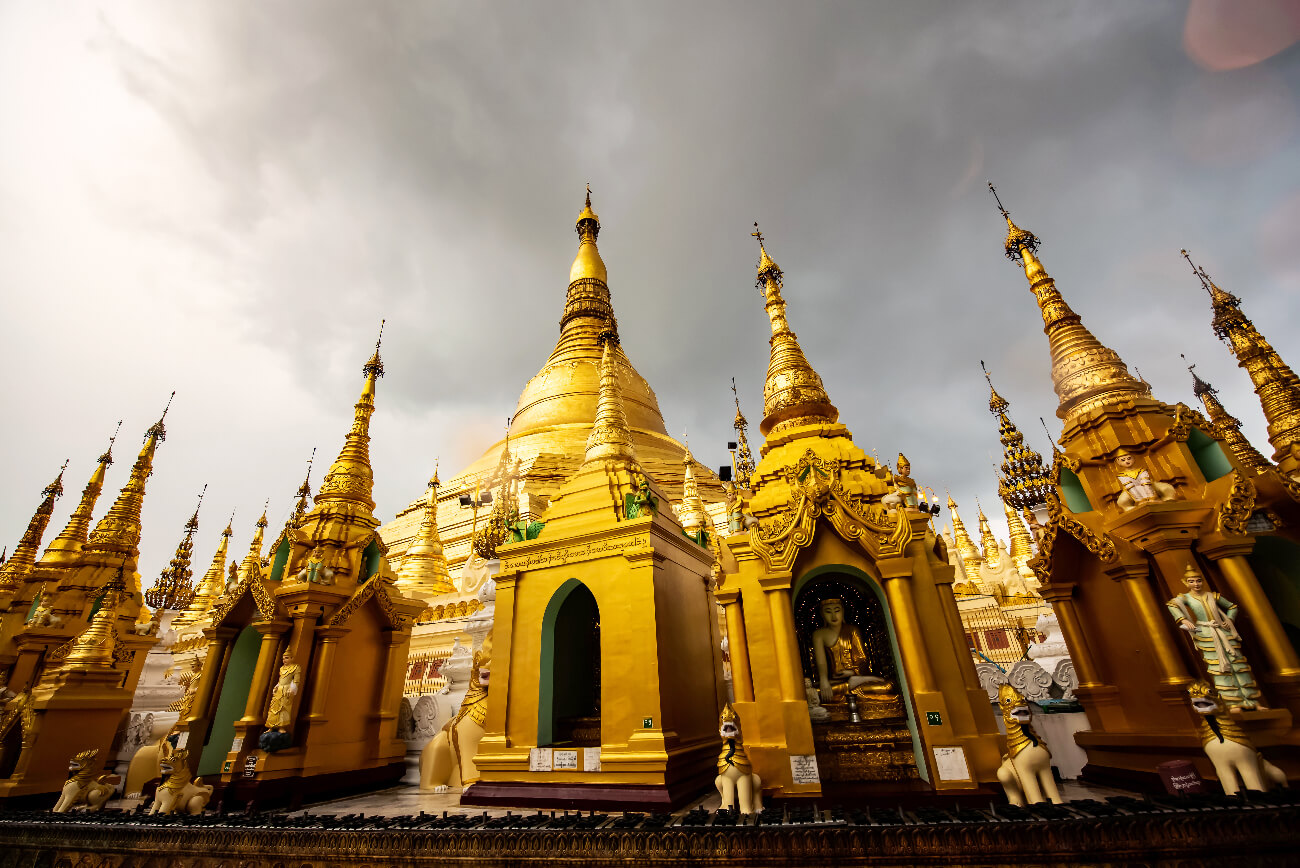
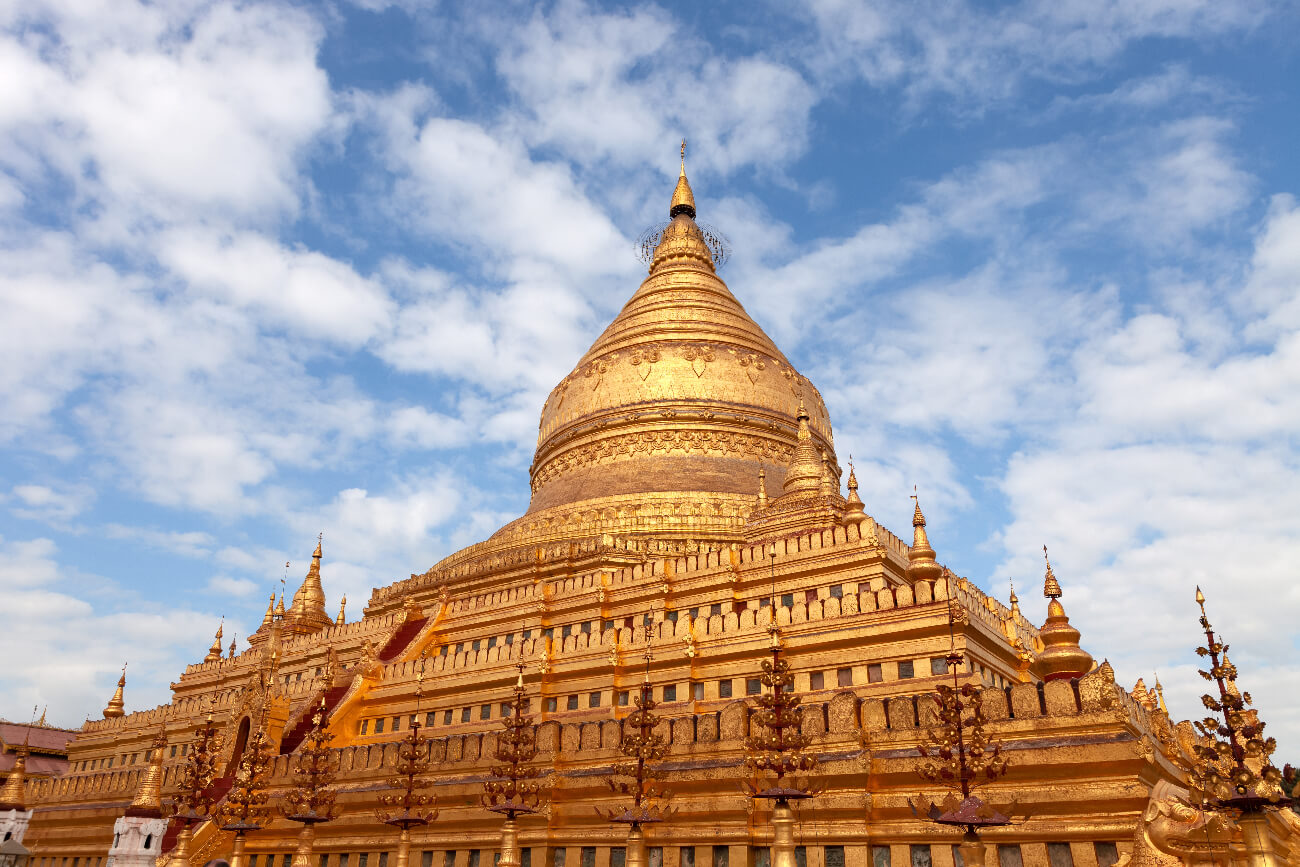
Yangon (Rangoon) is located in lower Burma at the convergence of the Yangon and Bago Rivers and 19 miles from the Gulf of Martaban. Its climate is tropical monsoon with a wet season from May through October and a dry season from November through April. The capital of the Yangon Region and the largest city of the country with over 7 million residents, its name means “End of Strife”. It was the capital until 2006 when the military government relocated the administrative functions to the purposely built new capital city of Naypyidaw in north central Myanmar. Rangoon has the largest number of colonial-era buildings in Southeast Asia and has a unique colonial-era urban core that is remarkably intact and centered around the Sule Pagoda which is reputed to be over 2000 years old. Yangon is also the home to the gilded Shwedagon Pagoda– Myanmar’s most sacred and famous Buddhist pagoda. Yangon was founded in the early 11th century CE by the Mon people. In 1755, King Alaungpaya, the founder of the Konbaung Dynasty captured Dagon, enlarged the city and called it Yangon. The British captured the city during the First Anglo-Burmese war (1824-1826) but returned the city to Burmese rule after the war. The city was largely destroyed by a fire in1841. After the Second Anglo-Burmese War the British ruled Burma and totally rebuilt the city. Colonial Rangoon, with its spacious parks, lakes and mix of modern buildings and traditional wooden architecture, was known as the “garden city of the east”. By the early 20th century Yangon had public services and infrastructure on par with London. After independence in 1948, Yangon has expanded with successive governments building satellite towns such as Thaketa.
Things to See:
Shwedagon Pagoda with its golden stupas
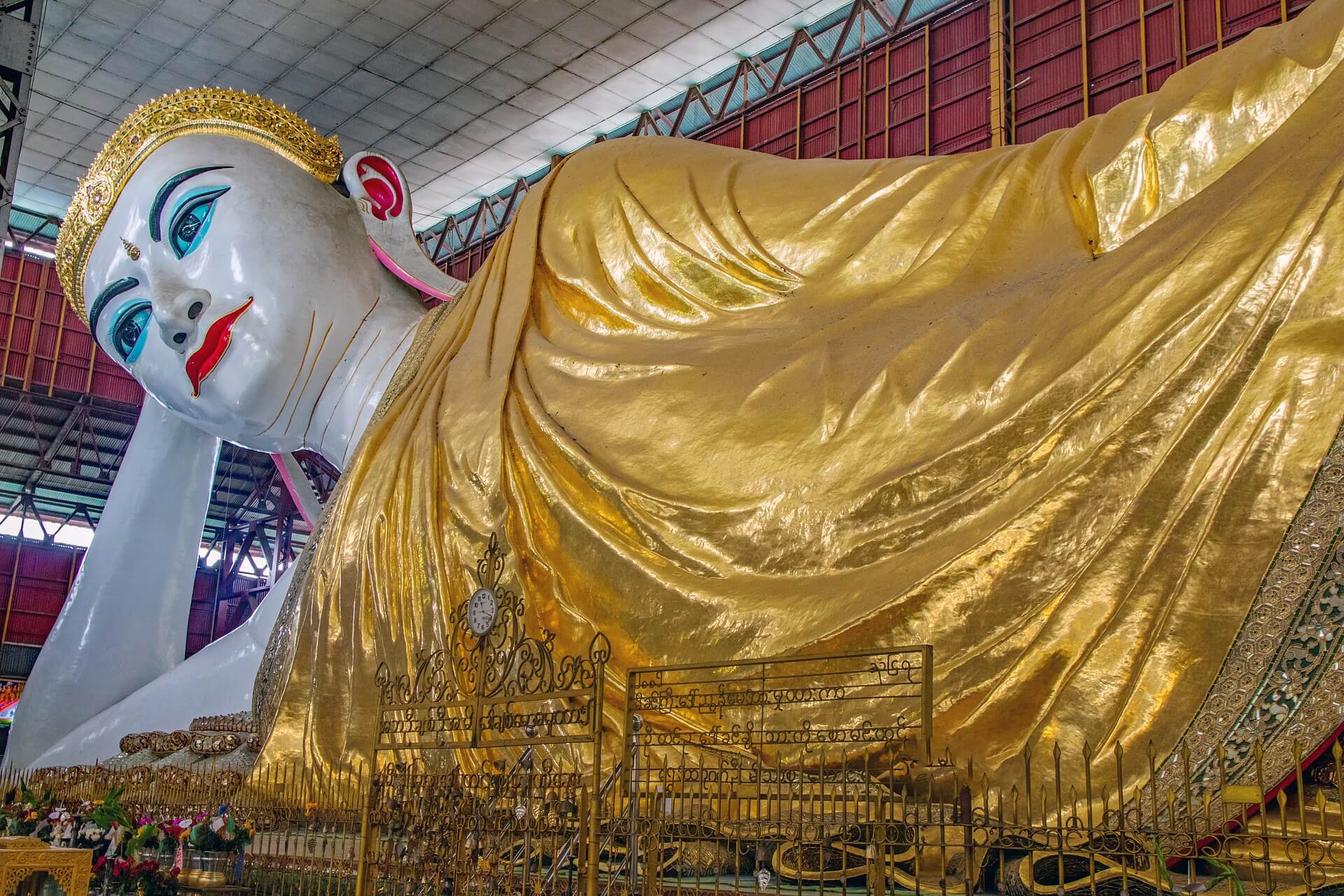
Chaukhtatgyi Buddha The largest reclining Buddha.
Batahaung Pagoda exhibits a hair of the Buddha.
U Thant House and Museum Home of the international statesman and Secretary General of The United Nations.
The Secretariat A large group of colonial government buildings built between 1889 and 1905
The National Museum A 5 story museum with a large collection of artifacts.
The Immaculate Conception Cathedral
Musmeah Yeshua Synagogue
Sule PagodaYangon
Circular Train an urban ride
The City of Bagan:
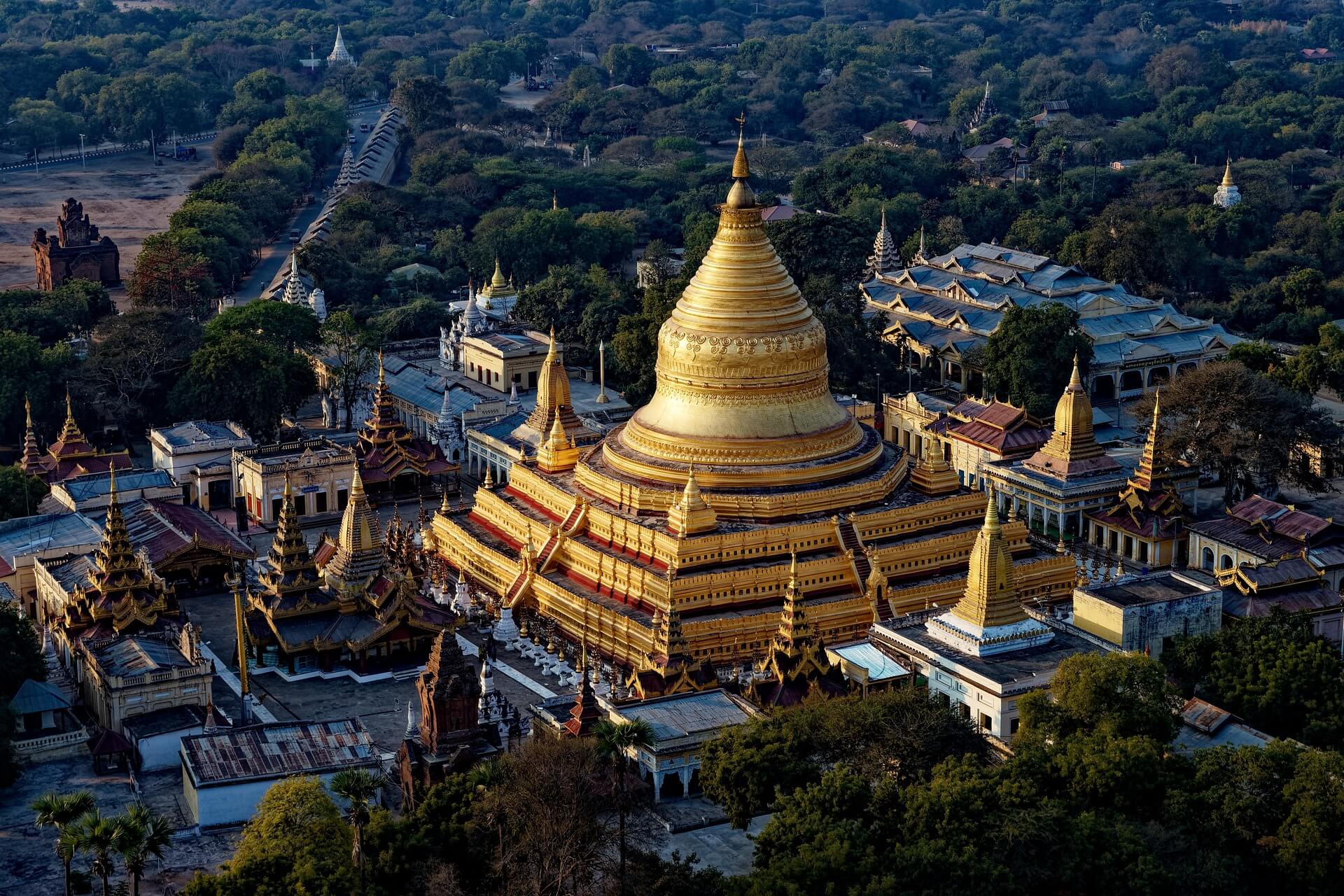
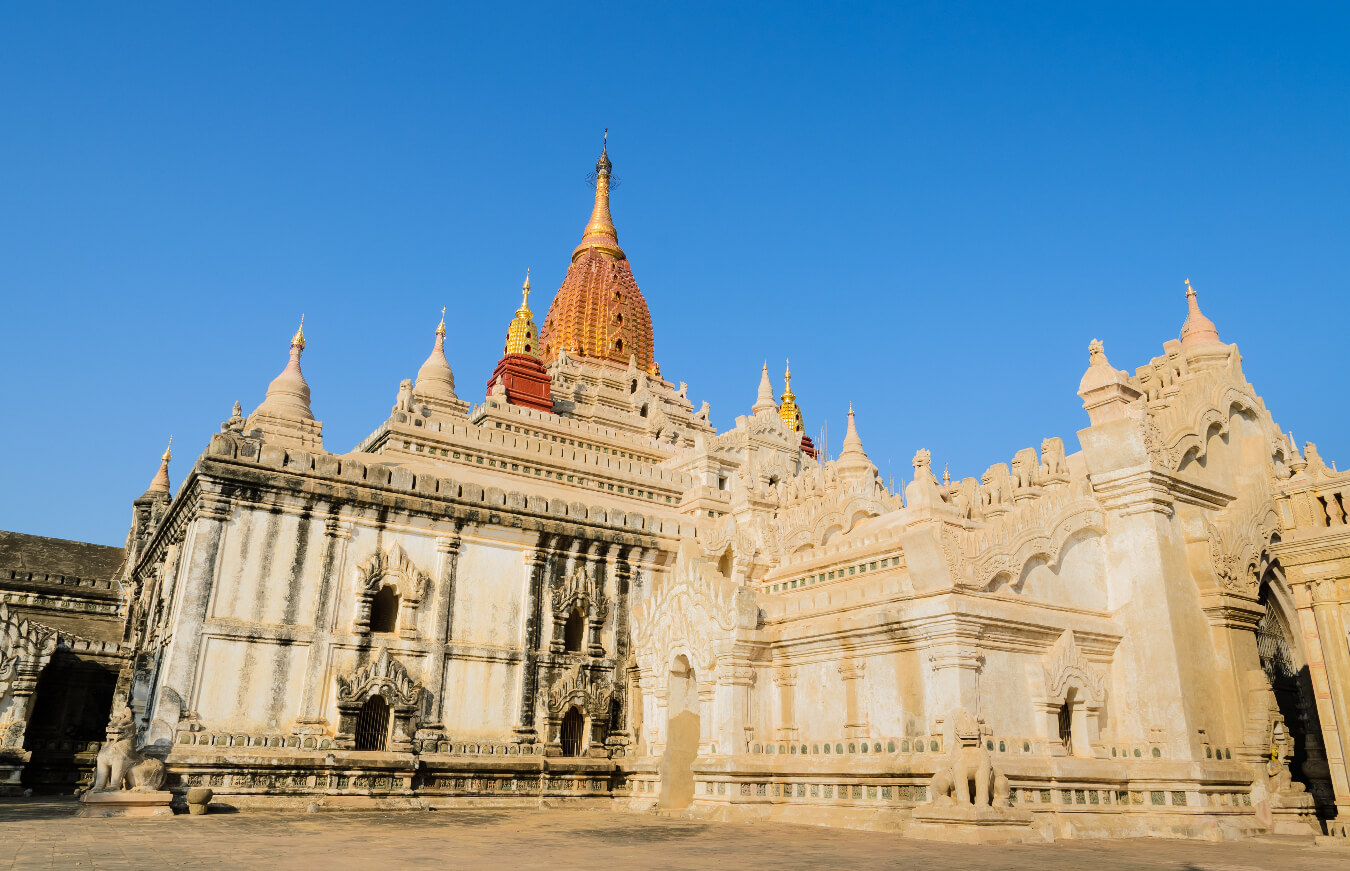
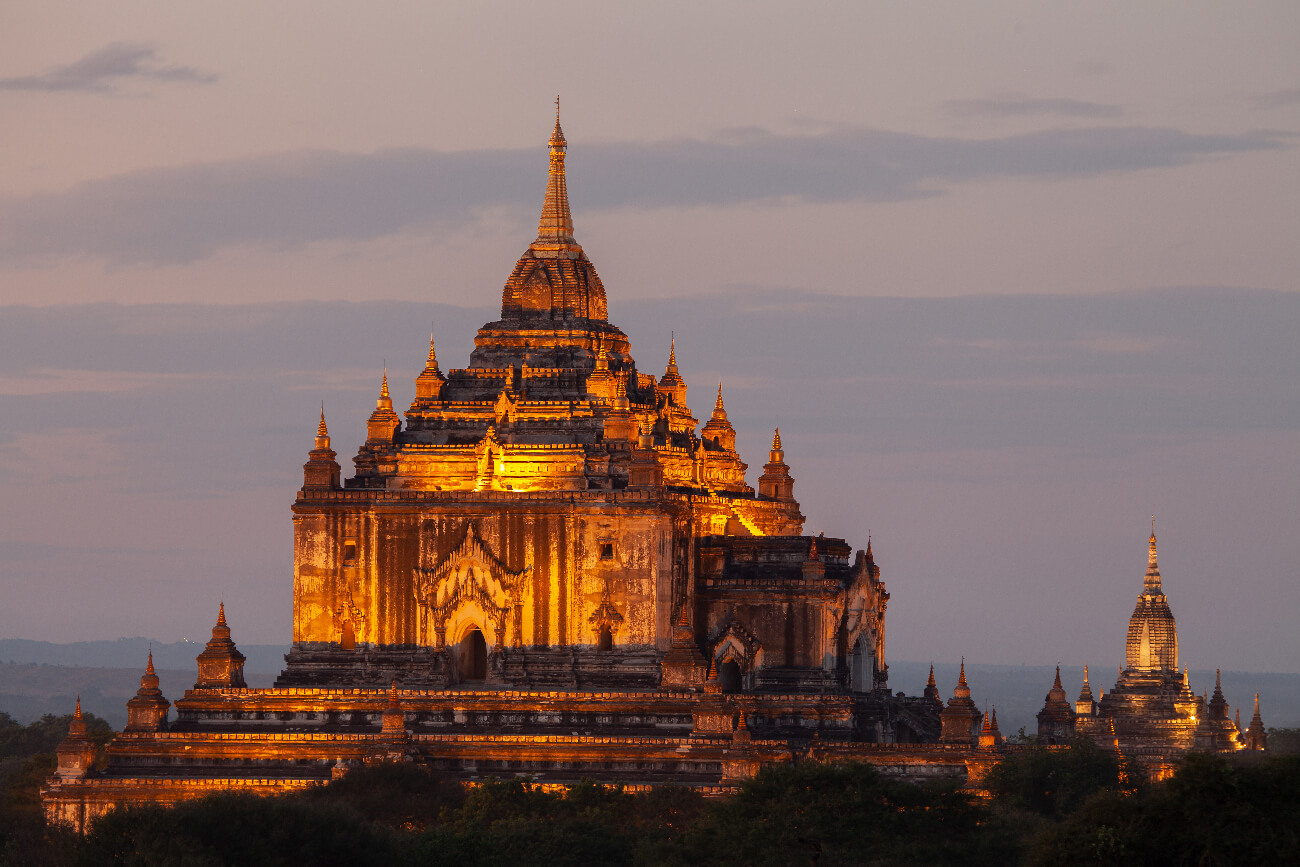
Bagan is an ancient city that was the capital of the first Burmese empire with archeological treasures built between the 11th and thirteenth centuries. It is located on the central plains which do not have a monsoon climate.
Things to See:
In its early civilization, more than 10,000 temples, monasteries, stupas and pagodas were erected within the relatively small area of Bagan. There are 3000 remaining, close to each other and easy to access.
The City of Mandalay
Mandalay is a 30-minute flight from Bagan. This city was once the capital of Myanmar founded in 1857. It has a population of 1,250,000 and located on the Irrawaddy River and is now a bustling city.
Things to See:
Kuthodaw Mahumani Buddha Image
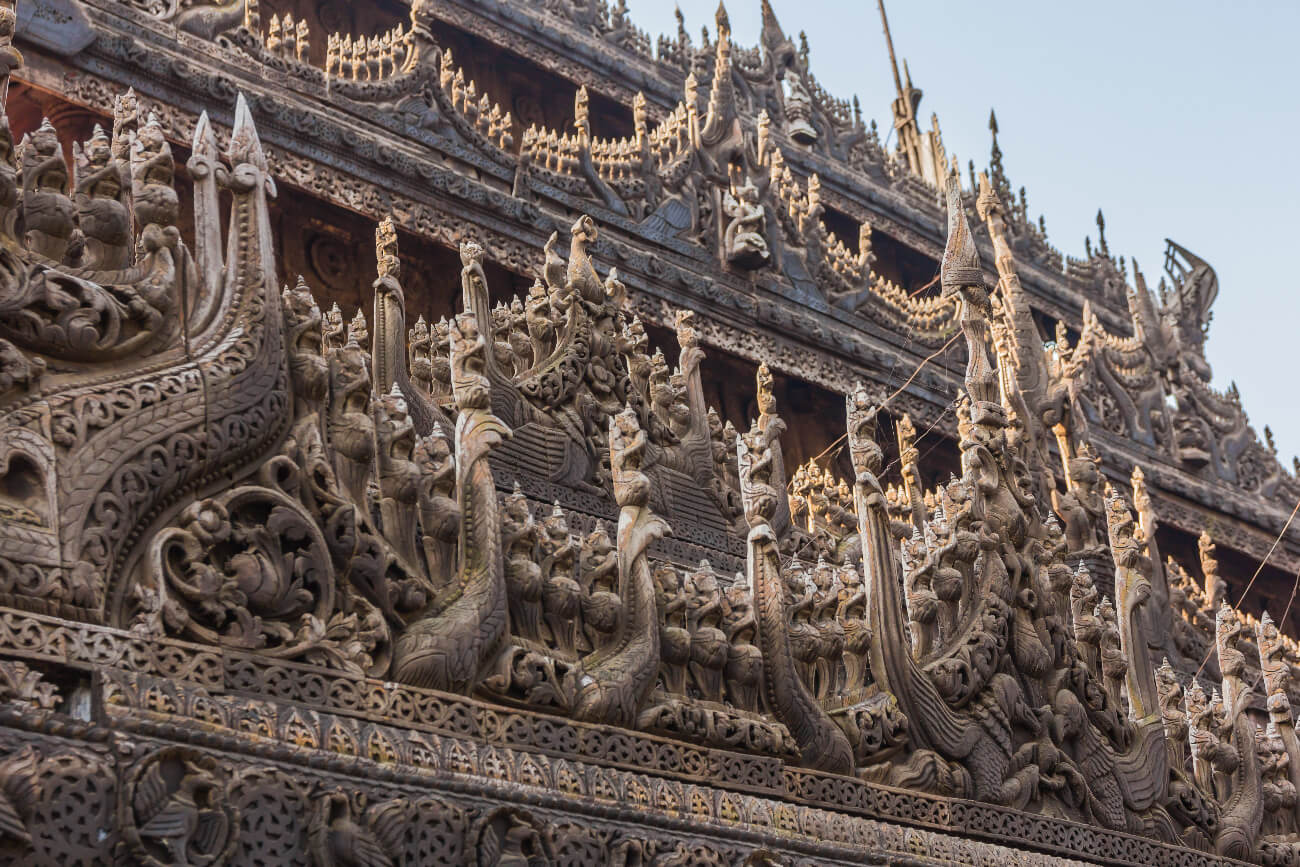
Shwenandaw
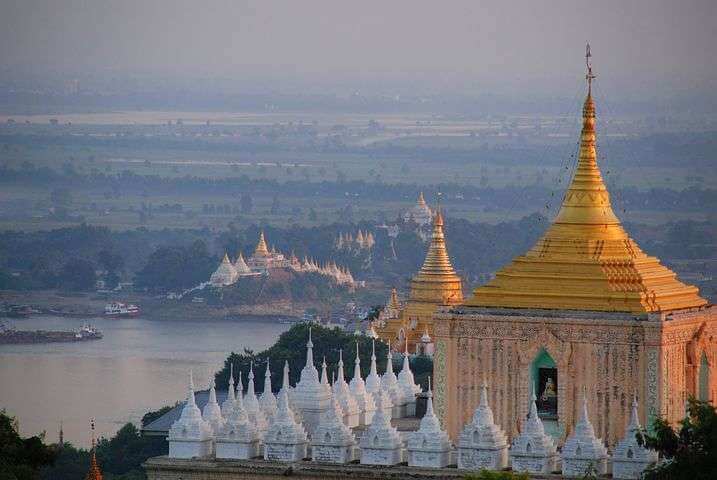
The sophisticated architecture of Nadayaly Hill
U Brein Bridge the longest teak wooden bridge
Inle Lake
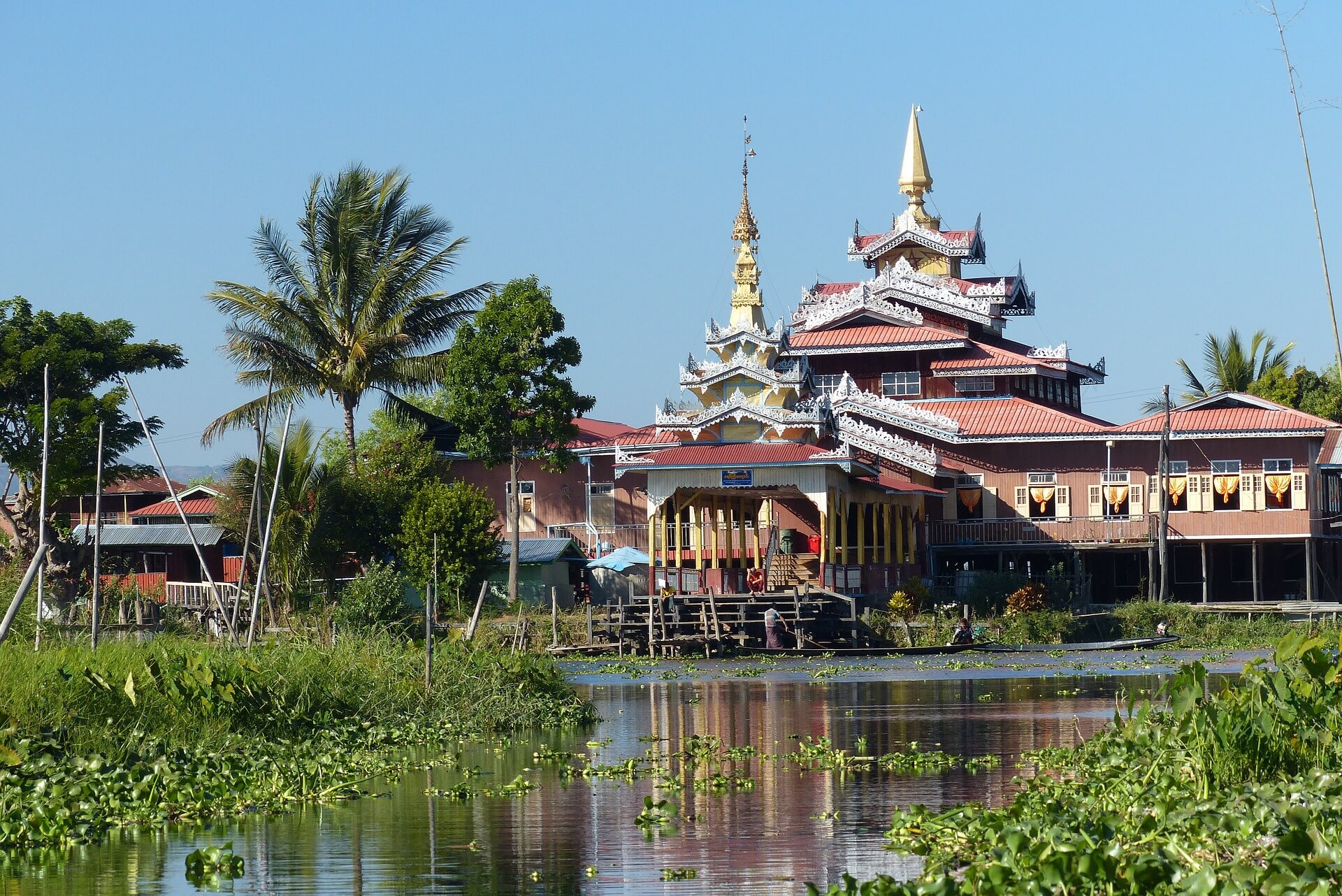
The second largest lake in Burma set in a pastoral setting. It is located in Nyaung Shwe Township in Shan State
Things to See:
Houses built on stilts in the water
Markets
Temples and monasteries
Ngapali
On the Bay of Bengal in Rakhine State
Things to do:
The endless stretch of white sand and palm trees
Resorts
Fishing villages
City of Kengtung Is the capital of the Golden Triangle Area in the far east of Shan State with rolling hills.
Things to See:
Remote Villages
Diverse Burmese ethnic tribes and culture.
No Tour Found