


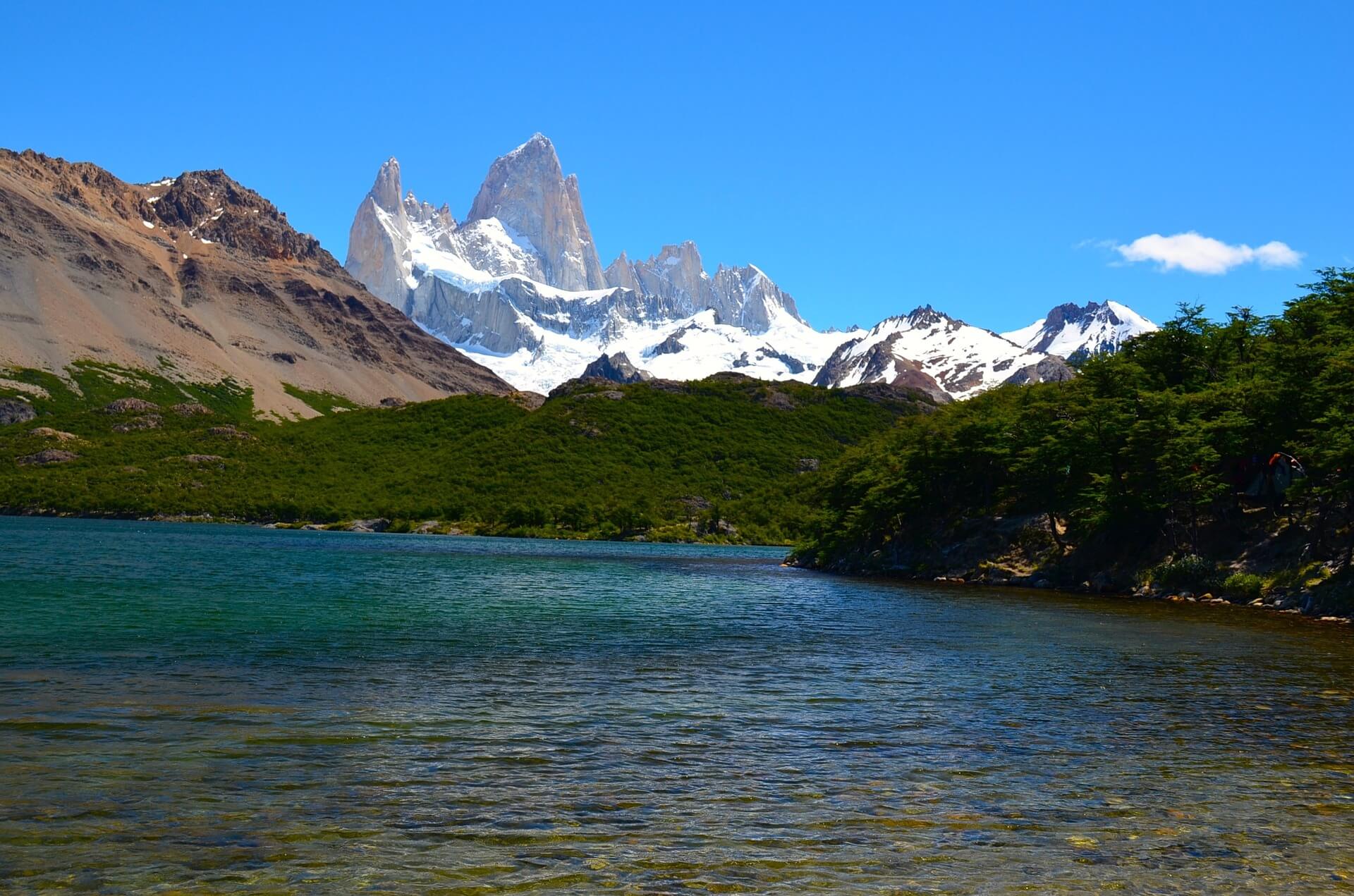
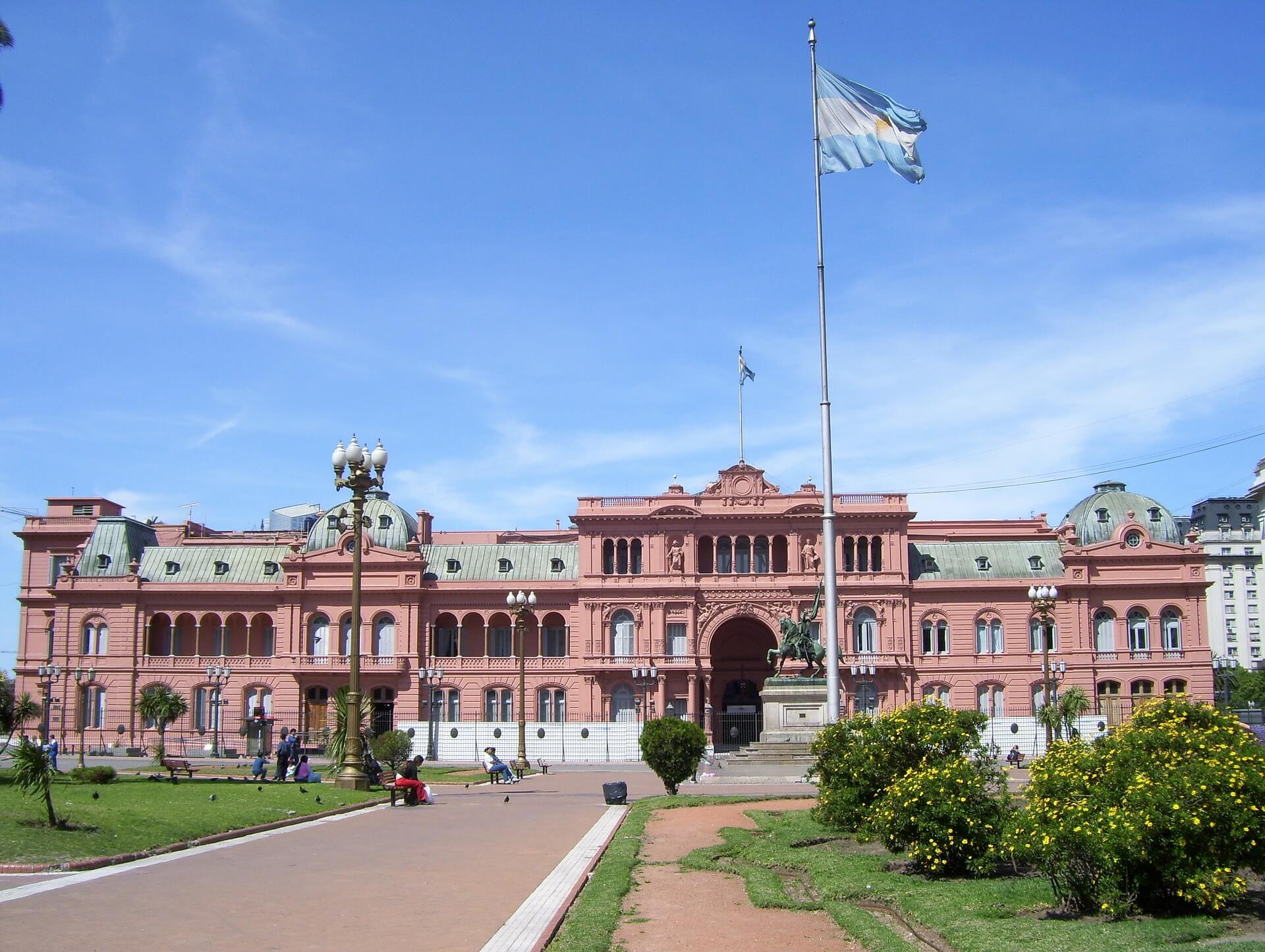
Argentina, a country of South America, covers most of the southern portion of the continent. It is the world’s 8th largest country by square miles and occupies more land than Texas and Mexico combined. It encompasses immense plains, deserts, tundra, and forests, as well as tall mountains, rivers, and thousands of miles of ocean shoreline. There are 36 indigenous groups in the country which are referred to as either Argentine Amerindians or Native Argentinians who total 1.5% of the population. The first people settled in what is now Argentina about 10,000 years ago. There was no Inca presence (except in the northwest) and by the time of the Spanish invasion (1536) there were numerous tribes living in all areas. Following three centuries of Spanish colonization, Argentina declared independence in 1816, and Argentine nationalists were instrumental in revolutionary movements elsewhere that prompted Jorge Borges to say “South America’s independence was, to a great extent, an Argentine enterprise.” The country’s name comes from the Latin word for silver which is argentum. Argentina does have valuable minerals but more important to its economy is the production of livestock and cereals. Before its economic difficulties, it ranked as one of the richest countries in the world. Much of this agricultural activity was and is set in the “Pampas’, a vast grassland area. The pampas was once the domain of nomadic tribes and then the domain of the famous Gauchos who were enshrined in the nation’s romantic literature. Even with its vast lands, Argentina is an urban centered country with its capital, Buenos Aires and suburbs sprawled across the eastern pampas. Buenos Aires is among South America’s most cosmopolitan and crowded cities and often likened to Rome or Paris for its nightlife and architecture. Its economy has drawn sustenance from Spanish and European settlers who arrived in the 19th and 20th centuries. Greater Buenos Aires is home to about 1/3 of the total population of the country-45,200,000- 97% of whom are white (Italian and Spanish). Its main language is Argentine Spanish and secondary languages include Italian, German, English and French.
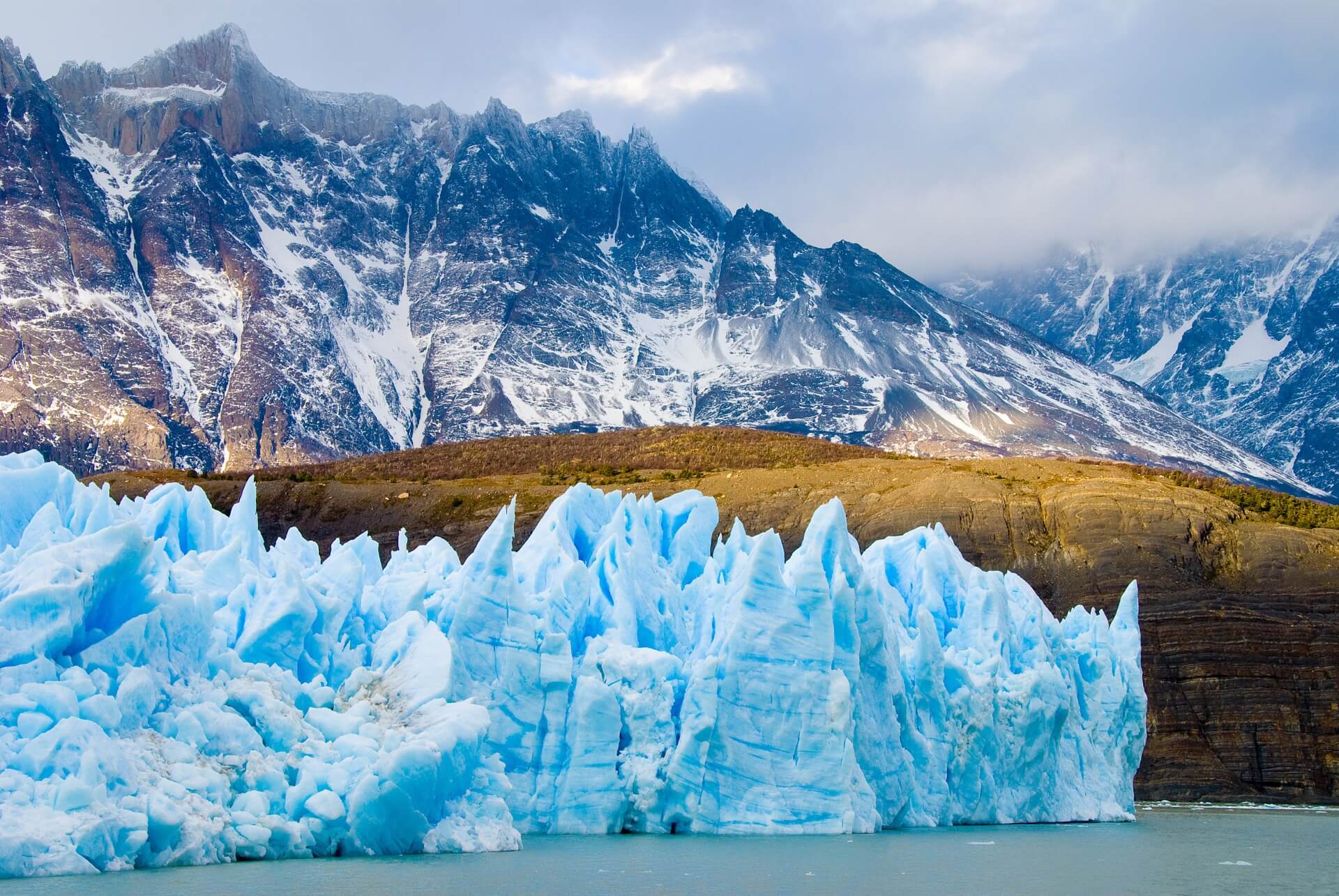
Argentina is shaped like an inverted triangle. It is 880 miles at its widest and 2360 miles at its longest from the subtropical north to the sub-Antarctic south. The country is bounded by Chile to the south and west, Paraguay and Bolivia to the north and Brazil, Uruguay and the Atlantic Ocean to the east. Its Atlantic coastline stretches almost 3000 miles. Argentina’s varied geography can be separated into four areas, the Andes, the North, the Pampas and Patagonia, forming most of the natural boundary with Chile. The Andes are mountains and valleys, the North is divided into the dry lowlands between the Andes and the Parana River and Mesopotamia. The centrally located plains or Pampas are grasslands subdivided into arid western and more humid eastern parts called respectively the Dry Pampa and the Humid Pampa. For Patagonia please see “Patagonia-the Country” on this website.
Extended families have great importance. The head of a powerful family is highly respected but he has the responsibility to take care of family members and operate with respect and honor. Honor must always be upheld. The constitution guarantees religious freedom. Roman Catholicism is the official religion. The people are open and blunt but also know how to be courteous and diplomatic. Initial greetings are formal and an individual is expected to say hello first to the head of the family/business or elders. Handshakes, with direct eye contact, show interest in the person and in the conversation.. When leaving, say goodbye to each person, not to the group.
Favorite Argentine Specialities
Chimichurri (salsa served with beef)
Provoleta (grilled cheese)
Matambre Arrollado (flank steak with vegetables)
Milanesa (Argentine like schnitzel)
Llama Steak
Carbonada (stew)
Medialunas (croissants)
Asado (grilled barbecued steak)
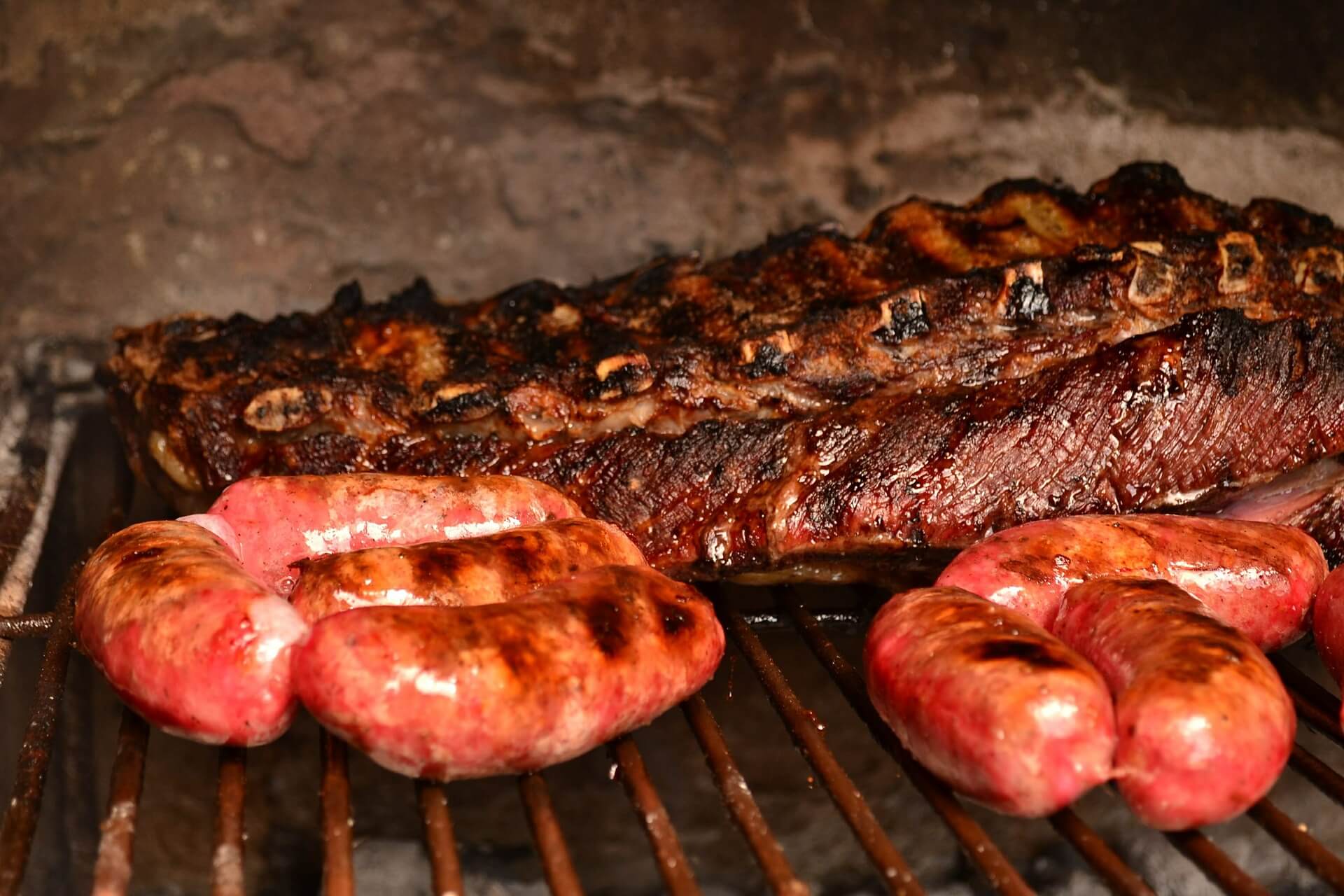
Choripan (sandwich of pork and beef in a crusty bun)

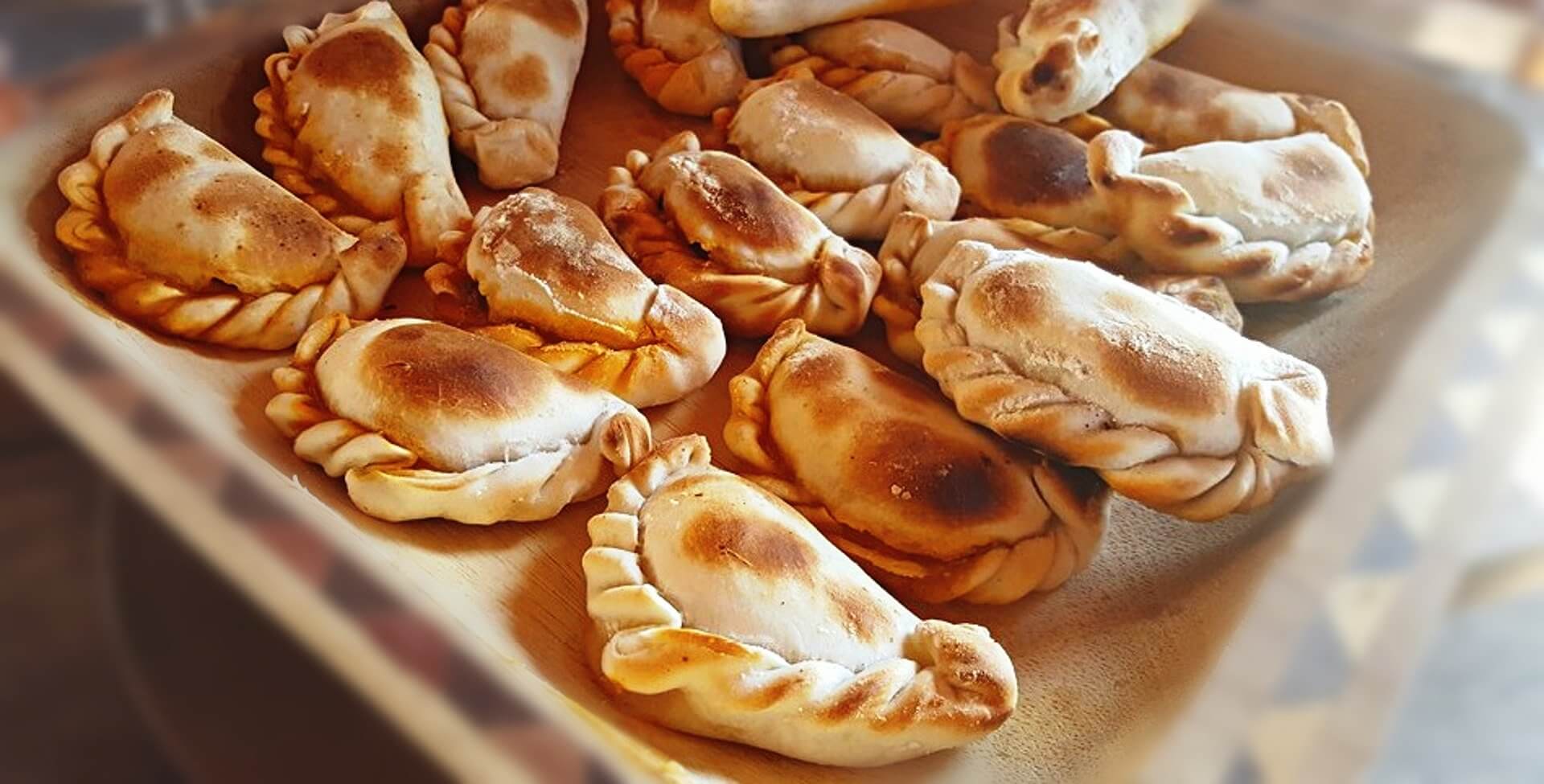
Empanadas (deep fried or baked dough stuffed with meat and spices)
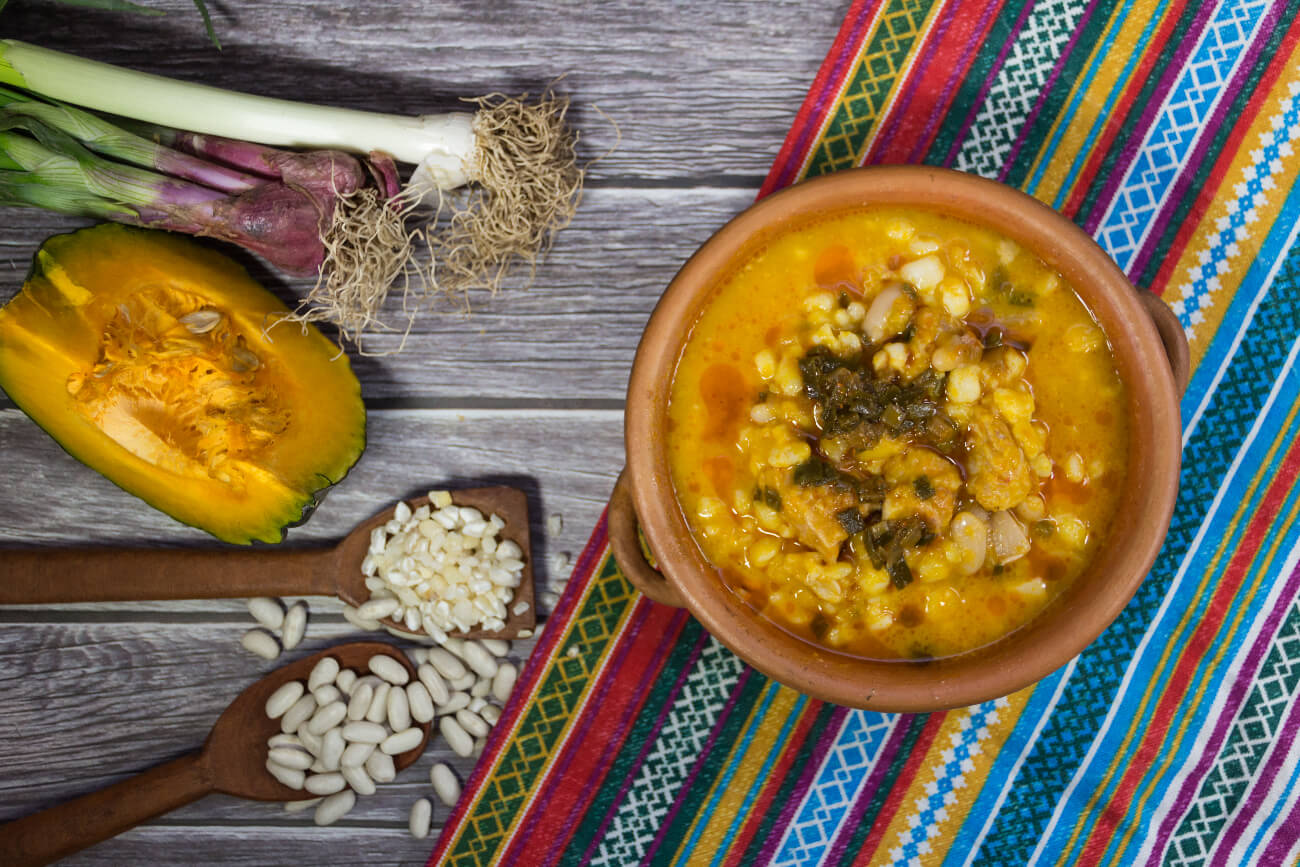
Humita en chala (creamed corn with spices)
Argentina has an astonishing and colorful biodiversity from mountainous regions to savannah-like areas and coast lines. The country provides a large variety of flora and fauna. Argentina has many protected areas and national parks. Flora native to Argentina include Darwin’s Barberry, Yerba Mate, Darwin’s Slipper, Santa Cruz Water Lily, South Argentine Aster, and Romero del Piche.
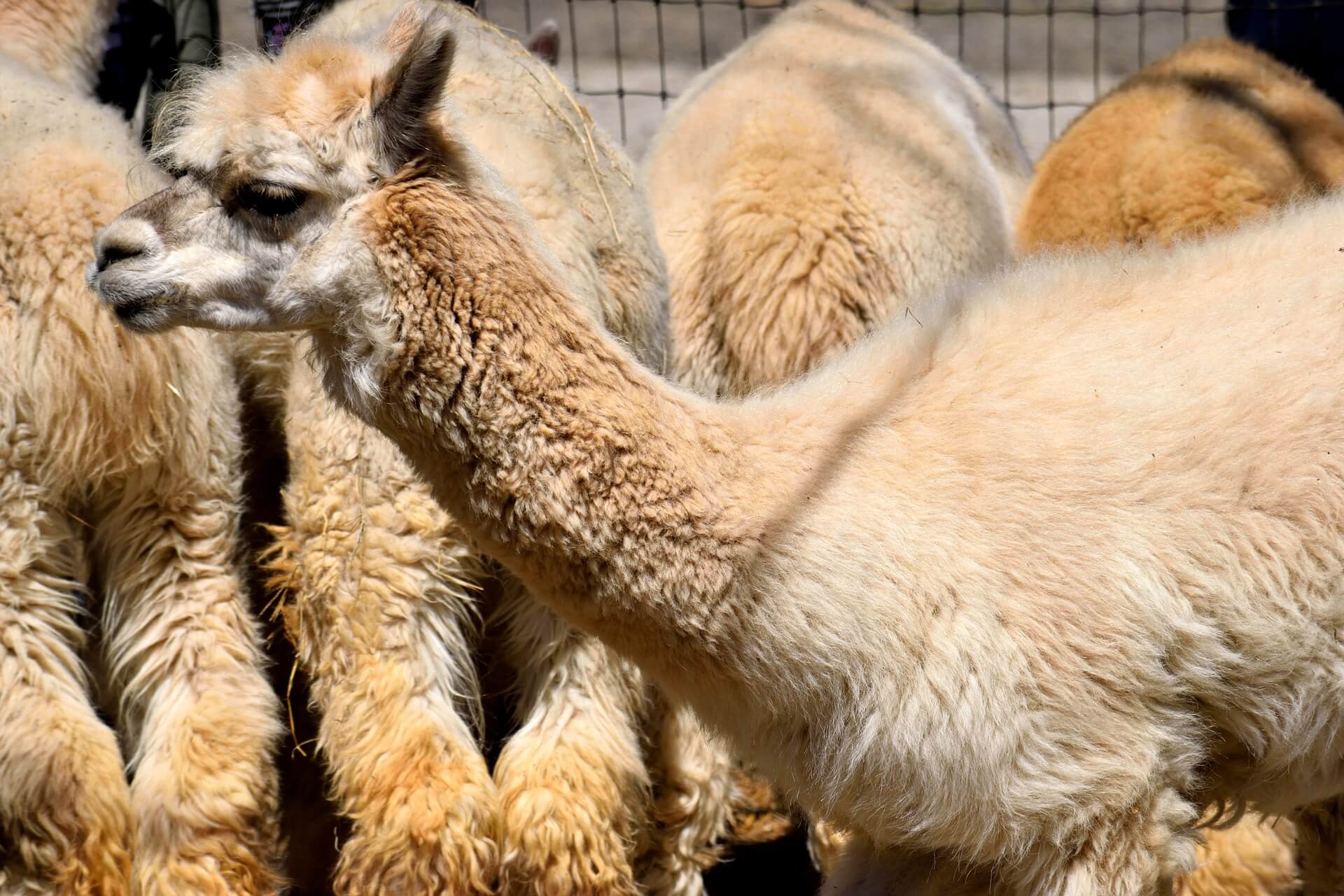
The Andes provide homes for almost 30,000 species of vascular plants, shrubs, deciduous forests and xeric (low moisture) vegetation. Animals living in the Andes include Llama, viscacha, guanaco, Andean Mountain Cat, vicuna, kodkod, and the Andean Condor.
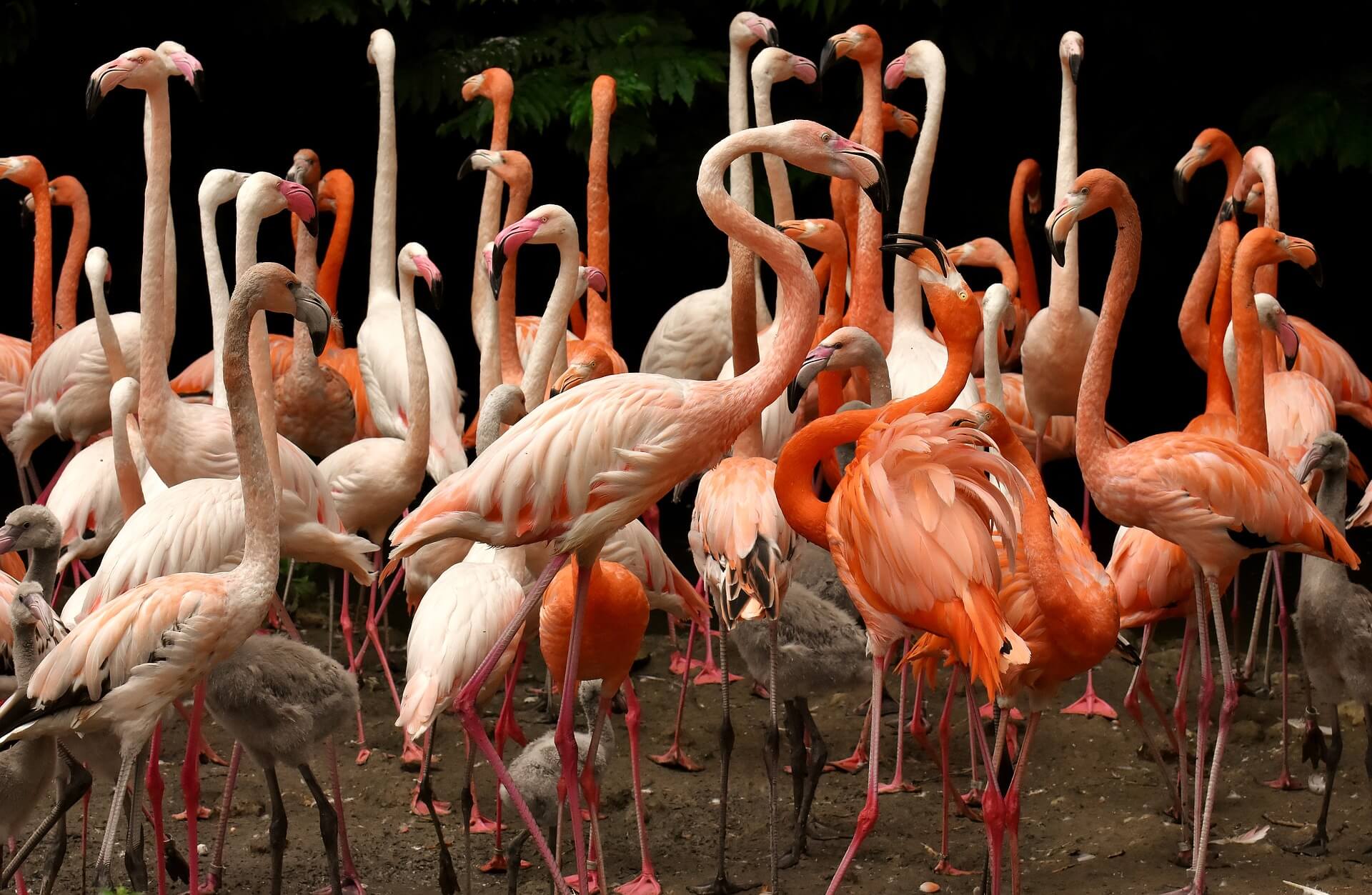
The North Part is characterized by a subtropical climate. The most common trees are the Dalbergia genus, the quebracho and the black and white algarrobo. Animals include puma, jaguar and ocelot, the Argentine Black and White Tegu, the Howler monkey, the bush dog, tapir, capybara and peccary. Bird species include hummingbird, toucan, and flamingo.
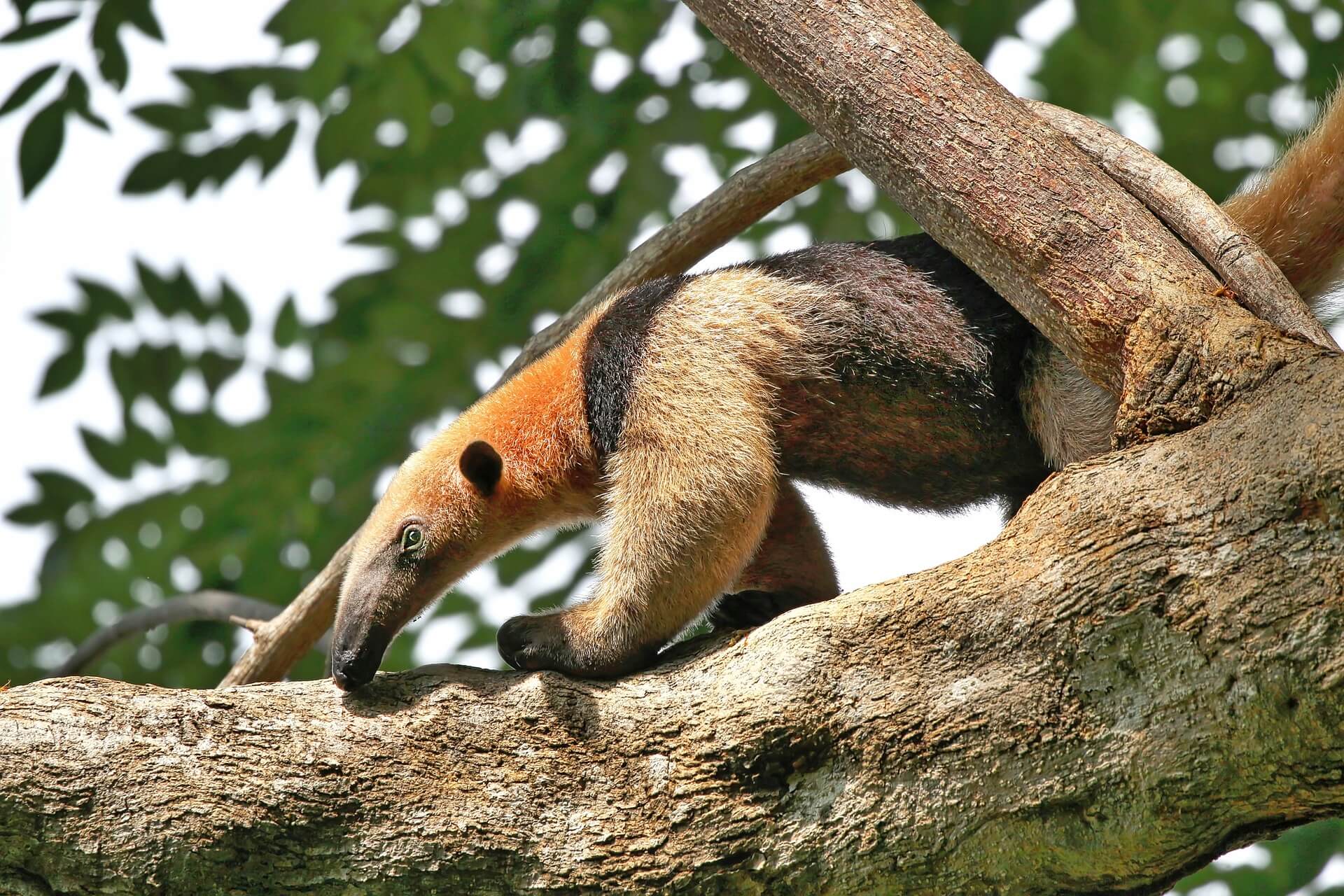
Central Regions contain the central grasslands which are dominated by pamoa fox, pampas deer, pampas cat, giant anteaters, maras, armadillos, hawks and falcons. The humid pampas are characterized by tall grasses and no trees, only tree-like plants.
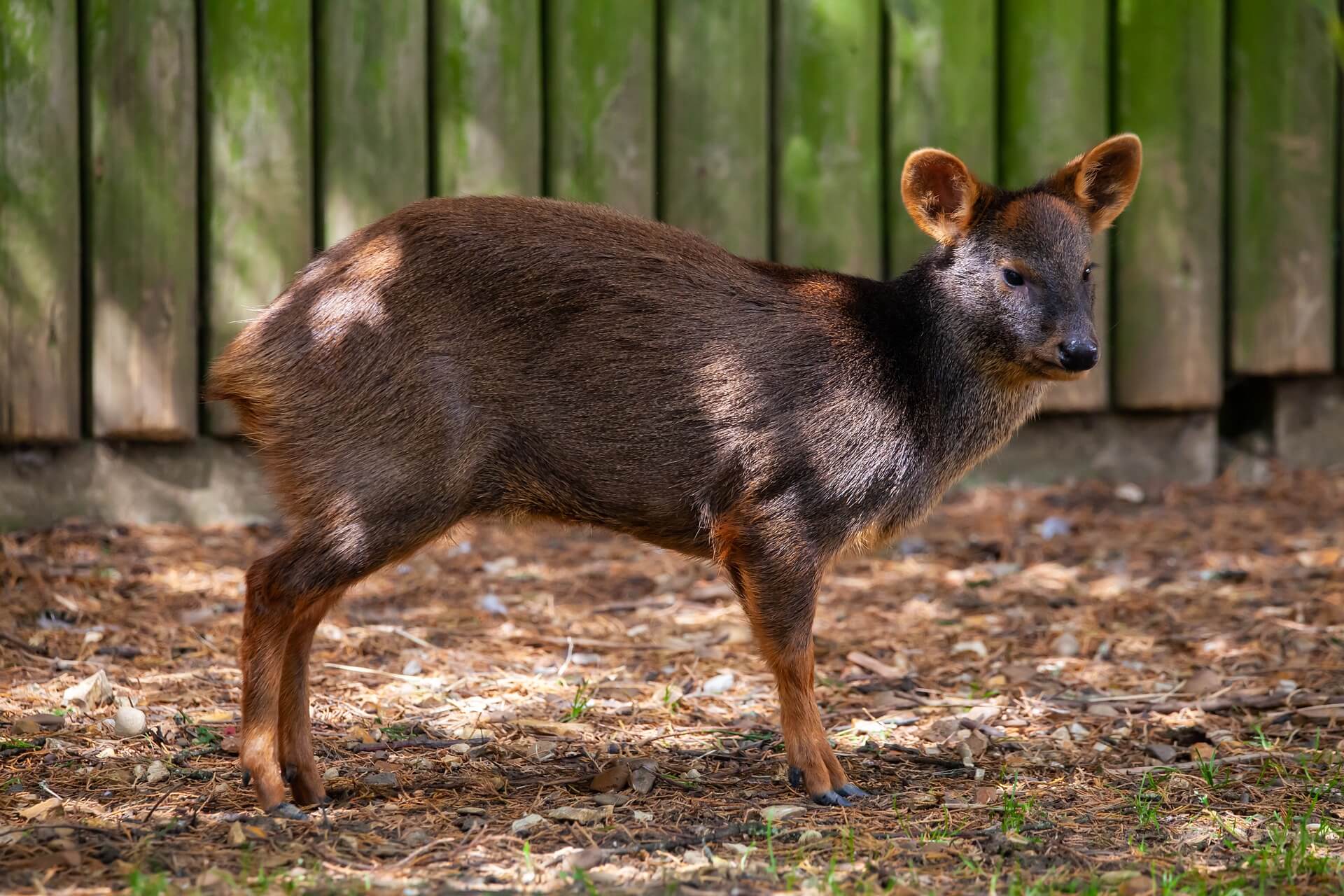
Southern Region is home to numerous species of animals, including the smallest deer in the world, the pudu, the huemul, cougar, and the wild boar which is not a native species. The coastline has rich diversity that includes sea lions, elephant seals, penguins, and fur seals.
Territorial Waters include orcas, dolphins, and the southern right whale
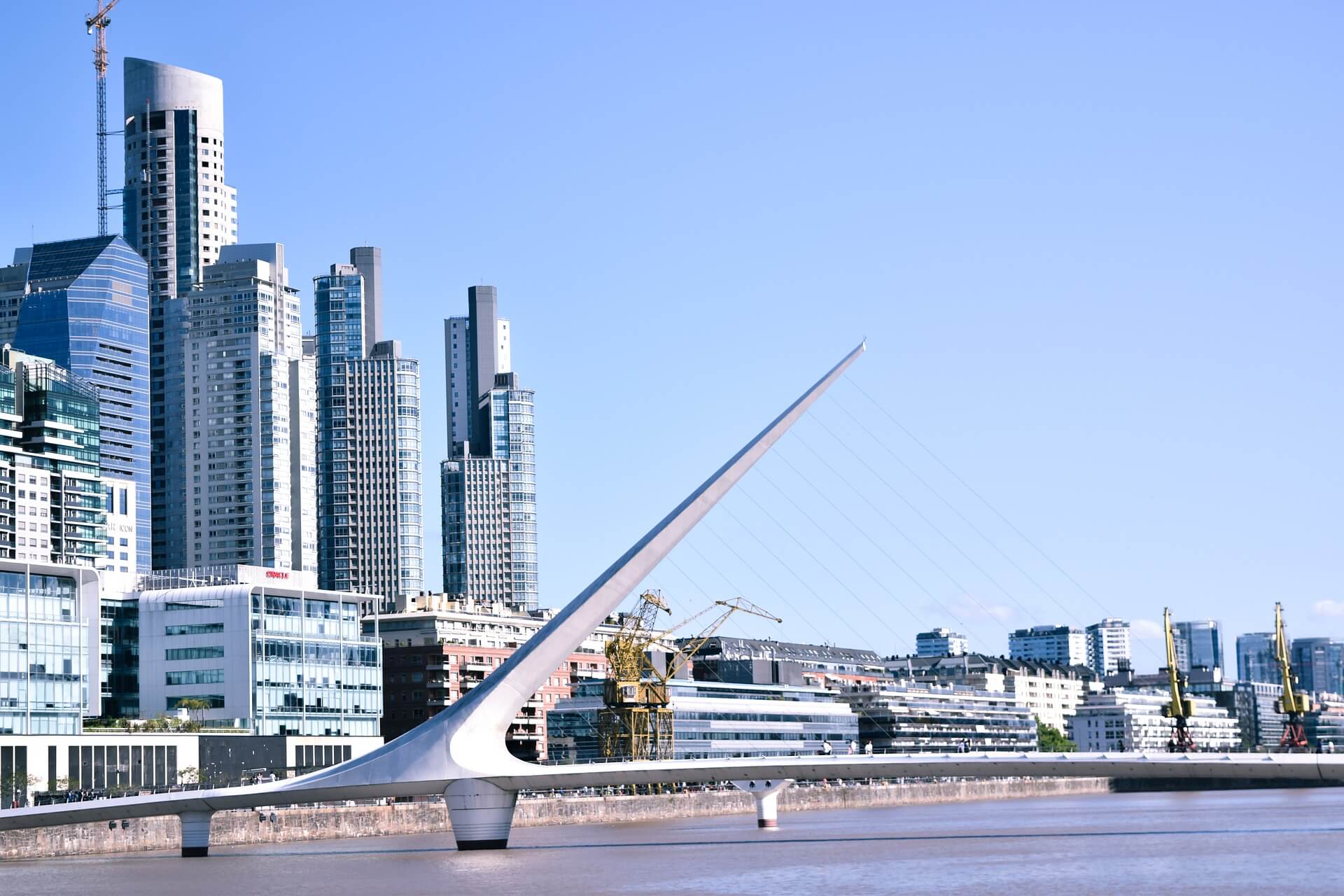
Buenos Aires is officially named the Autonomous City of Buenos Aires and is the capital and largest city. The city is located on the western shore of the Rio de la Plata, on South America’s southeast shore. In 1880, the city was removed from Buenos Aires Province and is now a federal autonomous district with a population of 3 million with the Buenos Aires District having a population of 13 million. It is known for its preserved eclectic European architecture and rich cultural life. Buenos Aires is a multicultural city that is home to multiple ethnic and religious groups. It is a melting pot of European immigration in the 19th and 20th centuries. The city was founded in 1536 by the Spanish Conquistadors. It has four distinct seasons and is located in the humid subtropical climate zone. Summers are hot and humid. Winters are cool with mild temperatures during the day and chilly nights. Spring and autumn have changeable climate conditions. The city is known for its thriving art culture with many museums and galleries.
Tourist Sites to Visit
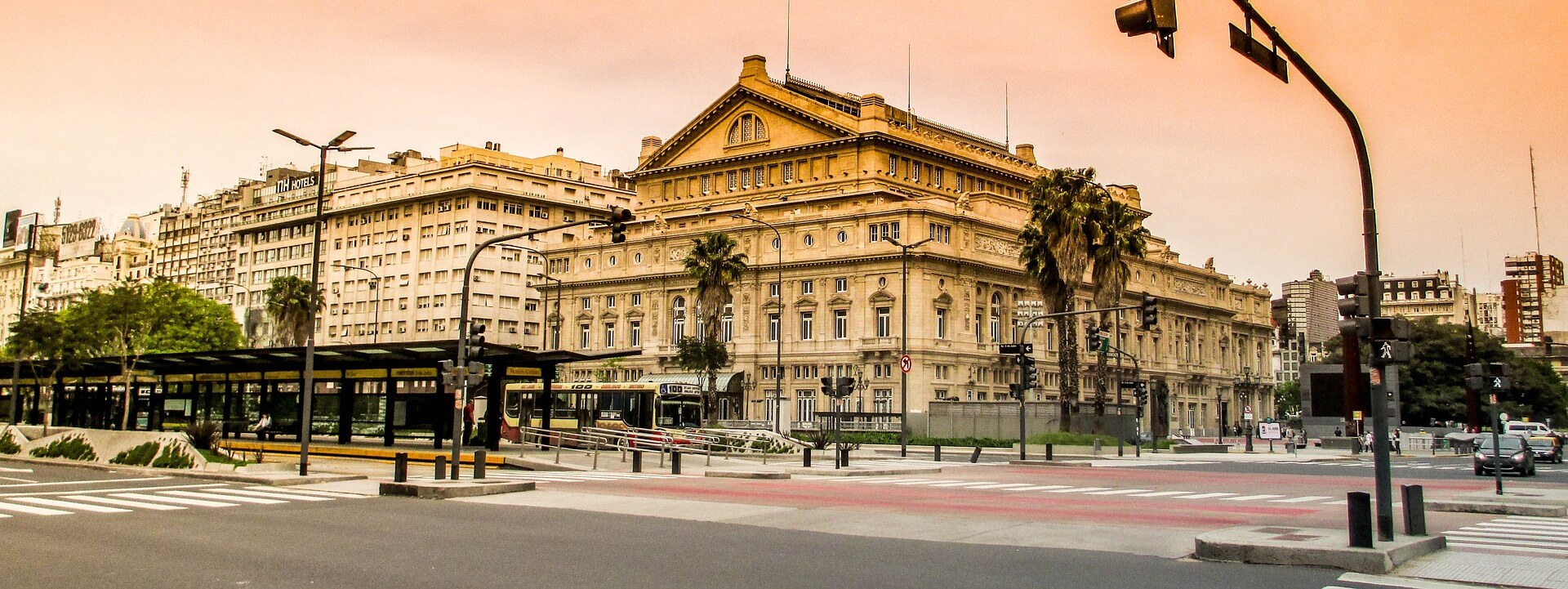
Teatro Colon (one of the best theaters in the world)
Puerto Madero (Old port area)
Recoleta Palaces and Mansions
Bosques de Palmero (oldest park in city)
Museo Nacional de Bellas Artes
Palermo Soho (upscale neighborhood)
Palermo (the heart of the city)
Calle Defensa (Centennial houses, old churches and cobble stone streets)
Cemiterio de Recoleta (cemetery with magnificent architecture and sculpture)
Centro Cultural Kirchner (largest cultural center in the city)
Palacio Barola Museo de Arte Latinoamericano de Buenos Aires
Tourist Sites to Visit Outside Buenos Aires
Ibera Wetlands (wildlife)
Cueva De las Manos (prehistoric 9000 year old cave drawings)
Ingles in San Francisco
Talampaya Natural Park (dinosaur fossils)
Route of the Seven Lakes (driving scenery)
Delta el Tigre (boat trip to see mansions on the delta)
Parque Provincial Aconcagua (highest mountain in the Americas)
Circuito Chico (scenic drive)
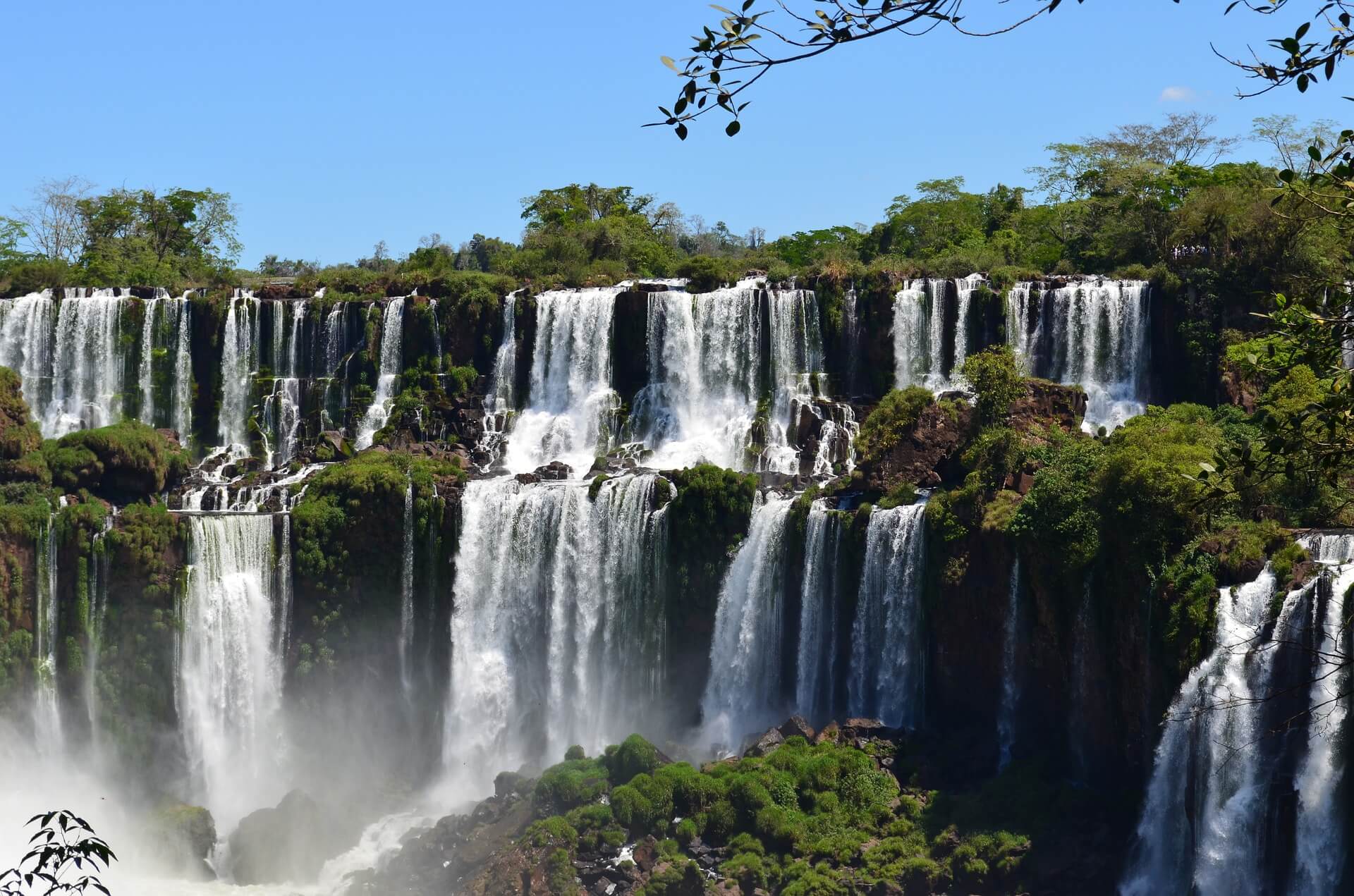
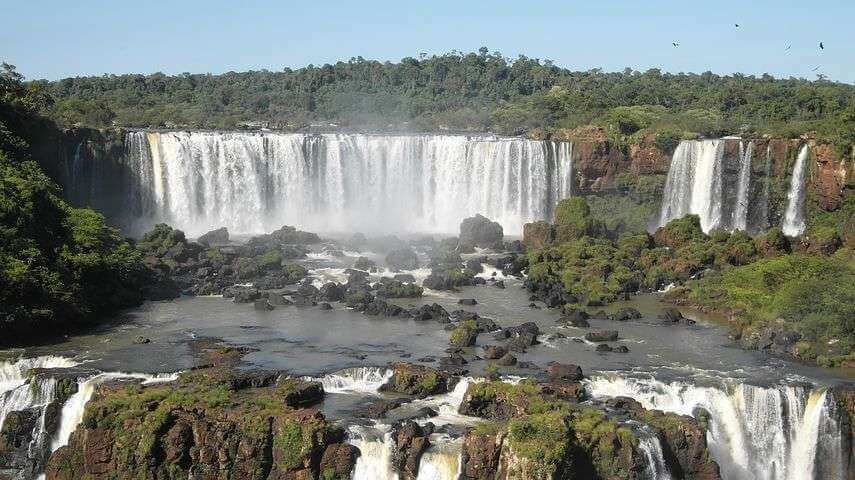
Iguazu Falls (magnificent waterfalls)
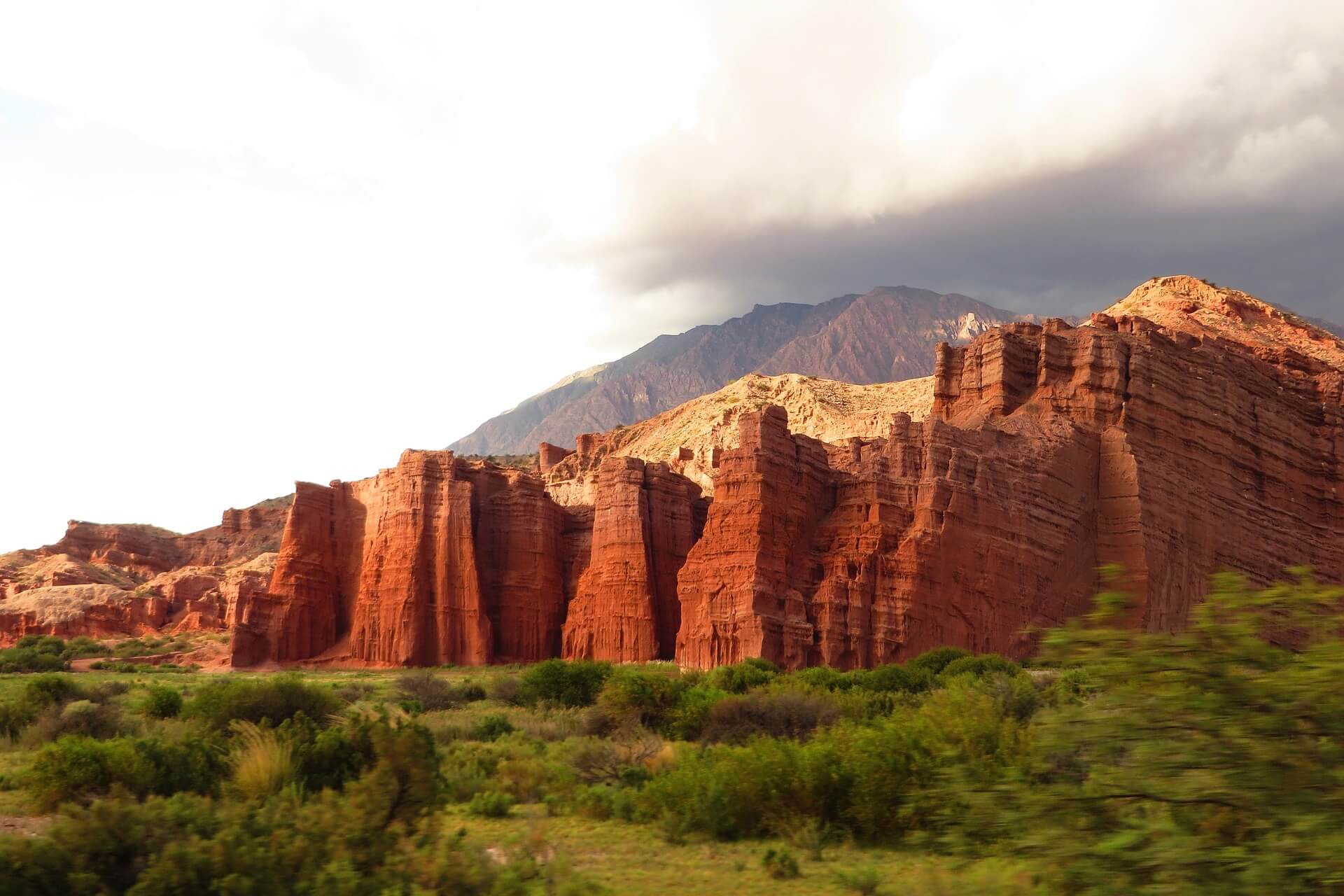
Quebrada de Cafayate (sandstone formations)
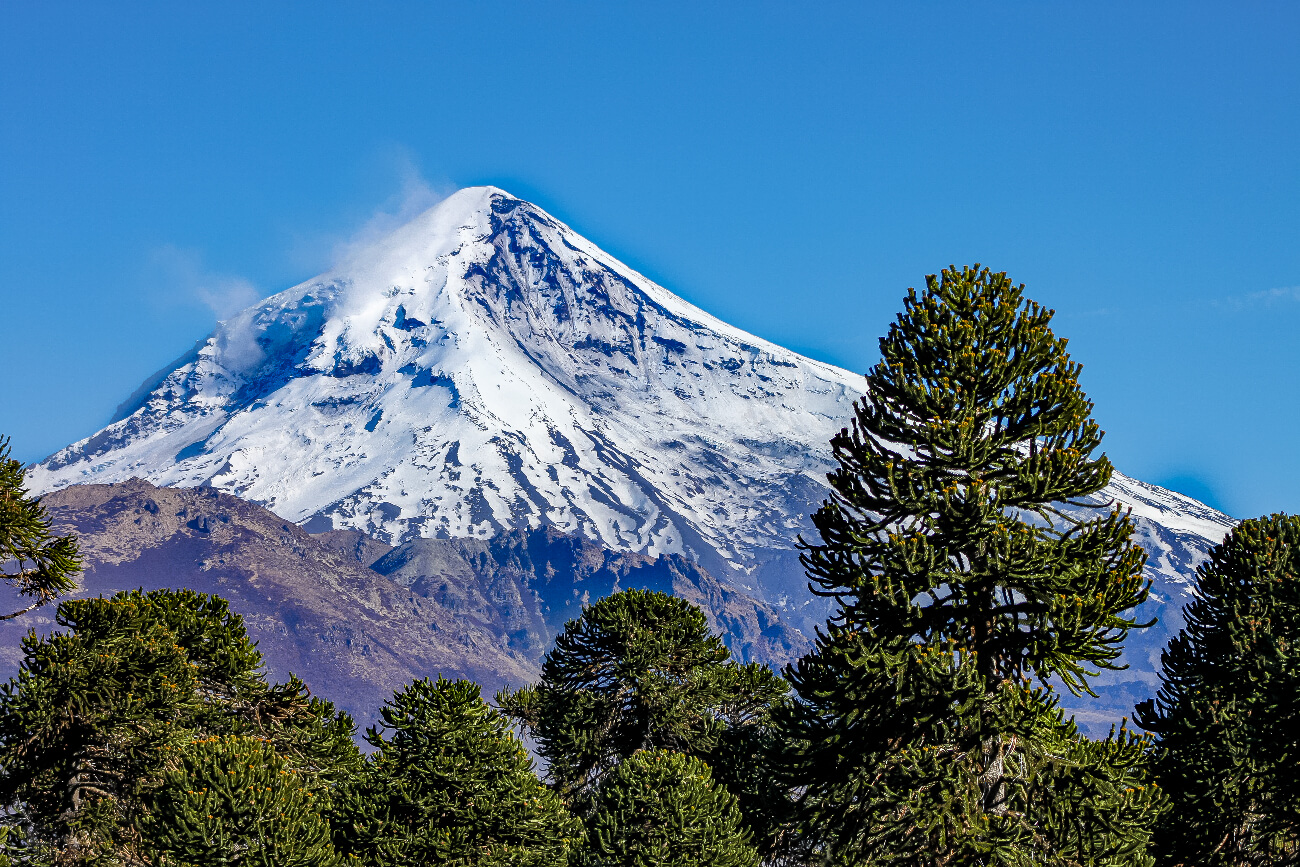
Vulcan Lanin (volcano)
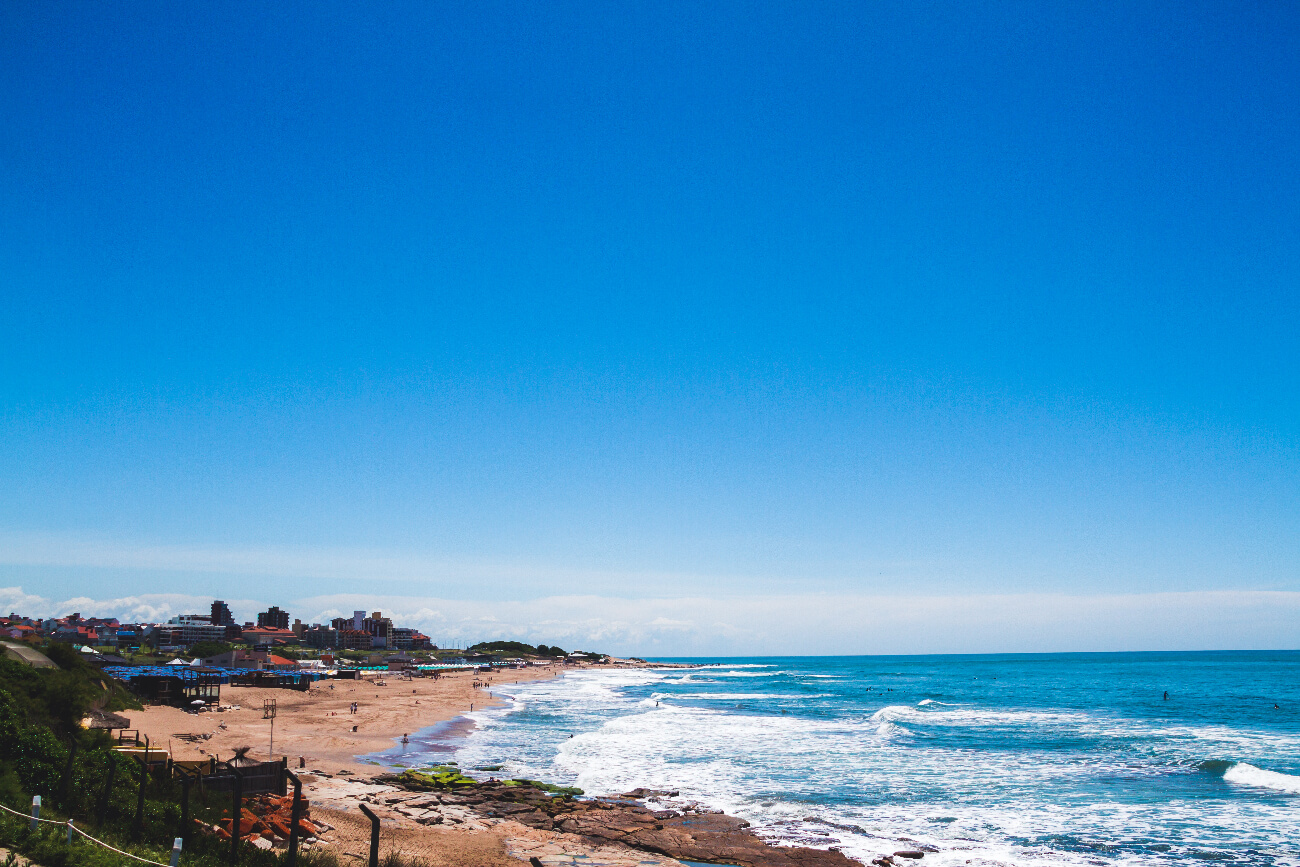
Mar del Plata Beaches
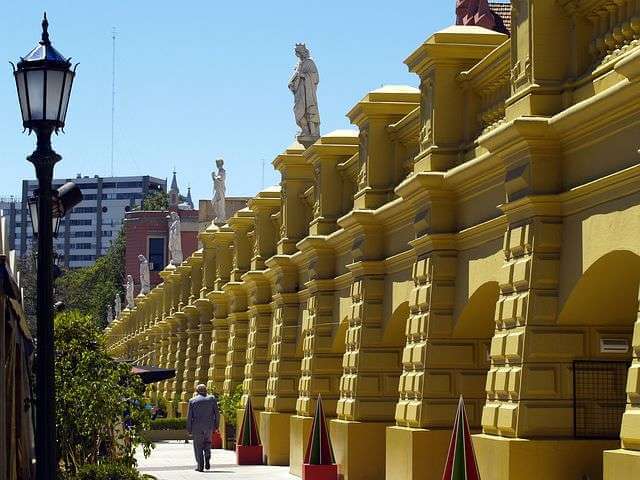

No Tour Found