


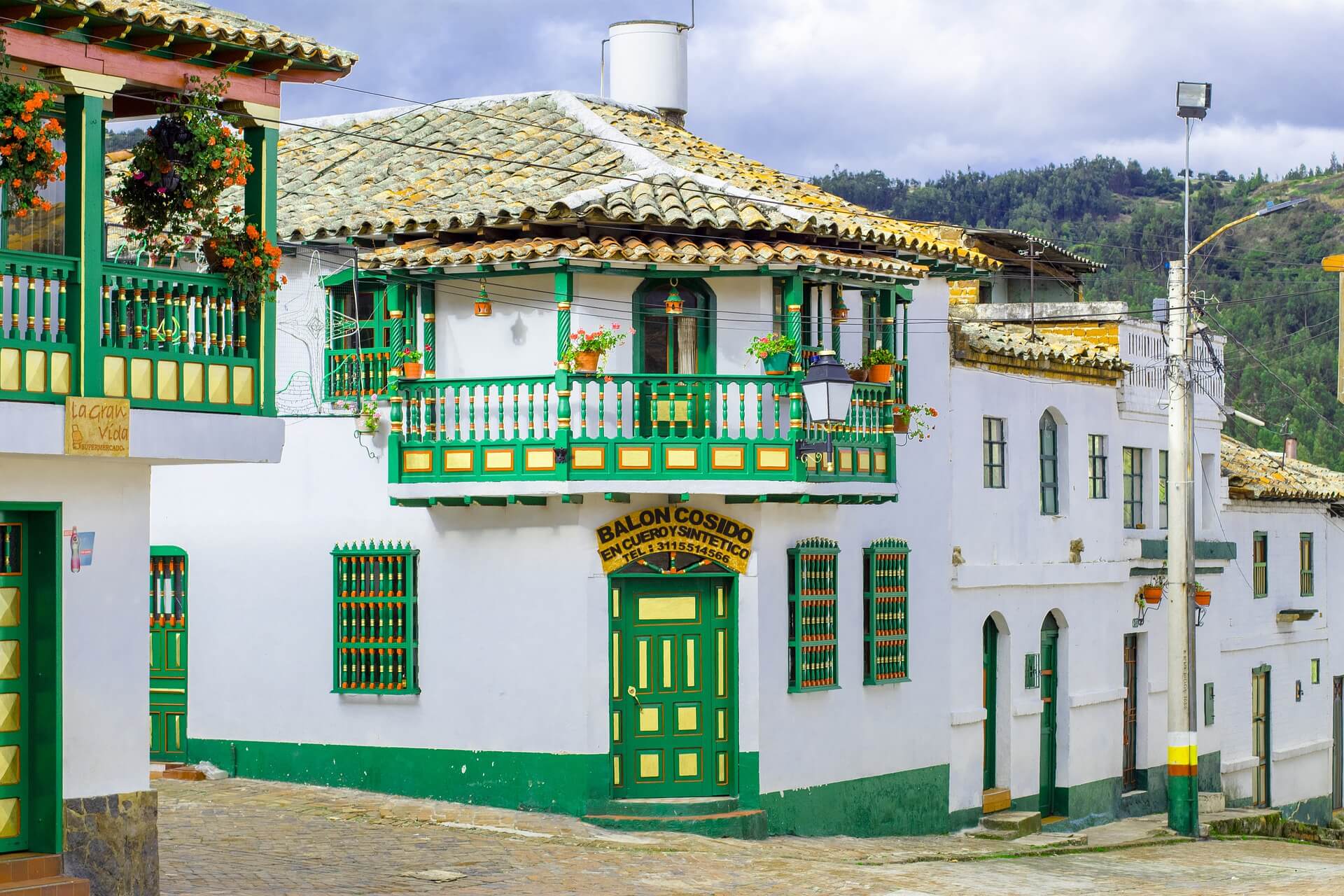
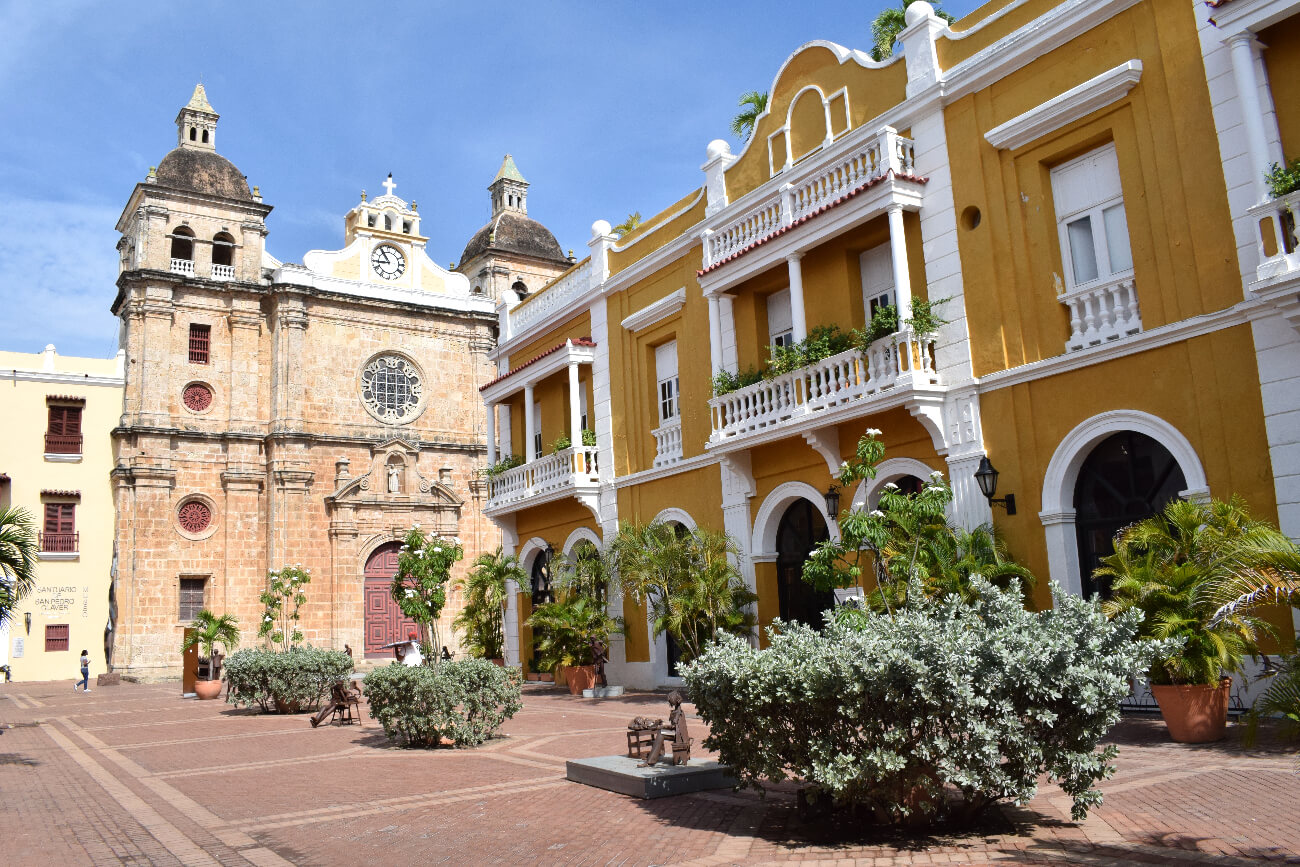
Colombia, officially the Republic of Colombia, is a country in South America. It is bounded on the north by the Caribbean Sea, the northwest by Panama, the south by Ecuador and Peru, the east by Venezuela, the southeast by Brazil, and the west by the Pacific Ocean. The official language is Spanish but over 70 regional languages and dialects are spoken; 89% of the population is Christian and heavily Roman Catholic. Colombia covers a land area of 440,831 square miles with a population of 50 million. Its territory encompasses Amazon rainforest, highlands, grasslands and deserts. It is the only country in South America with coastlines and islands along both the Atlantic and Pacific Oceans. Colombia has the second highest level of biodiversity in the world. The government is a Unitary Presidential Constitutional Republic.
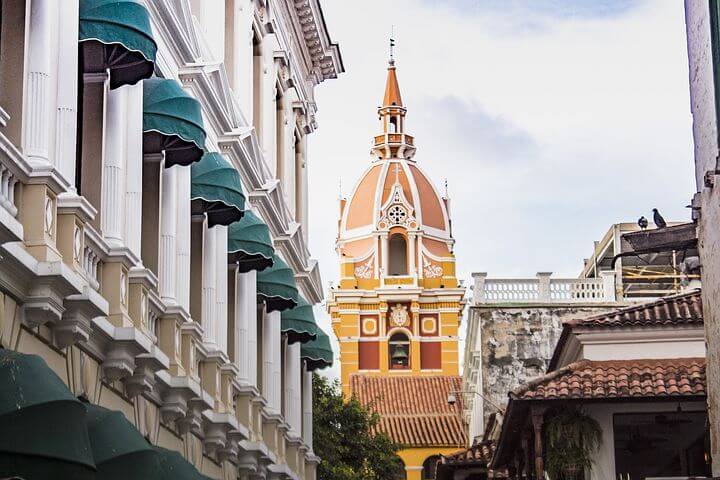
The Capital District of Bogota is the country’s largest city, with a population of 9.8 million. Colombia’s rich cultural heritage is a combination of Amerindian, European, African slaves, immigration from Europe and the Middle East.
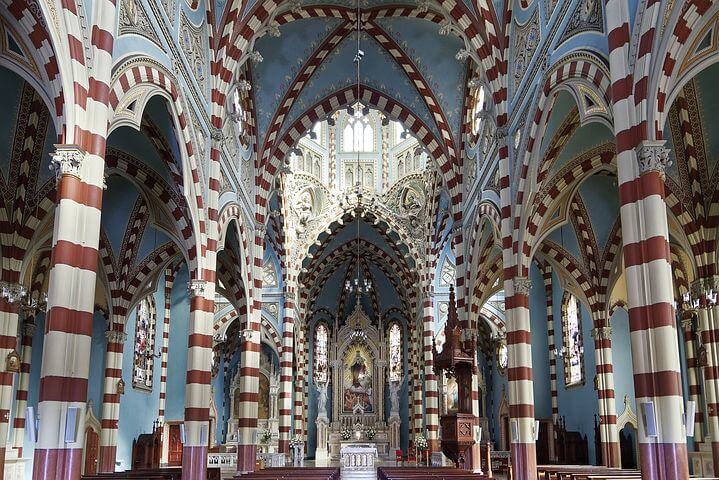
Colombia has been inhabited by various indigenous peoples since at least 12,000 BCE, including the Muisca, Quimbaya and the Tairona. The Spanish landed in La Guajira in 1499 and by the mid-16th century colonized parts of the region, establishing the New Kingdom of Granada with Santa Fe de Bogota as its capital. Independence from the Spanish Empire was achieved in 1819, and the country was named The United Provinces of New Granada. The Republic of Colombia was declared in1886. The original country included what is now Panama but Panama seceded in 1903, leading to the present borders. An armed rebellion, begun in the 1960’s, has been largely de-escalated. Owing to its location, the present territory of Colombia was a corridor of early human civilization from Mesoamerica and the Caribbean to the Andes and Amazon Basin. The oldest archaeological finds are from Pubenza and El Totumo sites near Bogata. These sites date from 18.000 to 8000 BCE. Pictographs have been found which could be 12,500 years old. Other sites date from 8000 to 2000 BCE. The oldest pottery discovered dates around 5000 BCE. Indigenous peoples had ongoing civilizations in Colombia by 12,500 BCE and were nomadic hunter-gatherers. Between 5000 and 1000 BCE many tribes transitioned into agriculture and agrarian societies with pottery and fixed settlements. Beginning in the first millennium BCE groups of Amerindians developed a political system with a pyramidal structure of power called cacicazgos. They farmed potato, maize, quinoa, and cotton[ they traded gold, emeralds, blankets, ceramic handicrafts, coca and rock salt.
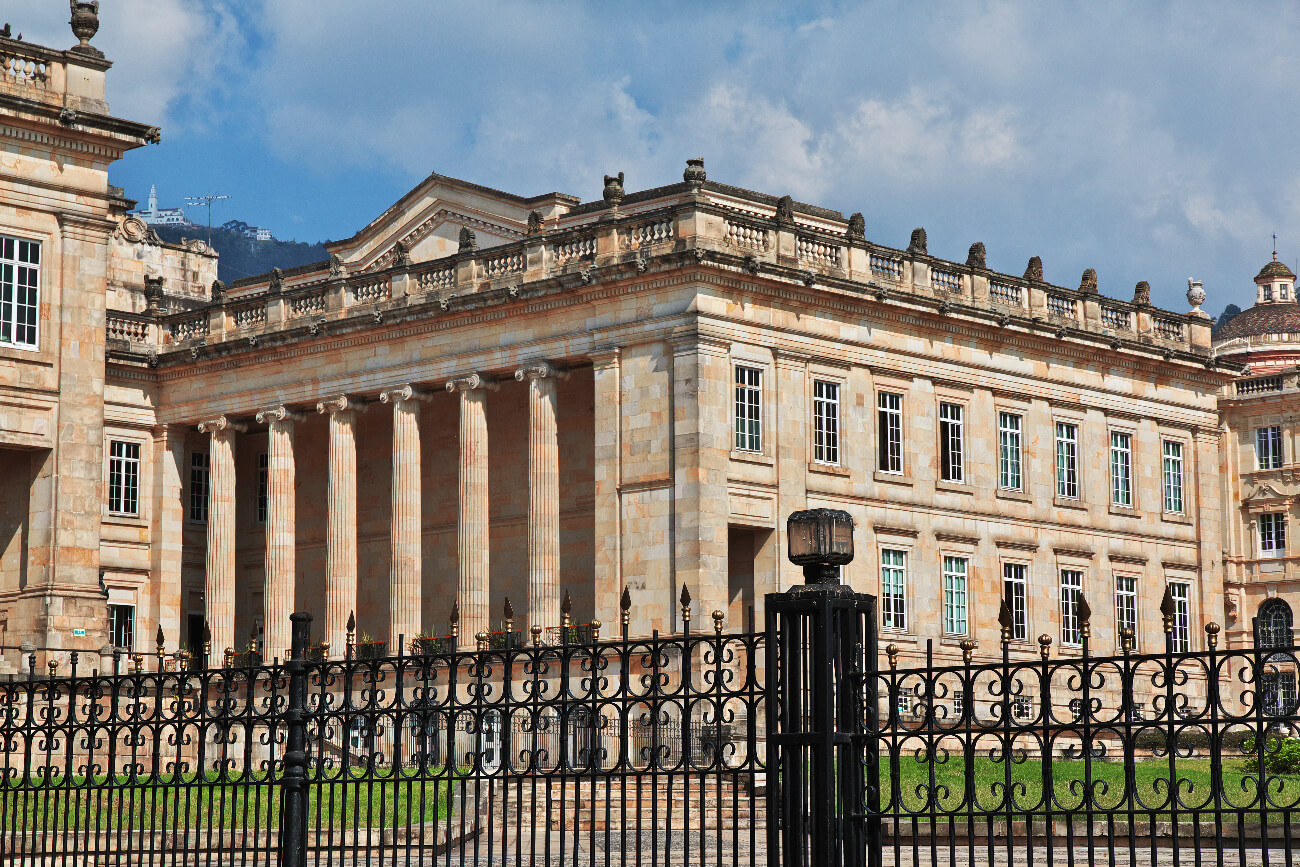
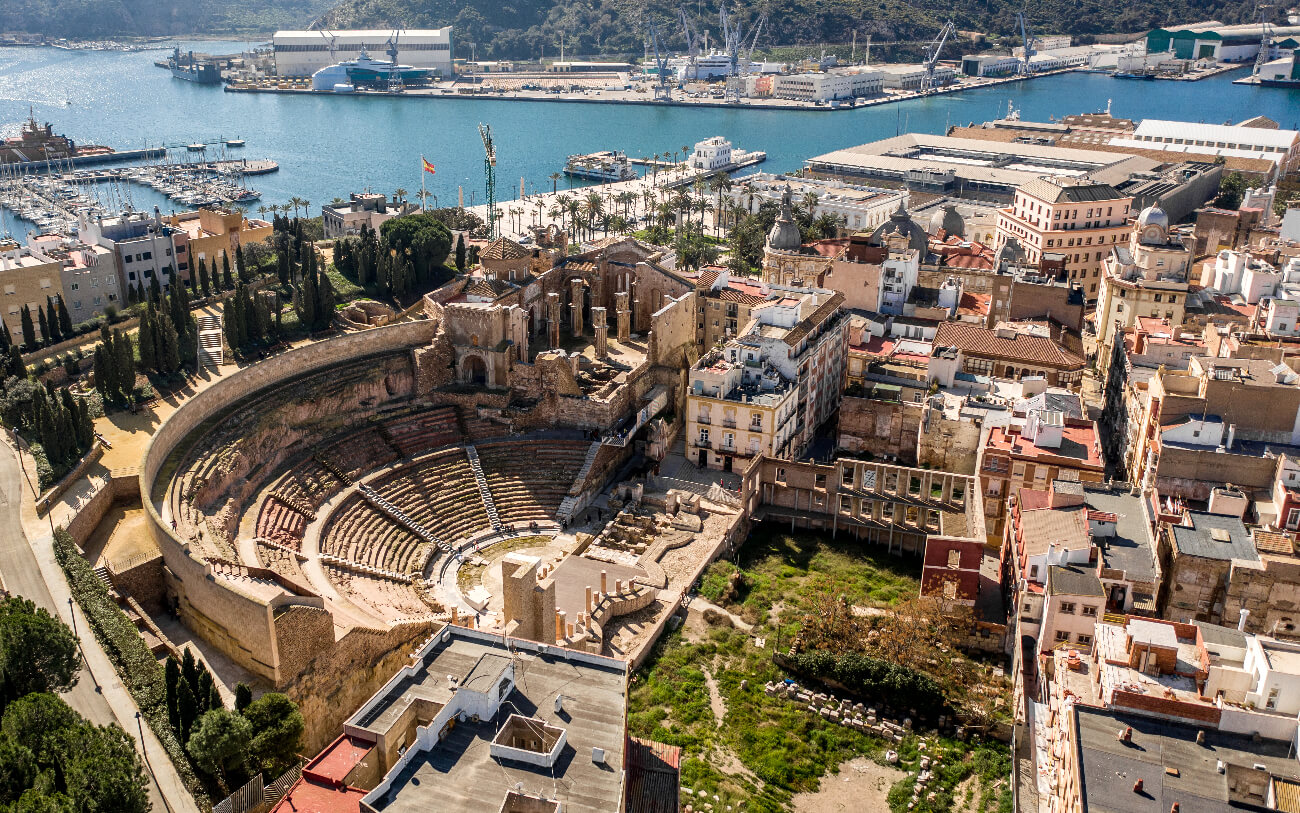
Santa Marta was founded in 1525 and Cartagena in 1533. Spanish conquistador Gonzalo Jiménez de Quesada led an expedition to the interior in 1536 and christened the territories, “New Kingdom of Granada”. In 1538, he founded Santa Fe and eventually it was renamed Santa Fe de Bogota. With the indigenous populations mostly exterminated through smallpox and European armed intrusions, the King of Spain sold large tracts of land to colonists creating large farms and mines. In the 16th century European slave traders brought African slaves to the territory. The indigenous people could not be enslaved because they were citizens of Spain.
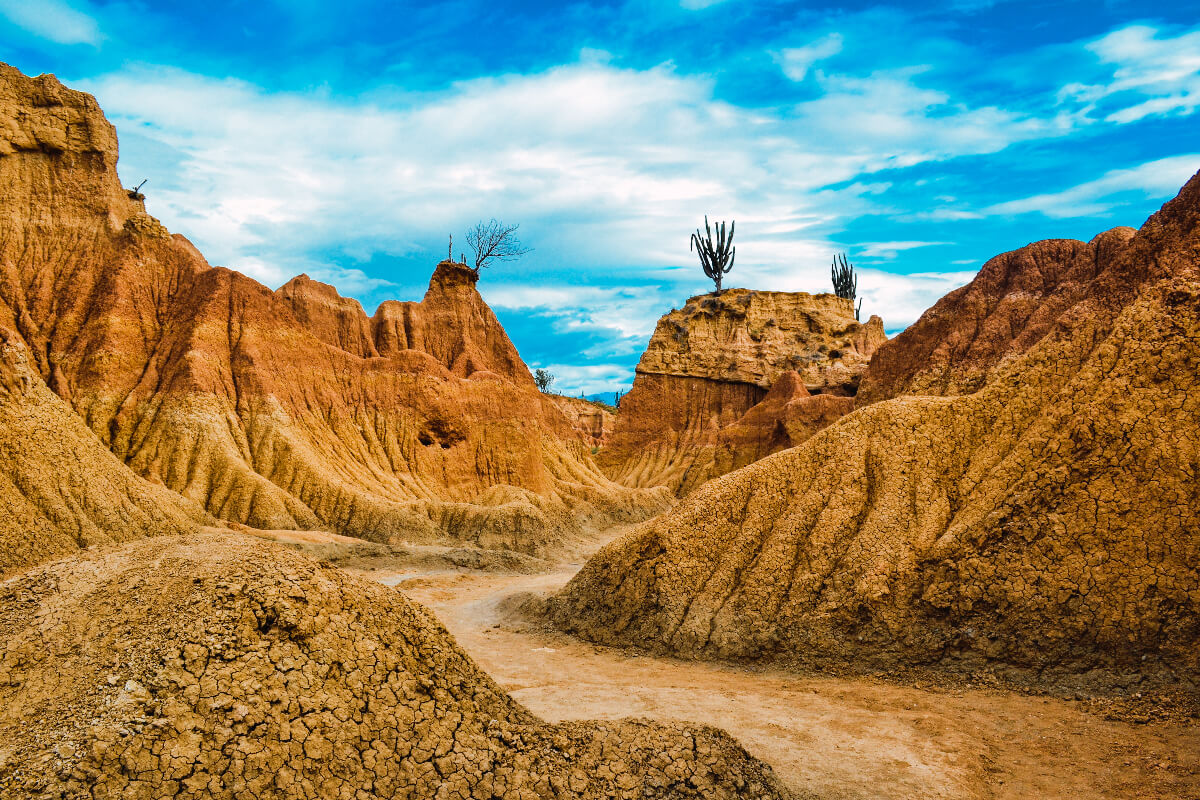
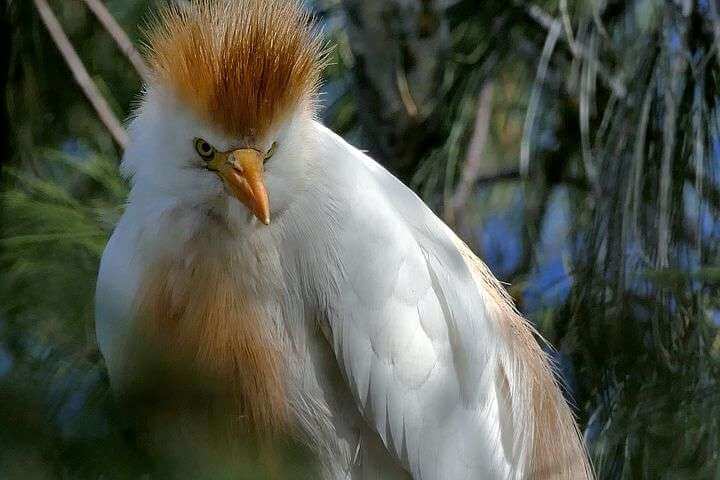
The climate is tropical with variations in six natural regions depending on the altitude, temperature, humidity, wind and rainfall. The zones include tropical rainforest, savannas, steppes, deserts, and mountain climates. Colombia is the second most megadiverse country, ranking only after Brazil. It ranks first in bird species with 1900 and has between 40,000 and 50,000 plant species, equivalent to 10% to 20% of total global species. It has the highest rate of species by area as well as the largest number of endemic species of any country and has 10% of all mammals species, 14% of all amphibian species and 18% of the bird species of the world. It has 2000 species of marine fish and the second most number of diverse freshwater fish. Colombia has the most endemic butterflies, and is the first in numbers of orchid species.
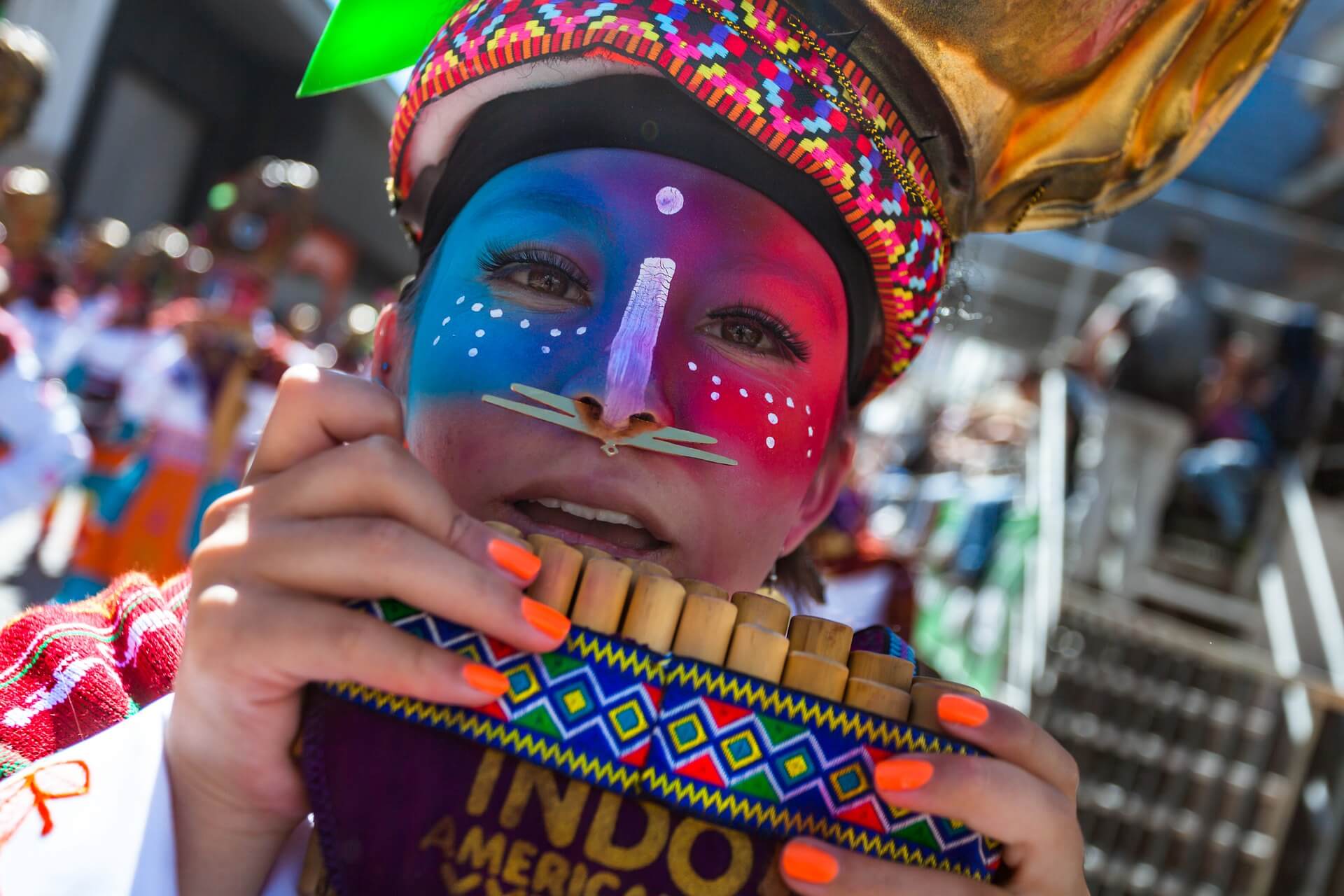
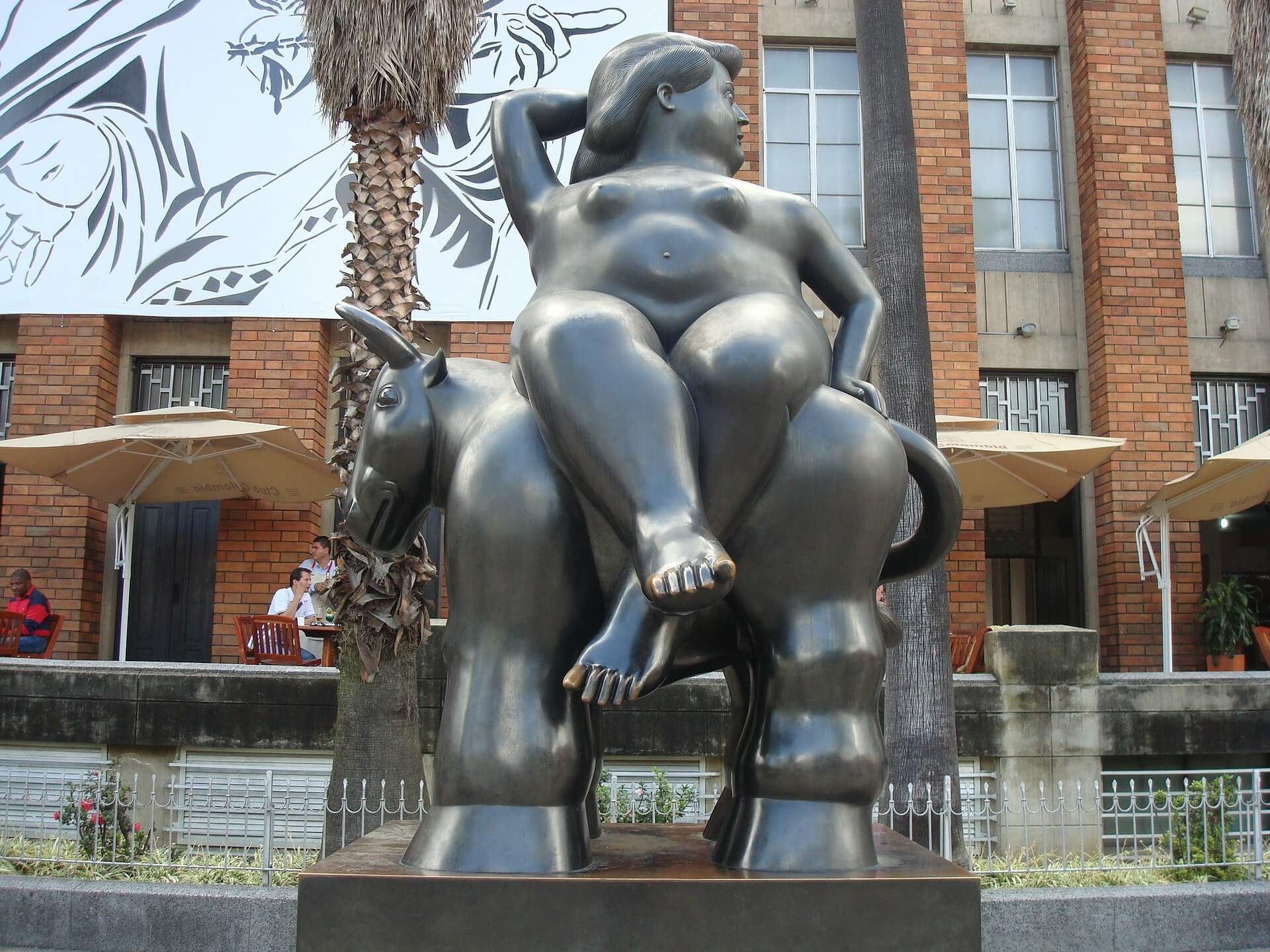
Arts are fostered and developed by conservatories and schools in several cities in collaboration with universities and independent art galleries and concert halls. There is no distinct national school of art. The most prominent and global Colombian artist is Fernando Botero. The mixing of Indigenous, Spanish and African music makes Colombian music extremely diverse. The country’s most distinctive dance style is called Cumbia. The national musical instrument is a 12-stringed guitarlike instrument called a Tiple.
Cazuela de Mariscos (seafood casserole)
Pescado Frito (Fried Fish)
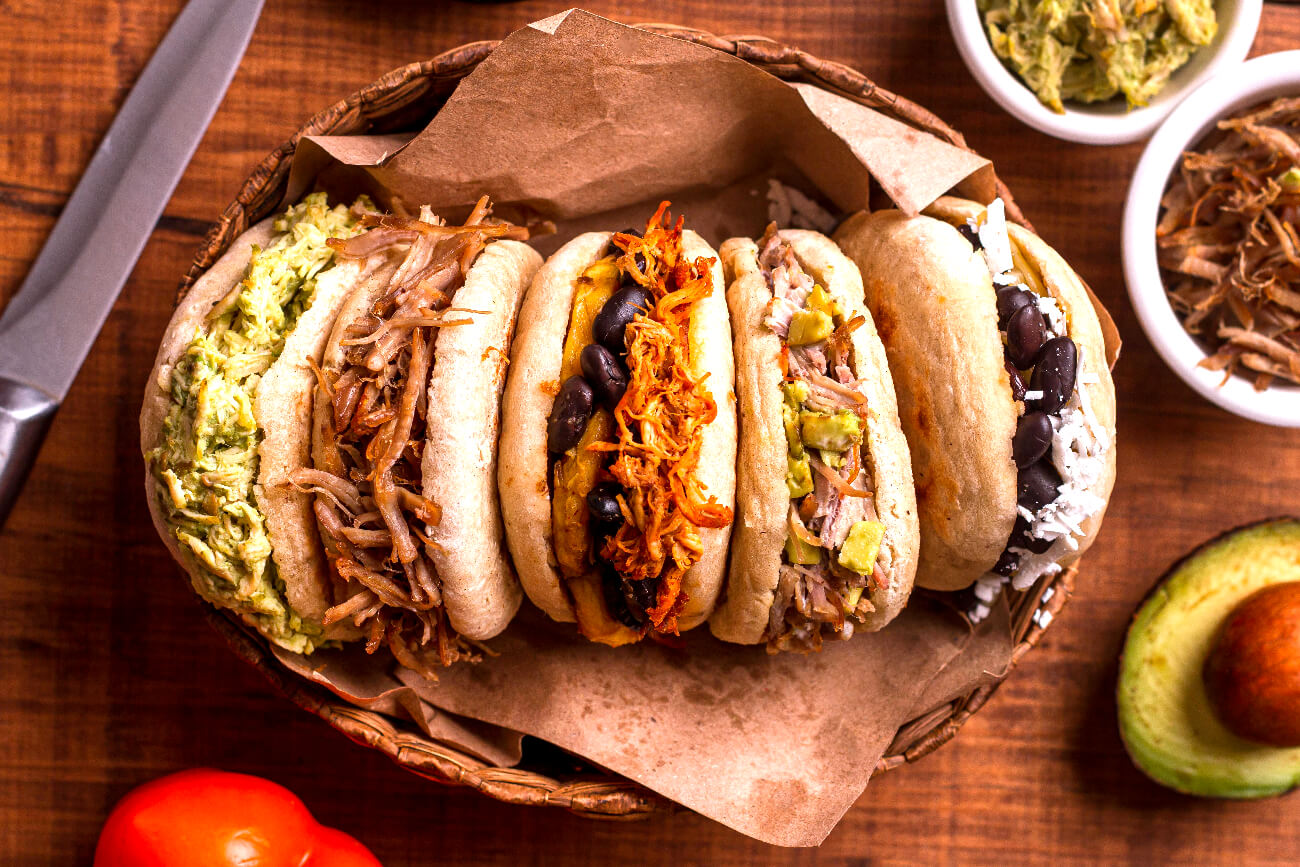
Arepas (Tortilla like)
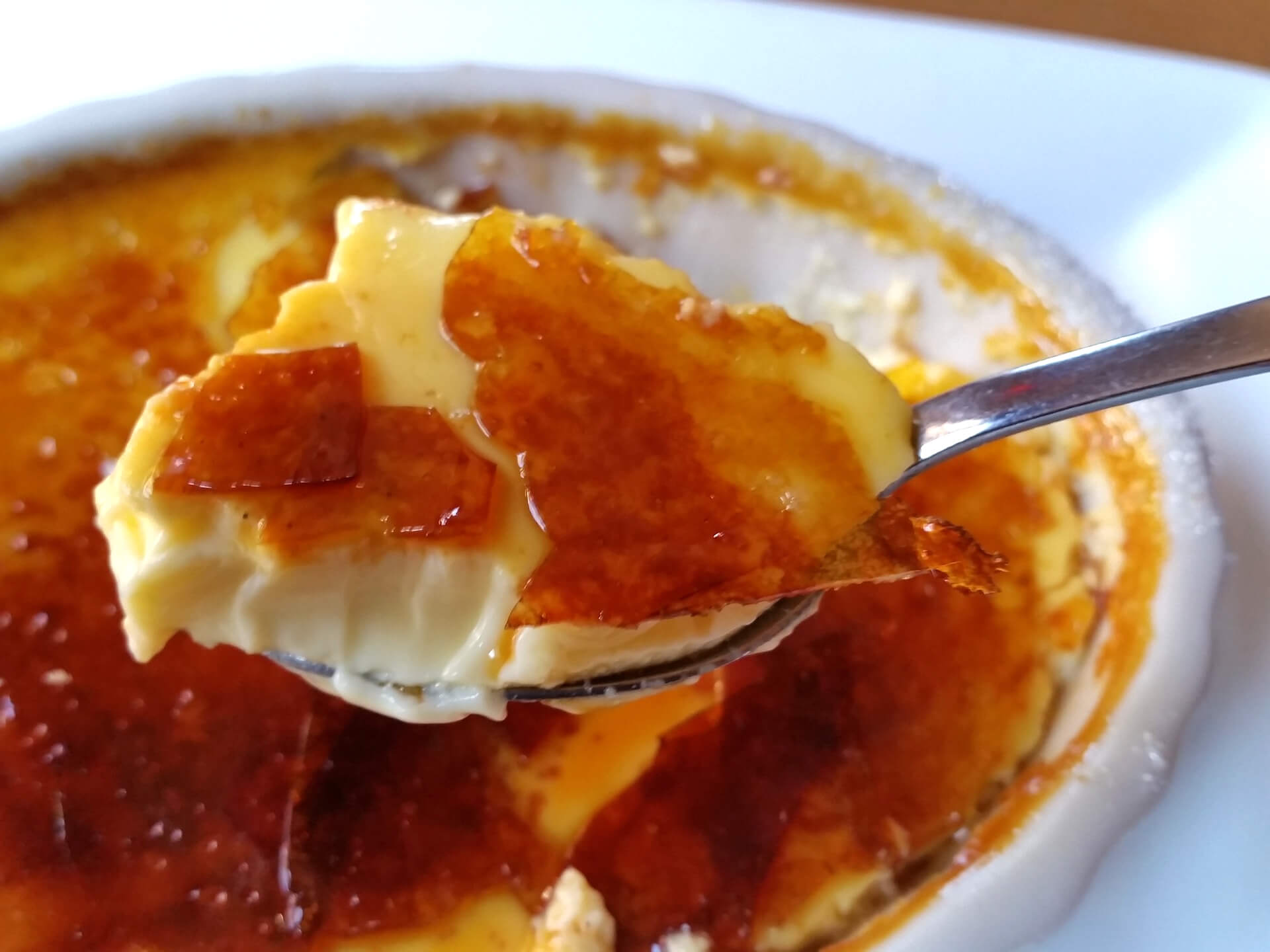
Natilla (Custard like dessert)
Bunuelos (Breakfast treat)
Soups
Sancocho
Ajiaco
Mondongo
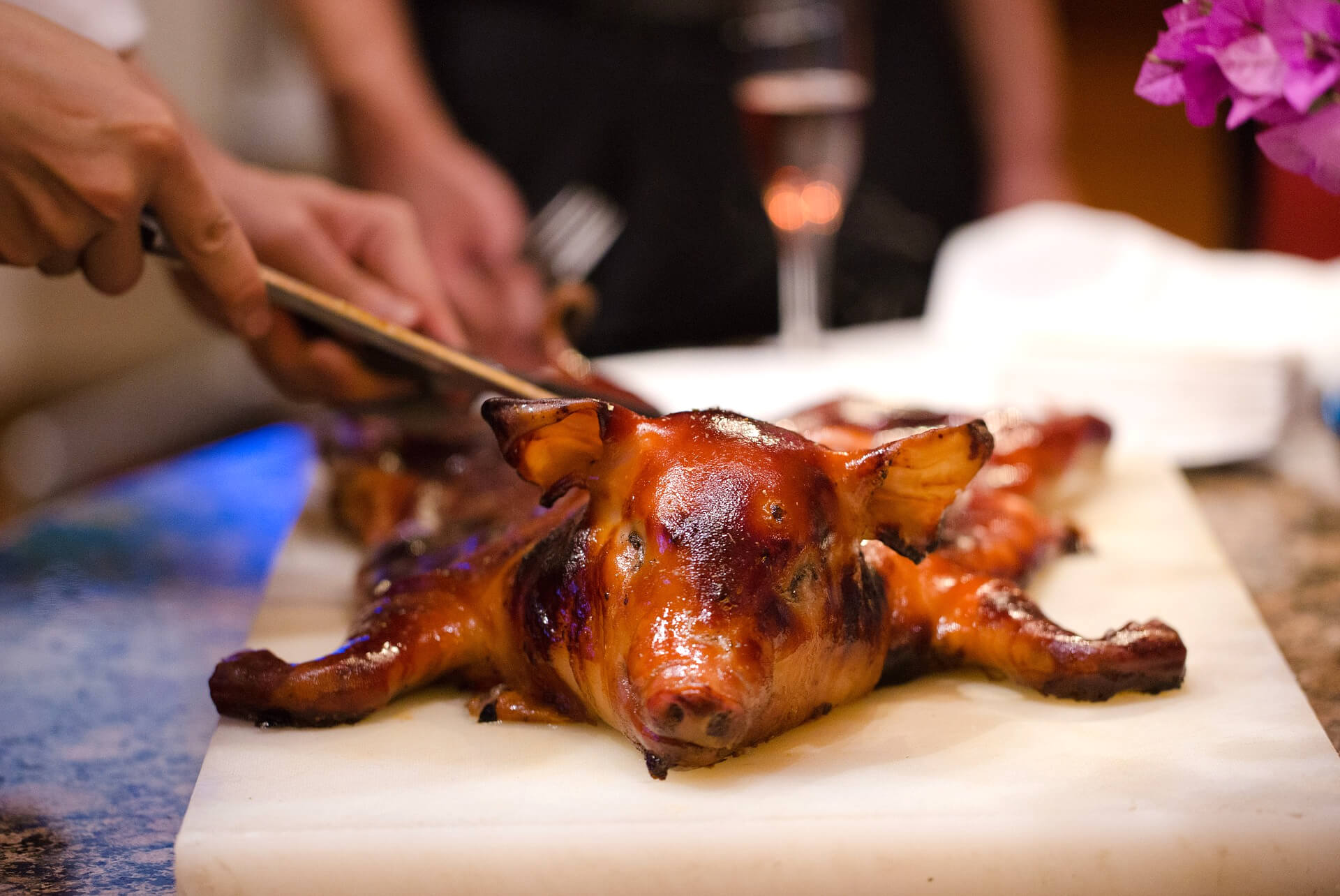
Lechona (Roasted, Stuffed Suckling Pig)
Bandeja Paisa (Large dish with beef, pork, sausage, rice. Red beans, fried egg, plantain, arepa and avocado)
Bogota, The Capital
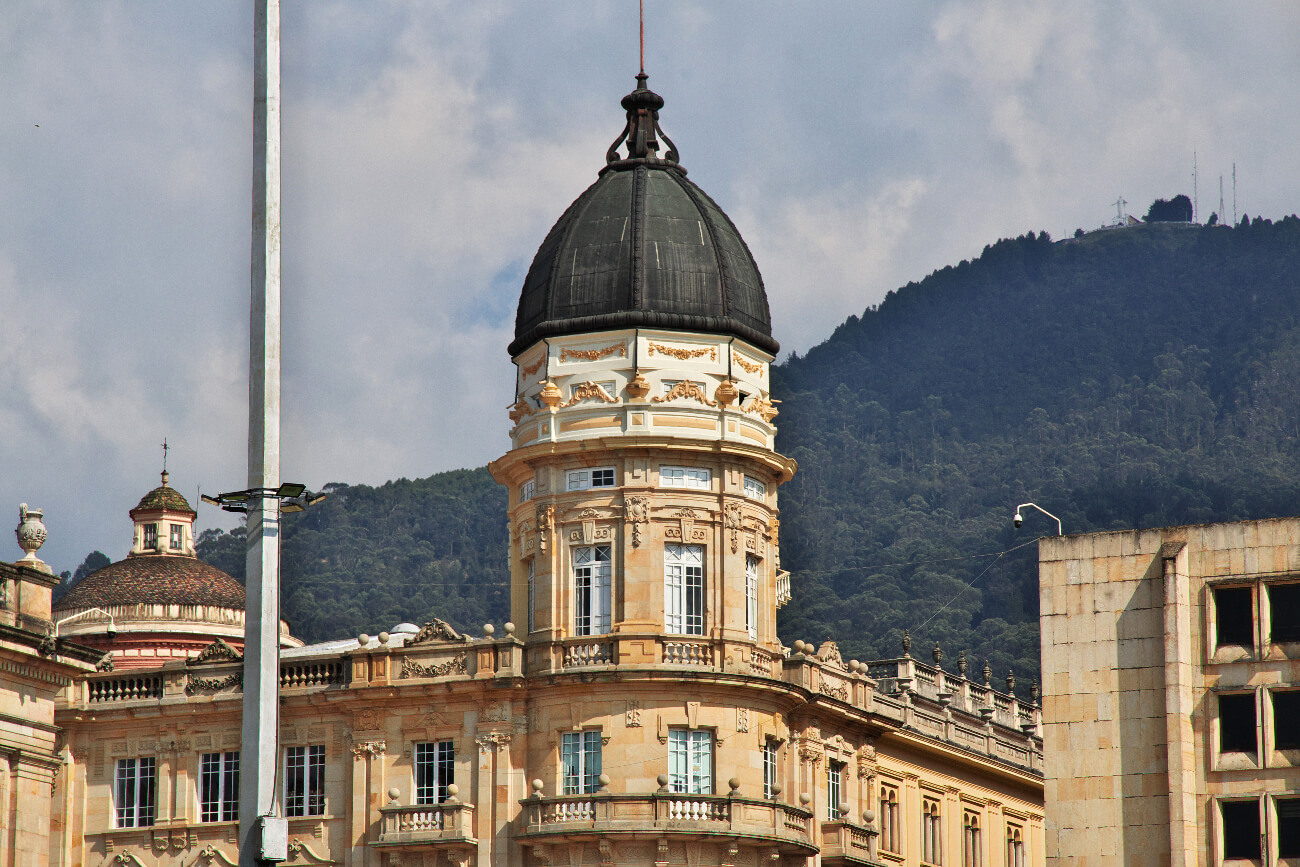
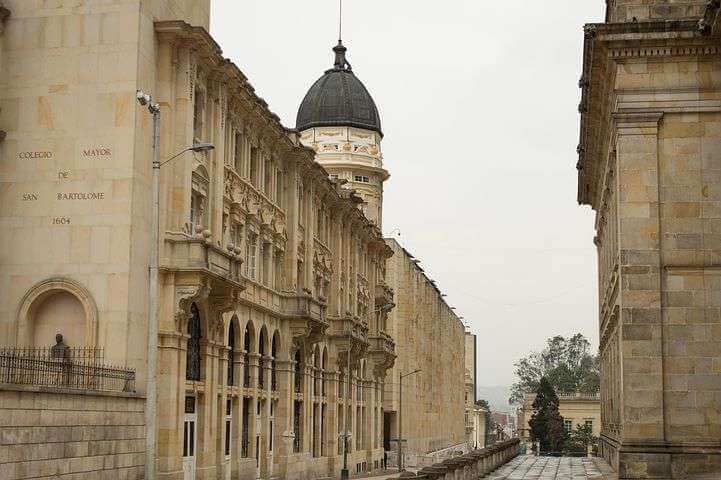
Bogata has been the capital city of the territory since 1535. It is located in the center of Colombia on a high plateau called the Bogata Savanna. Bogata is the third highest capital in South America after Quito and La Paz and is 8,660 feet above sea level. Bogata encompasses 513 square miles and is relatively cool all year round. It is the financial and commercial heart of the country and is where all branches of government sit. It is an important cultural center with many museums, universities, libraries and theatre. Its population totals almost 10 million.
Tourist Attractions in and near Bogata
The Gold Museum
Mount Monserrate
Museo Botero del Banco de la República
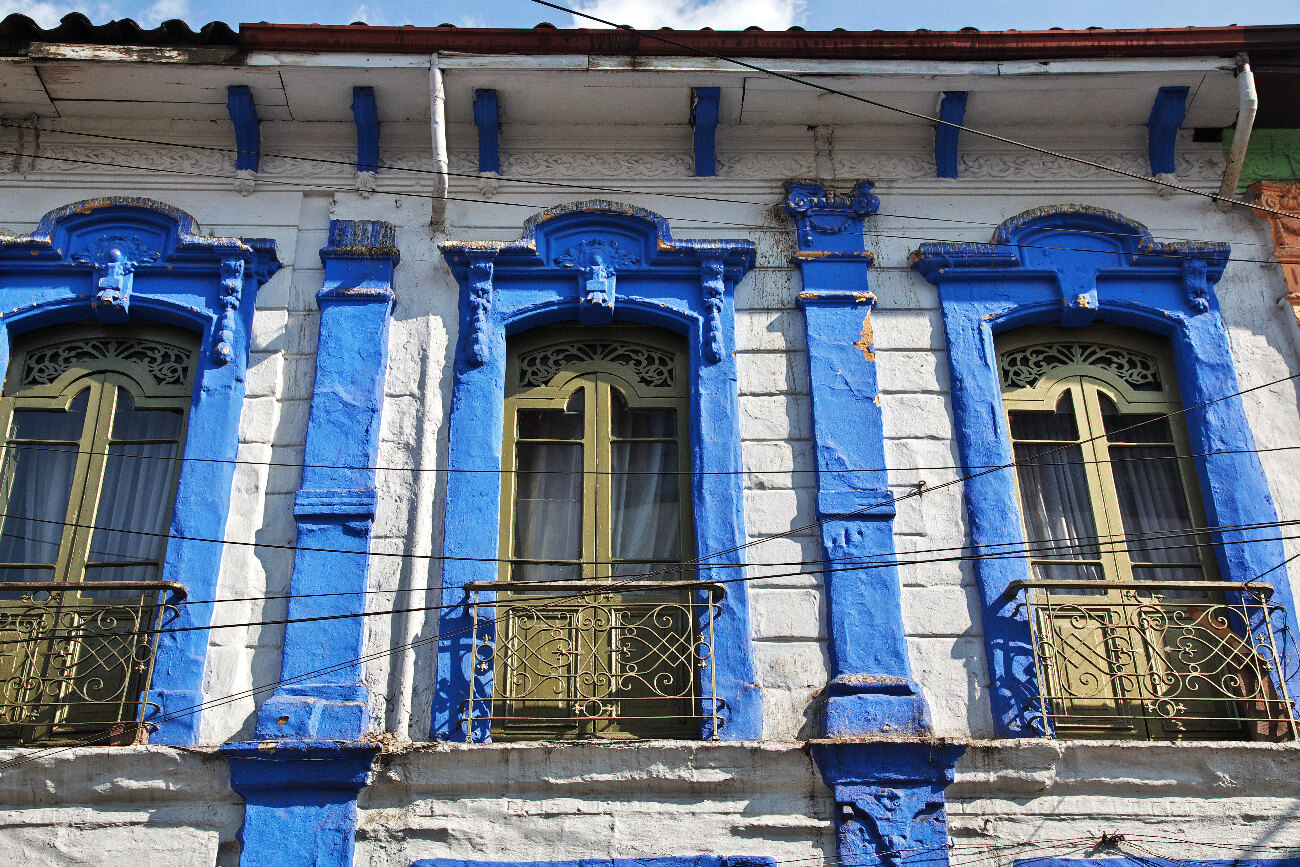
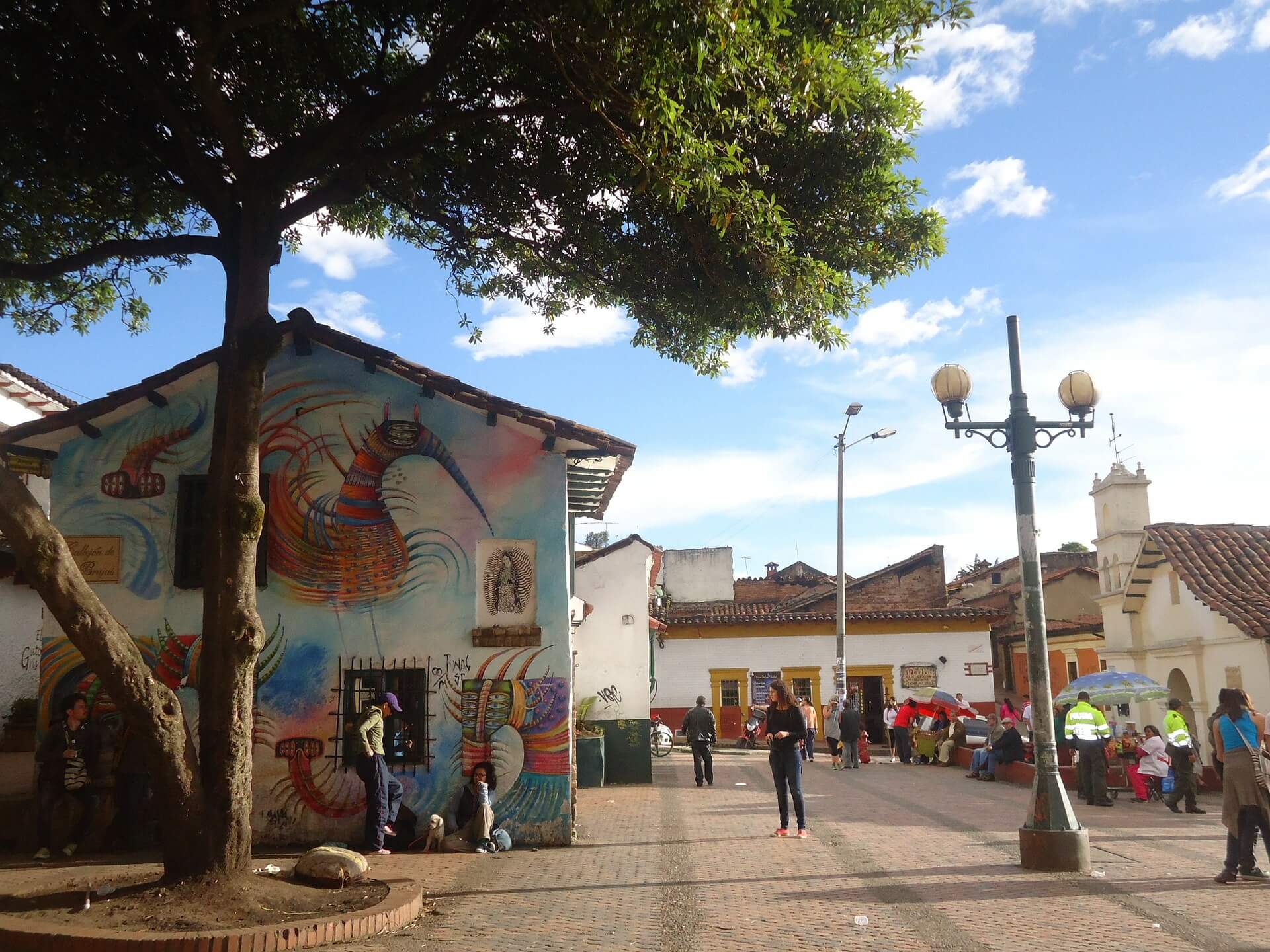
Barrio la Candelaria (The Colonial Old City)
Jardin Botanica de Bogata Jose Celestino (50 acres of unique garden)
National Museum of Colombia Parque 93 (In the heart of the city)
Santuaria de Nuestra Señora de Gudalupe (Catholic Seminary)
Climb Monserrate (Beautiful view of the city)
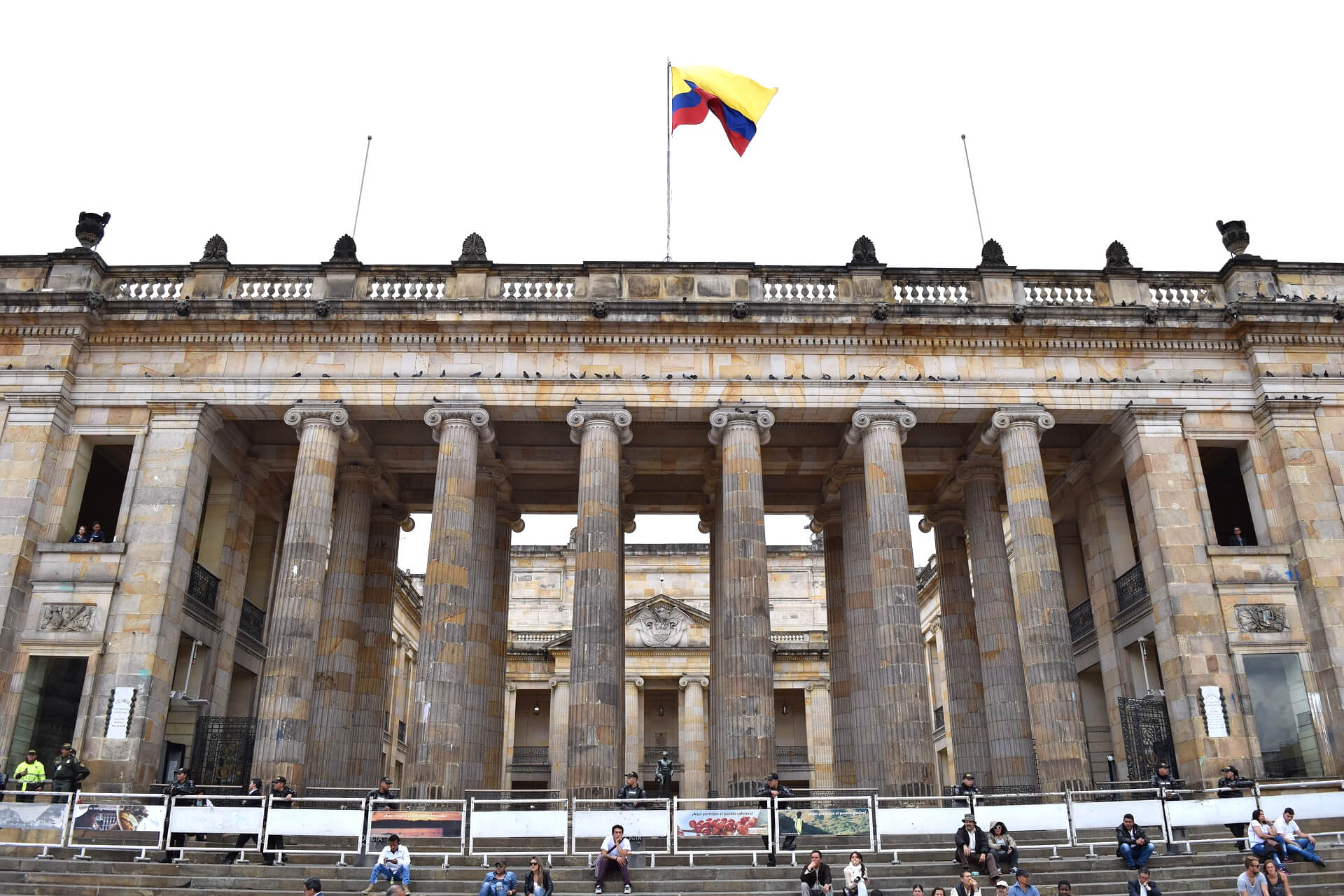
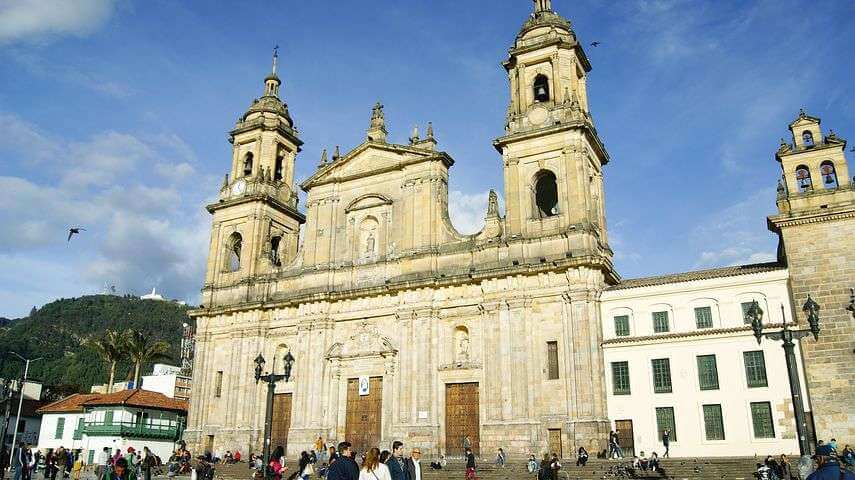
Plaza Bolivar
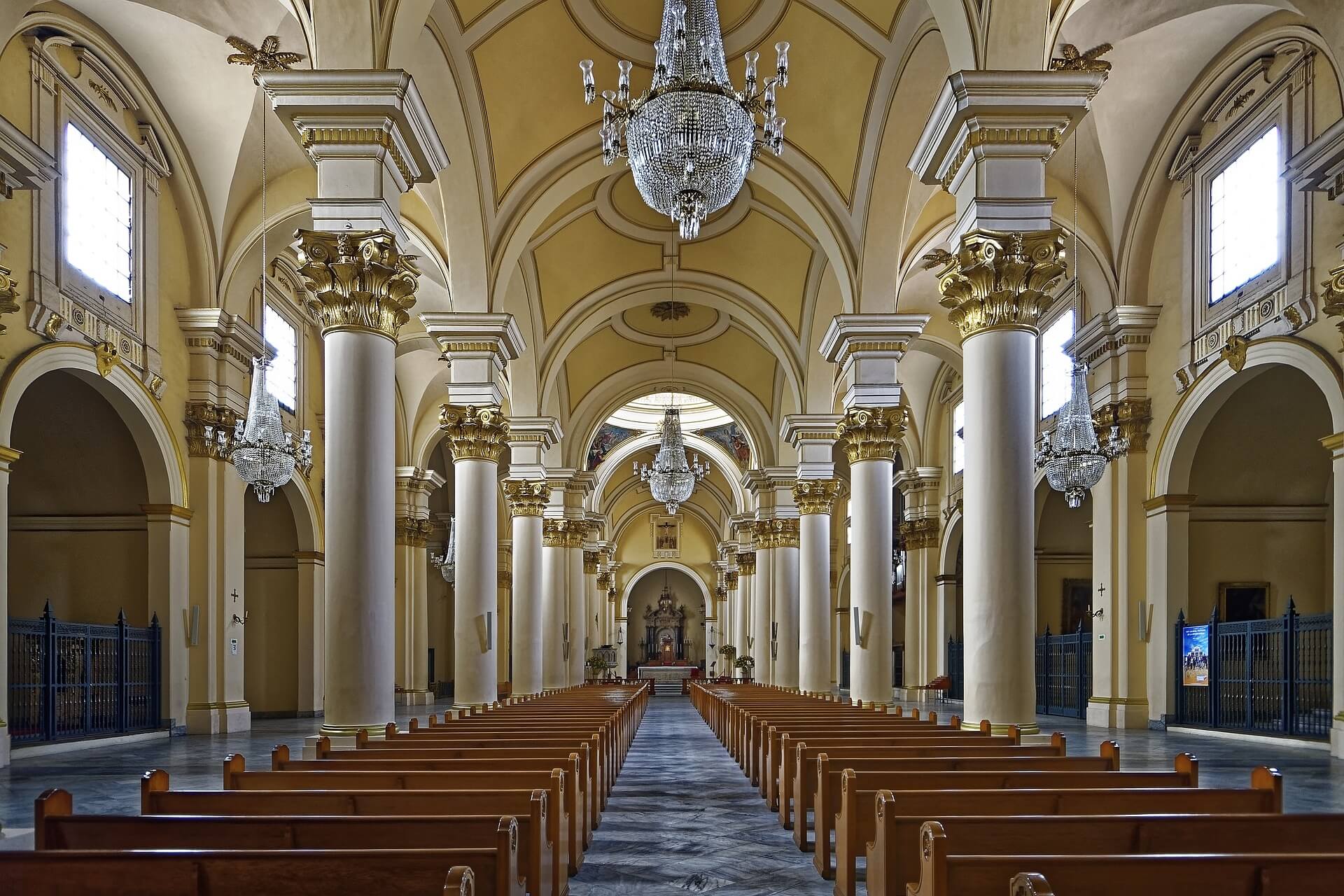
Salt Cathedral of Zipaquira (A one hour drive from the city)
Street Art Tour of the City
Villa de Leyva (day trip to a beautiful and rustic small colonial town)
City of Medellin
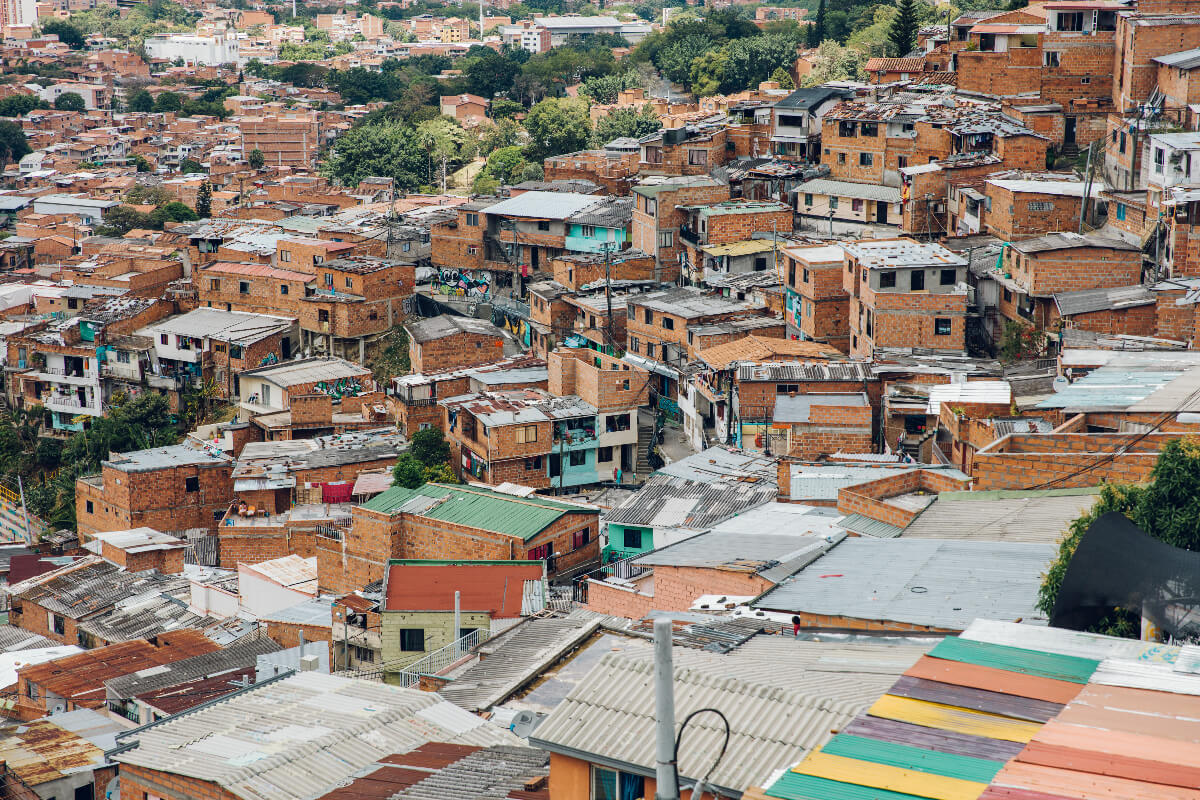
Medellin is the second largest city in Colombia with a population of 3.7 million. It is located in the Aborra Valley and founded in 1675. Once a violent city for drug trade and civil war it has become safer to visit. It is a center for culture and nightlife with universities, flower growing, trade, science and festivals, restaurants, bars, café and clubs.
Tourist Attractions in and near Medellin
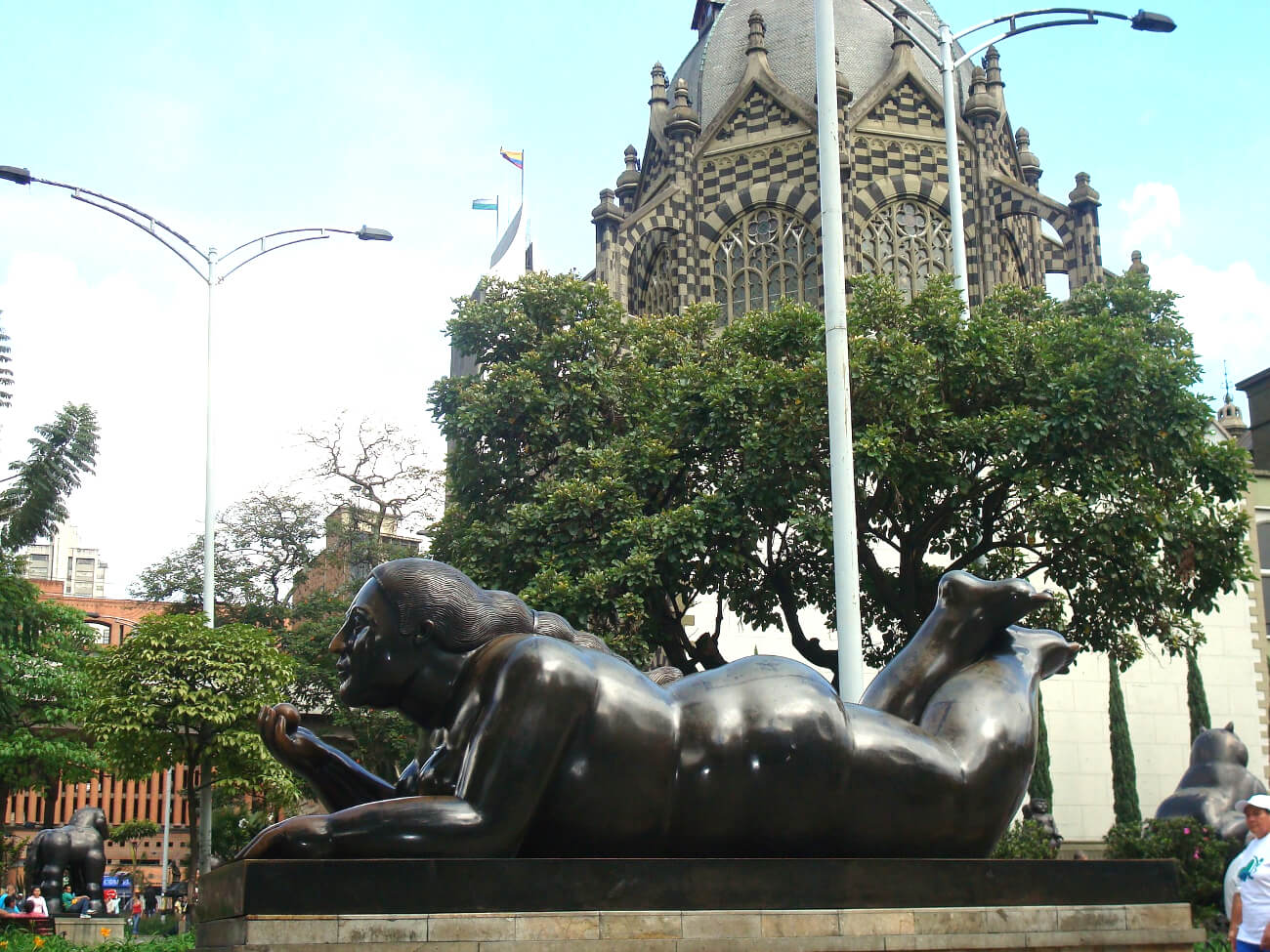
Plaza Botero (interesting artwork and sculpture)
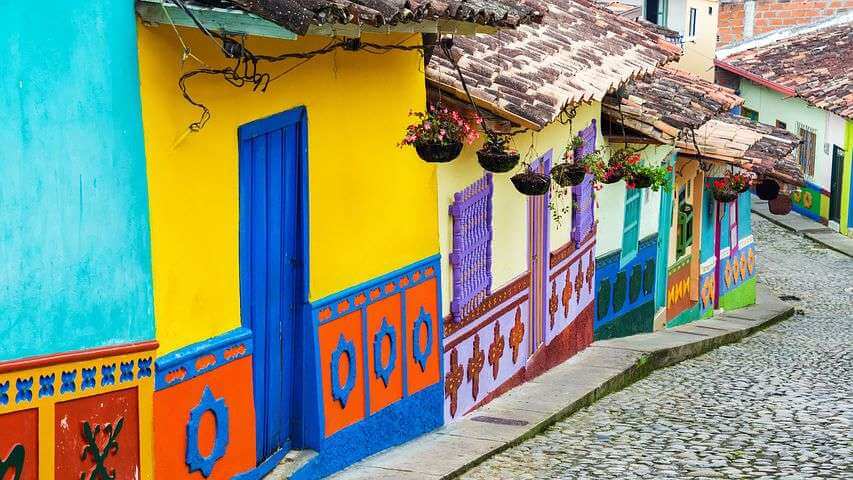
Guatare (Colonial town with the houses painted in rainbow colors-a 2 hour drive from city).
Medellin Walking Tour
Joaquin Antonio Uribe Botanical Garden
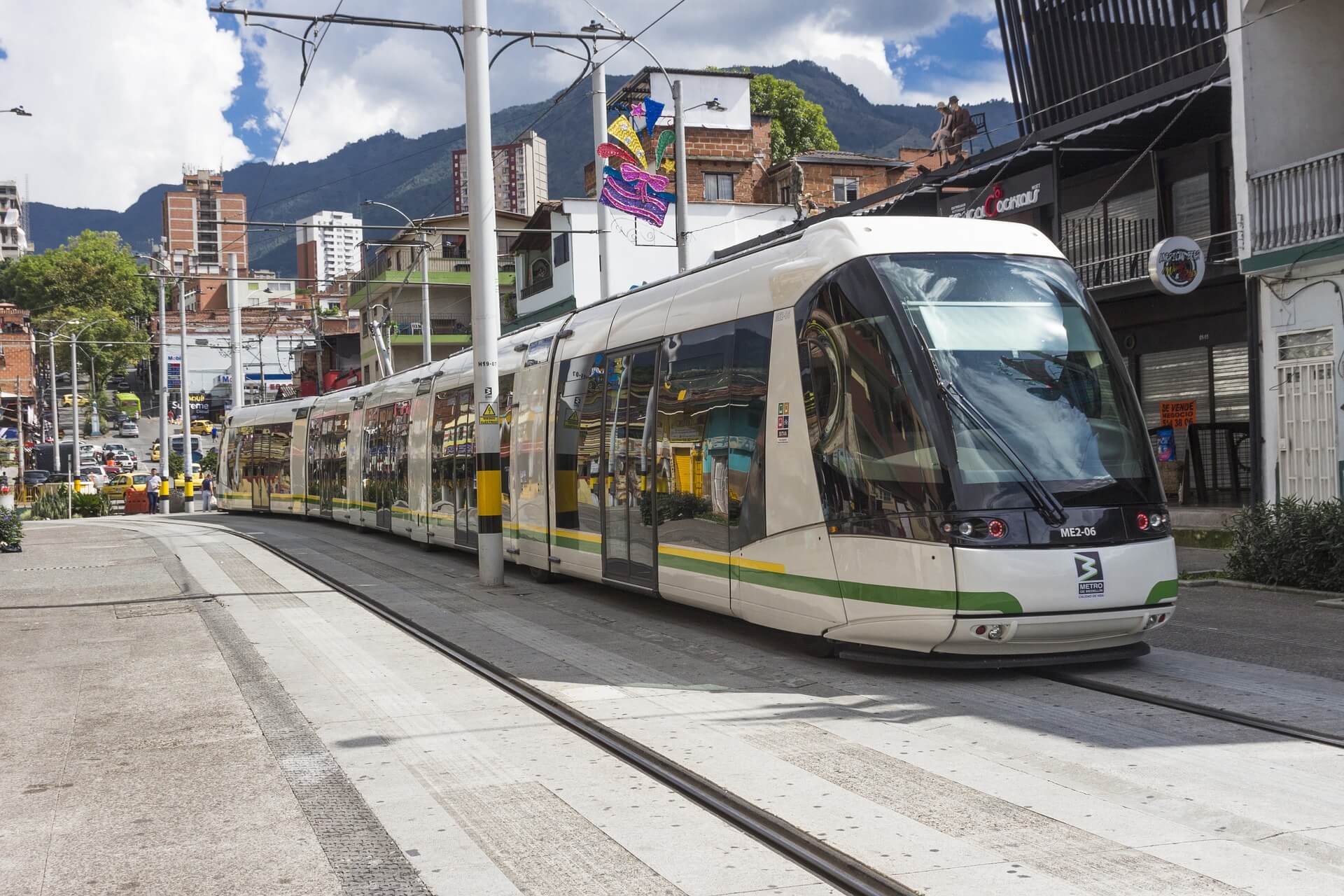
Medellin Metrocable
Laguna de Guatape (Bodies of water, a large man-made lake).
Museum Pablo Escobar
El Castillo Museo y Jardines (castle with gardens)
Museo de Antioquia
Other Tourist Attractions in Colombia
Valle de Cocora (Wax palm trees)
Ciudad Perdida (Lost city in the jungle)
Cano Cristales (beautiful colored river)
Los Nevados National Park
Santuario de las Lajas (gothic style Cathedral)
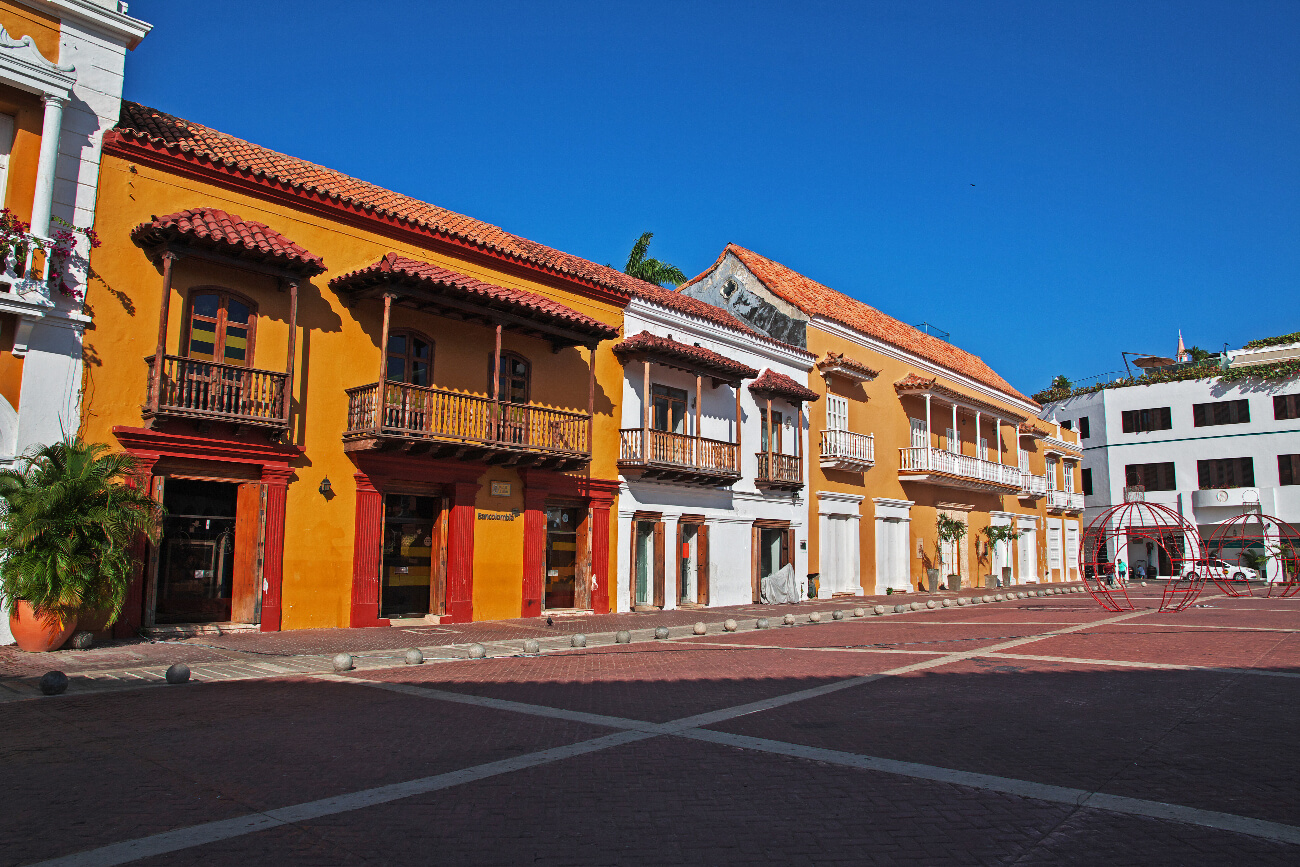
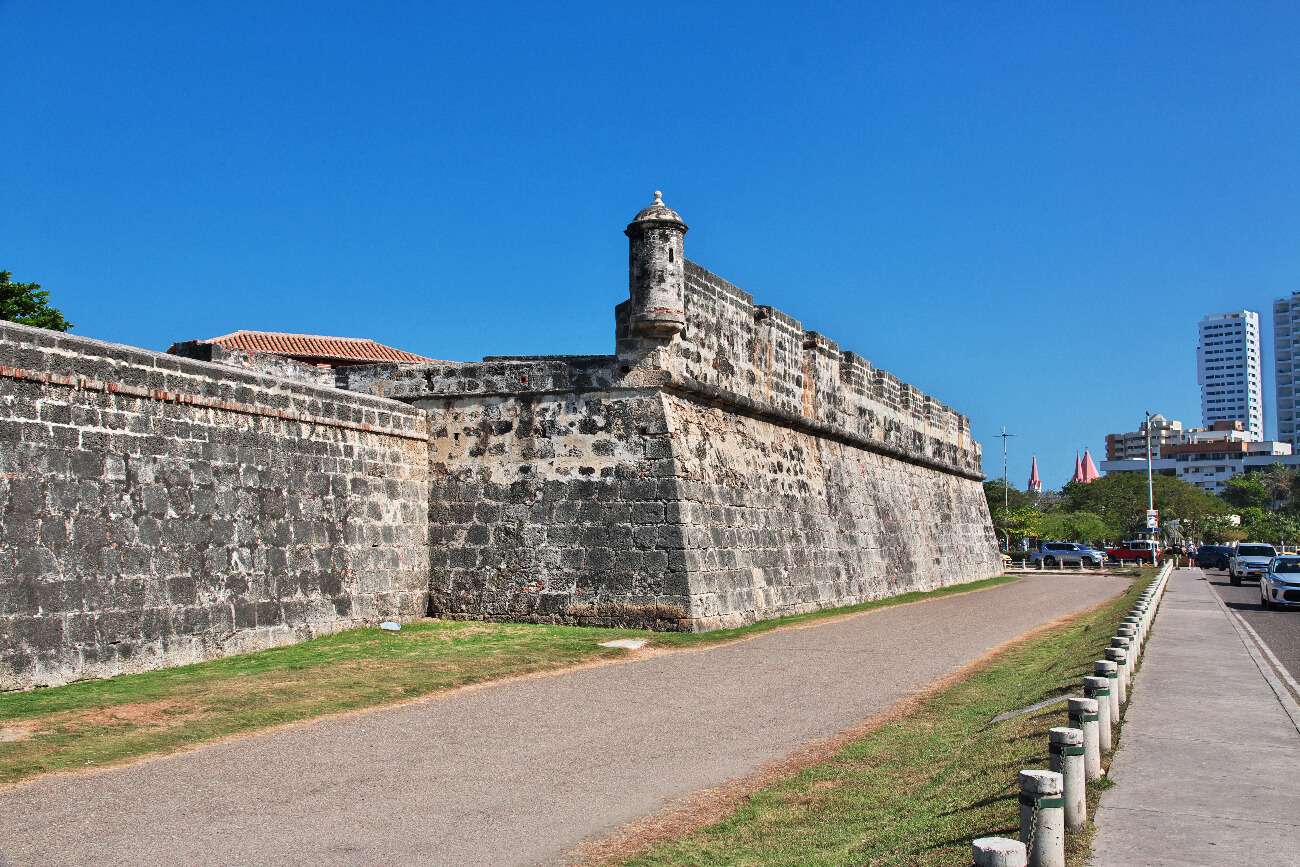
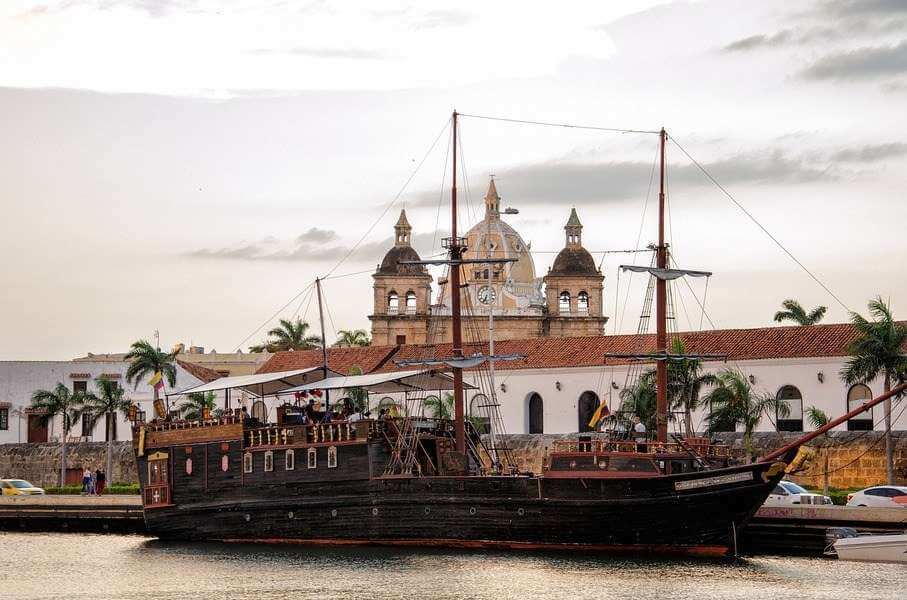
Cartagena Old Town
Tayrona National Park
No Tour Found